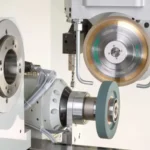
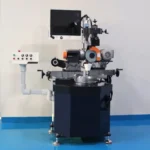
Revolutionary CNC Grinding Wheel Dresser
Transform your grinding operations with precision wheel dressing technology that delivers unmatched accuracy, reduces downtime, and maximizes productivity.


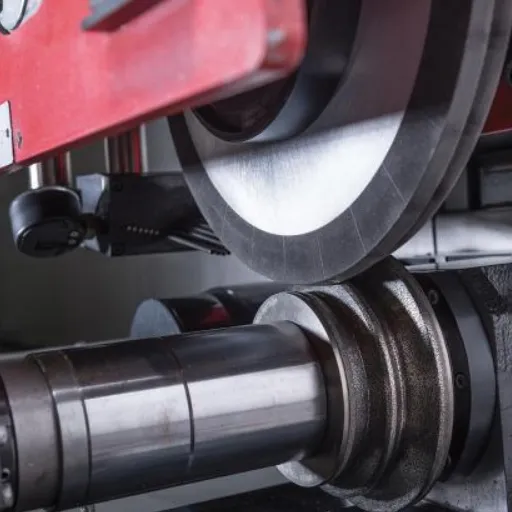
When it comes to precision and efficiency in grinding operations, the condition of grinding wheels may mean the world to a shop. Over time, the wheels become worn, glazed, and uneven, preventing it from achieving optimal performance and delivering consistent results. Truing and dressing tools observe such conditions. A well-conditioned grinding wheel performs better, as well as lasts longer, generates less waste, and increases the overall productivity of the shop. This piece looks into the importance of truing wheels with dressing tools and offers techniques and tips for keeping your grinding processes at their very best. Whether you are a professional or a workshop enthusiast, this manual will take your grinding operations one step higher.
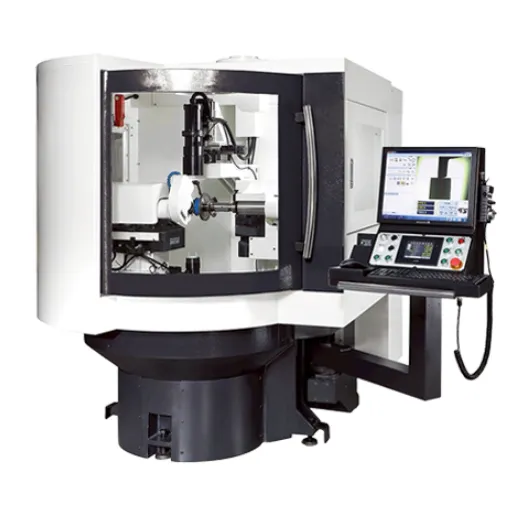
In several industry and workshop applications, grinding wheels are used to shape, sharpen, and smooth materials such as metal, wood, or glass. They consist of abrasive particles bonded into the body of a wheel, which remove the material through friction generated at high speed. The grinding work is necessary for obtaining the desired shape, finish, and dimensions during manufacture or repair. Grinding wheels can perform anything from rough machining to finishing or polishing.
A grinding wheel has its chief function in improving the machining processes regarding efficiency and quality. Such tools help operators fit into accuracy and consistency that cannot be reached by manual tools. Grinding wheels prepare closed, smooth surfaces that lessen additional finishing steps, thus saving time. They are further vital for ensuring the operational ability of equipment by assuming, with a high degree of precision, the restoration of worn-out surfaces or corrosion from knotted surfaces of equipment.
Daily sets of methods are followed to cater to these maintenance activities to uphold efficiency and safety in counter-operations. Thus, grinding wheels must be dressed and trued so that the wheel maintains its form and grab ability. Being able to cut less expensively means wasting less of the abrasive and an increase in grinding wheel life. Hence, expected downtime can be minimized by an operator as he can attend to upkeeping and can also be the grinding-time operator so that an inspection chooses the proper grinding wheel for the job and material. It is an acceptable way to ensure maximum efficiency in a grinding operation while associated risks or errors can be reduced or avoided.
Grinding performance is determined by several key factors that must be considered pertinently to obtain a good result. Below are some of the factors affecting efficiency, quality, and productivity in grinding operations.
The grinding wheel choice is paramount to performance. Many factors, including abrasive material, grit size, grade, and type of bond, determine the cutting rate, quality of finish, and wheel wear. For example:
The grinding process remains highly dependent on whether the workpiece materials are hard, tough, and possess a given conductivity for heat. Hard materials demand abrasive grains of greater durability, alongside the application of a suitable coolant that helps carry away heat generated by the grinding action, which would otherwise cause thermal damage.
Such parameters as the speed, feed rate, or depth of cut ought to be optimized for a particular operation. For instance, increasing the speed of the grinding wheel does tend to increase the rate of material removal but also results in higher heat generation that needs proper coolant consideration.
The coolant does two things during the grinding operation: it reduces the generation of heat and washes away the debris. With the right type of coolant at the right concentration and flow rate, adverse effects of overheating may be avoided, such as burn marks or thermal cracks on the workpiece.
Operators are skilled, serving as the backbone for the proper setting of the grinding machine, observation of performance, and troubleshooting of any problems that might crop up during the process. Efficient workflow management results in high productivity.
Temperature, humidity, and vibration levels within the grinding environment can affect both equipment performance and the accuracy of the operation. Stable conditions would lend themselves toward keeping the results repeatable and reliable.
The optimization of grinding processes brings with it myriad advantages that relate to efficiency and productivity. Making grinding operations more precise and efficient means that material wastage can be minimized; the speed of production can be enhanced; and quality of the resultant product can be kept uniform. Another facet that any other industrial operation faces is the cost factor: the more efficiently a process is run, the less energy and resources are consumed.
Another important consideration is an increase in the grinding machine’s lifespan. Optimization ensures that tools and accessories are utilized under favorable conditions, therefore reducing the wear and tear of machinery. Hence, fewer mechanical breakdowns occur, and maintenance costs are less, which further leads to reduced downtime, finally raising the complete efficiency of the manufacturing operation.
Lastly, fine-tuned grinding process means good-grade outputs. Better environmental control and better machine setting may give manufacturers more precise and reliable results. This, of course, will satisfy customer demands as well as raise the company’s name for good products. Hence, all are pointing towards grinding improvement as a key to efficient and sustainable production.

Truing and dressing tools ensure the efficiency and accuracy of a grinding wheel. They help to finish the cutting surface of the grinding wheel to the original profile or to take away inappropriately worn surfaces or clogging materials that would hamper grinding performance. Commonly used dressing tools include the following:
| Dressing Tool Type | Description & Applications |
|---|---|
| Single-Point Diamond Dressers | Single-point diamond dressers are probably the most common of the dressing tools. In essence, it consists of a single diamond mounted on a shank; they are indeed best suited for simple dressing applications. The very best applications involve dressing straight profiles and do precise work while also providing a very cost-effective solution with decent life. The angle and position of the dresser must be kept well-calibrated for efficient operation. |
| Multiple-Point Dressers | Keeping in mind that the multiple points may have quite a few diamond points distributed on the surface of the dresser, the wear is spread over a number of points, thereby increasing its life and reducing the frequency of replacement. Multi-point dressers are typically applied to grinding wheels of a coarser nature and in applications of a more heavy-duty sort. |
| Stationary Dressers | Stationary dressers are held fixed for the dressing operation and are popular mainly because of their simplicity and robustness. Such tools are generally cheaper and very reliable for the regular maintenance of grinding wheels. |
| Rotary Dressers | Such rotary dressers-in diamond roll type-shape being up to high-accuracy applications. Application fields demanding an intricate wheel profile include automotive and aerospace manufacturing industries. The dresser style is very fast, and with all accuracies, high volume production with consistent surface finish can be ensured. However, the price of rotary dressers is also higher vis-a-vis simpler dressing tools. |
| Electroplated Dressers | In electroplated dressers, the diamond layer is electroplated over a base material. Their use is favored because they have a good heat resistance and durability. They might be an option for special tasks where high precision and performance are highly demanded. |
The superior properties of diamond tools allow their use and application in several fields. With its extreme hardness and strength, a diamond tool can provide the utmost excellence in cutting, grinding, polishing, and drilling. In terms of advantages and application, here are a few:
Diamond is the hardest natural material. Thus, diamond tools execute cutting and polishing operations with granite, concrete, and ceramic with lethal precision. This greatly reduces tool wear making it harder and hence increasing the life of the tool, thereby making it cost-effective.
For example: Diamond saw blades give clean cuts that are consistent through reinforced concrete very crucial factor in construction projects.
Good heat conduction, ensured by diamond,s dispels heat away during use and prevents overheating and damage to the material.
Example: Suitable for working hard metals with precision, diamond wheels retain their structure even at very high temperatures.
Diamond tools provide extremely good accuracy and hence lend themselves to delicate and intricate work. Industries such as electronics, aerospace, and jewelry making resort to using diamond tools for fine detailing.
Diamond tools are used for cutting, grinding, drilling, honing, and polishing. Owing to their flexibility, their application areas cover construction, mining, electronics, and automotive industries. Their electroplated diamond drill bits make glass or thin ceramic cutting clean without damaging the material.
To an upfront higher cost, diamonds offer a longer working life along with reduced downtimes calculated toward maintenance. In the long run, these sets may prove to be a good investment for any professional.
Dressing methods are essential for sustaining the efficiency of grinding tools and hence, for the quality of machining. The two widely practiced dressing techniques are stationary dressing and rotary dressing. With some differences existing between them, each holds an edge in certain applications and circumstances.
| Technique | Characteristics | Advantages | Considerations |
|---|---|---|---|
| Stationary Dressing | The grinding wheel surface is dressed through the action of a tooling arrangement that remains fixed relative to the grinding wheel. | Readily understood and less expensive; suitable for applications that require infrequent dressing and lack of very high precision. | Cannot achieve ideal results in very complicated or mass grinding activities due to uneven wear; reduces the rate of production as machining nears completion. |
| Rotary Dressing | Relies on the use of rotating tools that make the dressing process more precise and uniform. | Guarantees a surface finish that is of better quality and less wear on the grinding wheel; suited for high-precision or very high-volume manufacturing; cheaper alternative in the long run. | More expensive investment initially; requires consideration of material type, precision level, and production requirements. |
Choosing the dressing method will depend on the type of material being processed, the level of precision needed, and production requirements as a whole. When expert knowledge is allied with new developments in dressing, the performance and quality of a contemporary grinding operation can be maximized.
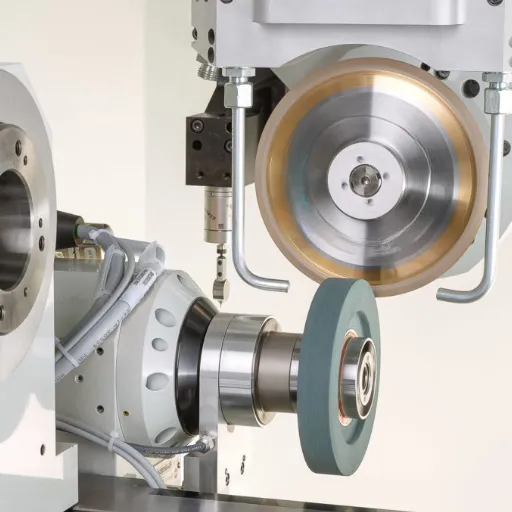
You should first assess the conditions and needs of your grinding wheel before embarking on the truing operation. During this inspection, any signs of wear, damage, or imbalance should be examined, as these factors may reduce the machine’s performance or even pose a danger. The wheel must also be mounted correctly on the spindle to be able to be truely trued. Coolant condition is also an important parameter to be considered, as improperly applied cooling can cause poor truing results due to overheating.
Then, the application of the chosen truing tool and method should be selected in relation to the grinding wheel material and the required operation precision. The choices might include diamond tools, abrasive sticks, or single-point dressers, each suited toward a particular specialty. Considering the wheel’s grit size, bonding material, and operation speed is essential to select the most efficient method to reach the correct geometry and surface finish.
There must be all the safety precautions for truing before carrying out truing: personal protection for the operator, a fairly stable work stand, adherence to manufacturer’s recommendations as far as tools and machines are concerned. Keeping watch and observing the proceedings while making the necessary adjustments will optimize outcomes, which in turn will increase grinding-wheel life and good outputs.
Proceeding with the wheel truing technique begins by first ensuring the setting of the grinding wheel and choosing the correct truing tool for the work. Confirm that the safety precautions have been observed, such as putting on the protective equipment and ensuring the work stand is firmly set. The setup must be absolutely stable to ensure that no movement occurs throughout the truing procedure.
Now comes the actual truing procedure: approximately positioning the truing tool against the grinding wheel to allow for equal contact between tool and wheel. Afterward, the tool advances very slowly into the surface to remove just a few atoms of material from it. This essentially smoothens out any irregularities so that the surface of the wheel is perfectly concentric and balanced. Mild movements in and out of the tool without exertion will lessen the chances of damaging the wheel.
After the truing of the wheel, check its surface. A well-trued wheel will portray an even look and a smooth surface. Test its performance briefly for stability and efficacy. From then on, keep regularly checking on the wheel condition and maintain it to obtain the best performance and in turn ensure a longer wheel life.
The most common mistake in any truing procedure is the application of too much pressure or the over-tightening of the tool. Such an act can cause uneven wheel wear and damage or perhaps even weaken what may have been an otherwise sound wheel. It is always wise to make fine adjustments lightly while properly balanced to lessen chances of damaging the wheel.
Roughly half the people do not honor the need for regular maintenance, which, however, is very necessary for good performance. A person who fails to clean the wheel and also fails to examine it for signs of wear and tear would experience inconsistent grinding results on account of uneven wheel wear, and finally, efficiency would suffer. Regular checking and timely truing and dressing will help make the wheel last longer and deliver consistent performance.
Not following recommended practices can cause the finish to be rough and uneven, and inconsistent balancing will further hamper the wheel’s durability. For any grinding wheel, only use truing or dressing tools designed for that particular wheel.
Avoiding these common errors will help you select the right tools and techniques for truing and dressing, and such awareness provides for efficient grinding processes and assures reliable performance and longer life of wheels.
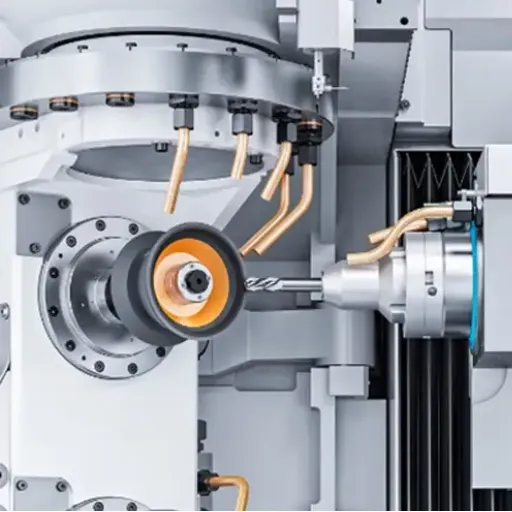
The dressing of the grinding wheel is an essential process for maintaining the wheel’s efficiency and exactness. First, any clogged material or dirt is removed from the wheel using a dressing tool meant for that purpose. Then, press the tool against the rotating wheel firmly and evenly to restore sharpness and true shape to it, taking off any irregularities on the surface so that smoothing operations can be carried out.
To ensure accuracy, the dressing tool should always be placed against the surface of the grinding wheel at the proper angle, moving slowly to keep even contact and avoid damage. The goal is to continuously move the dressing tool across the entire surface until the abrasive layer’s uniformity is achieved. The operator must never be in a hurry as applying too much pressure or handling the tool unevenly will weaken the wheel.
Finally, conducting a comprehensive visual inspection of the wheel after dressing shall ensure that it will be as close to a perfect condition as possible. A well-dressed wheel should have a smooth, uniform surface, without any build-ups or damage. Frequent dressing of the wheel encourages efficient performance and better longevity, hence, facilitating accurate and efficient grinding for your projects.
Effectiveness of dressing tools depends upon their ability to keep the surface of the grinding wheel and to restore sharpness when clogging or glazing may occur. There are diamond dressers, single-point dressers, and multi-point dressers, whereas each type suits a different application. The selection of the tool should be dependent on the wheel material and on grinding operation to yield the best solution.
Diamond dressers of the sort that are single-point or cluster are suitable where a precision dressing is required. They cut accurately and are used on hard and abrasive grinding wheels. Multi-points are more suited to rough dressing operations because their multiple points spread out the pressure resulting in lower wear of the tool. Manual dressing sticks are good for minor maintenance, which is simple and cheap to carry out.
The application of any dressing tool must be done correctly to attain maximum efficacy, with due consideration for angles, speeds, and pressure levels used. In order to give good results and not degrade the grinding process, dressing tools should be checked regularly for wear and damage. The right type of wheel dressing tool and proper usage will keep the wheel in good condition and ensure smooth operation and precision in the grinding works.
Begin by choosing a dressing tool suited to your specific grinding wheel and application needs. Different wheels require different dressing tools, so ensure compatibility to achieve optimal results. Check for recommendations in the tool’s guidelines for best use.
Make sure all levels of pressure, angles, and speeds are used as per instruction in the equipment manual. Applying too much pressure or too little pressure or deviating from the recommended settings could result in uneven wear or damage. Ensure an even, stable movement across the dressing.
Make it a routine to check the dressing tools and grinding wheels for any signs of wear or damage. Do not hesitate to replace your dressing tools as soon as you notice surface wear or performance degradation. Good dressing tools will, in turn, bring about good grinding wheels that last a little longer and help achieve precision in work.

Proper truing and dressing of grinding wheels significantly enhance grinding efficiency and overall productivity. When a grinding wheel is properly trued, it ensures that the wheel runs true to its axis, minimizing vibrations and improving surface finish. This leads to more precise cuts and reduces the risk of errors, saving both time and material. Dressing the wheel restores its abrasive surface, allowing it to cut more effectively and preventing clogging, which can otherwise slow down the grinding process.
Grinding efficiency depends on the ability to maintain the wheel’s sharpness and profile. The frequent truing and dressing of wheels reduce their downtime due to less frequent need for changes and adjustments of the wheel. This results in less resistance and faster operation of the grinding wheel as less energy is taken up by the machine. Increased productivity from operations does contribute to lowered operational costs as time advances, thus making the entire process economically feasible in both small and large plants.
With proper truing and dressing, grinding permanently ensures good performance of the operation. This extends tool life and gives good repeatability from one task to the next. This factor becomes important in high-precision manufacturing, where little loss of tool performance means a possible loss of quality in the product. In summary, it brings about the optimization of grinding operations and better workflow or cost savings.
Proper grinding methods can result in cost savings through a reduction in material waste, reduced wear on tools, and increased efficiency of the overall process. The abrasive tools, if trued and dressed properly on occasion, will be able to last longer, meaning that there will be fewer tools to be replaced as well as less downtime for the operation. This means a decrease in costs for buying replacement tools but more importantly, guarantees that the production schedules will not be put to a halt resulting in wasted money on lost production.
Uniformly following these grinding procedures also cuts down on the risks of going wrong during production processes. Correct grinding will ensure precision in every step and improve product quality; once this happens, there will be fewer costs attached to applying reworks or making compensations for the rejected product. By doing it right the first time, manufacturers cut down on needless processing time and resources, ultimately increasing profitability.
Also, investing in good techniques can reduce energy consumption, with well-maintained machinery operating efficiently. Well-maintained tools require less energy and time to perform tasks, thus resulting in decreased operational costs in the long run. Thus, if these methods are implemented and supported an organization will be able to reduce expenses both in the short as well as in the long run, making the grinding process more sustainable and cost-effective.
You may also call the long-term benefits of grinding; the investment in quality grinding appliances and tools translates to durability and performance over time. Better equipment wears out less, resulting in lower maintenance, thereby increasing production output with fewer interruptions to the working processes.
Another very important benefit is cost savings. Despite the initial capital expenditure for these sophisticated tools, a reduction in repair and replacement costs will effectively repay this investment in the long run. Also, since these are tools that run more efficiently, less energy is consumed, thereby reducing operational costs and further supporting sustainable actions.
Optimization in grinding operations leads to optimal product quality and uniformity. The precise control of operations ensures repeatable results, which fulfills customer expectations and enhances the reputation of the fine coater. Consistent high quality in output can lead to repeat customers and long-term growth, foreseeing the fine coater toward greater success in competitive markets.
To optimize grinding processes, uses proper truing and dressing tools to restore the wheel shape and sharpness, which ensures general improvement in the grinding operation process. It exposes fresh abrasive grains and thereby strengthens the cutting ability of the grinding wheel.
Dressing brings about improved grinding performance through its action of removing the dulled grains from the grinding wheel and exposing fresh abrasive grains; these freshly exposed abrasive surfaces enhance the cutting operation and maintain the performance of the grinding wheel for grinding applications.
The general factors calling for the wheel to be trued might include uneven wear, vibrations while grinding, and a sudden lowering in cutting ability. When the wheel appears loaded or has a glazed look, maintenance of the wheel is required to bring it back to its original sharpness.
Truing is in fact, aimed at returning the wheel of grinding to the correct shape and its concentricity so that the grinding wheel has an effective operation. Truing caters to precision grinding in maintaining dimensional accuracy on the workpiece and improves the surface finish.
Different kinds of dressing tools and means are available, such as single-point dressers, diamond dressers, and rotary dressers. Each serves to restore the wheel shape while also conserving the wheel life by maintaining optimum cutting performance.
Selecting the right wheel type becomes imperative to bring about the best grinding and removal of materials from the surface. It has to be specified for this particular grinding application to yield a suitable removal rate, lower wheel loading, and better surface texture, and in general, efficiency.
Generally, it is dependent on the grinding conditions and the frequency of use. Dressing and truing will maintain the sharpness of the surface of the wheel, prevent loading, and provide consistent performance over time.
Wheel truing and dressing have a direct relation to the cutting action of the wheel and wheel loading; hence, any neglect may reduce grinding efficiency and impart a poor surface finish. With time, the abrasive grains are loaded and dulled, hindering the nature of the grinding action and causing defects in the workpieces.
Yes, dressing tools can and should be used on new grinding wheels. An initial dressing exposes fresh abrasive grains and ensures that the wheel performs optimally right from the beginning, thus greatly reducing the grinding performance during early stages of use.