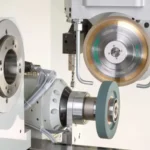
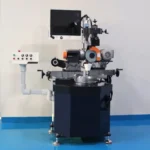
Revolutionary CNC Grinding Wheel Dresser
Transform your grinding operations with precision wheel dressing technology that delivers unmatched accuracy, reduces downtime, and maximizes productivity.


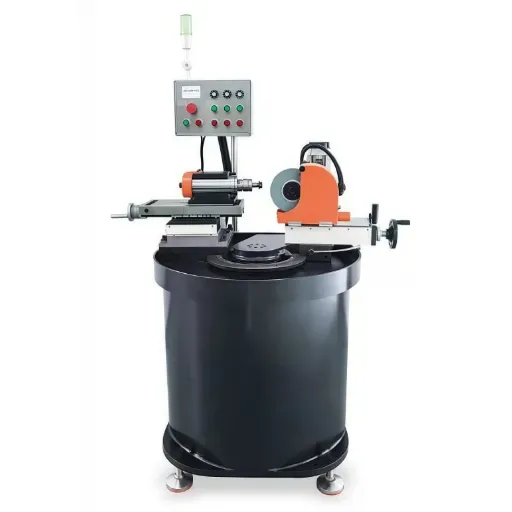
When discussing precision machining and tool-making operations, grinding becomes paramount to the end product. The grinding wheel must be well dressed to obtain consistent finishes with high quality while also maintaining the wheel and machine. Then enter the CNC grinding wheel dressing machine! Industries that require accuracy, efficiency, and repeatability will benefit from this beauty. This article briefs you on the importance of CNC grinding wheel dressing machines, how they maximize grinding processes, and how they ultimately benefit manufacturing operations. Whether your goals are improving speed or cutting tooling costs, an understanding of this emerging technology is what keeps you ahead in this competitive industrial environment.
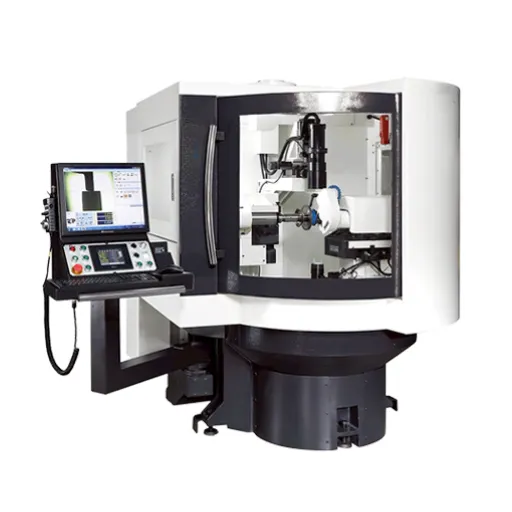
A wheel dressing machine is the specialized equipage used to service or prepare grinding wheel surfaces during industrial grinding operations. Once in a while, grinding wheels get glazed or loaded with contaminants or lose shape, thus losing their cutting ability. Wheel dressing machines dress the wheels by cutting away worn or damaged material from the wheel so that the wheel maintains its proper form and functionality.
The main purpose of the wheel dressing machine is the maintenance and enhancement of grinding wheels to optimize their cutting ability and life span. The wheel dressing machine ensures that the wheels retain their correct profiles and are sharp enough to perform grindings fairly and consistently. This is important for industries that require extremes in precision, such as automotive, aerospace, and tool making.
These machines lessen downtime and increase their output. With all performance parameters maintained during production, the wheel dressing machines provide uninterrupted workflow and cost savings after regular dressing. They form the basis for precision and efficiency in the modern manufacturing environment.
Dressing becomes a vital operation that guarantees the grinding wheels’ best performance and accuracy in CNC grinding. With time, the grinding wheels get loaded with material, become blunt, or develop uneven surfaces that directly degrade the quality and accuracy of the machining operations. Dressing consists of reshaping the wheel, unclogging its pores, and restoring its cutting ability, thus keeping together the astute precision required in fields such as aerospace, automotive, and medical manufacturing.
Industry Insight: According to an industry report, a wheel that is not properly maintained may lose up to 30% in productivity. An improperly dressed wheel could lead to incidents of burning, abnormal vibration, chatter marks, or dimensional inaccuracies, which escalate prices due to scrapping of parts or reworking.
So, wheels that are kept optimally dressed increase the quality of products and, therefore, increase the lifespan of wheels, which, in turn, decreases the replacement cost.
The latest technology has introduced CNC-controlled dressers and diamond dressers into wheel dressing: Such dressers are the means by which dressing may be performed in a more precise and automated manner, with repeatable results.
In the end, the importance of wheel dressing in CNC grinding practically cannot be overstated. It is a basic process on which the economical, accurate, and successful functioning of precision manufacturing operations depends.
In the last few decades, the CNC grinding wheel technology has developed leaps and bounds to offer precision and efficiency for the ever-demanding manufacturing world. At its base, the technology achieves a much more intricate shaping and finishing of hard materials than the traditional methods. Therefore, CNC systems ensure repeatability of processes, which allows manufacturers to procure the same impeccable parts devoid of any variations. This trust offers most complexities to those industries engaged in aerospace, automotive, or medical device building, where precision is something that cannot be compromised.
Adaptability is amongst the most notable properties of CNC grinding wheel technology. The systems work on a whole series of materials, from metals to ceramics to composites. They use several grinding techniques, including surface grinding, cylindrical grinding, and profile grinding. Operators can program wheel motions, feed movements, and wheel pressures for finish and dimensional specifications. Automated wheel dressing may also enhance precision by maintaining the wheel profile and cutting action during production cycles.
CNC grinding wheel technology also offers advantages in terms of productivity and cost efficiency. Such a system allows for automated functions to take place, with machines able to run for long hours without downtime and human interference. Advanced sensors and control algorithms also help reduce waste of material by ensuring cuts are made with very little error. CNC grinding wheel technology has therefore made a huge difference in the way precision manufacturing is done today: faster, more reliable, and easily able to accommodate the production of complex designs.

Manual and CNC systems are intended to serve different purposes in the grinding process, with particular pros and cons for each distinction. Manual wheel dressers use the operator’s skill or precision to accomplish, shape, and maintain the grinding wheel. These types of tool are handy for simple applications or smaller shops where cost-effectiveness matters. They rather lack the level of precision and reliability that comes along with high-volume or more complicated production runs.
By way of contrast, CNC wheel dressers employ some form of computerized control system to automate the wheel dressing process, thus affording the highest possible accuracy and repeatability. The devices come into their own when precise grinding of intricate parts is needed in aerospace, medical, or automotive industries, among others. Tolerances achievable by CNC wheel dressers usually lie at about ±0.001 mm, thereby dramatically decreasing the amount of waste materials and errors during production, per the latest industry data. Meanwhile, the integration of sensors and AI in modern CNC systems permits real-time monitoring and corrective actions, further bolstering productivity and operational efficiency.
Key Statistic: It is seen from studies that although manual wheel dressers serve the little scale operations well due to their cost-effectiveness, CNC wheel dressers constitute approximately 70% of usage in the high-precision manufacturing setting as they are best able to work with complex geometries and faster cycle times.
Hence, deciding about the types of dresser to use depends largely on the particular manufacturing requirements, production scale, and money available with the operation.
Diamond and CBN grinding wheels are two of the major sorts of abrasive tools with a variety of applications in manufacturing, aerospace, and automotive. While both can be considered high-performance grinding tools, they are meant for very different applications due to the specific properties and strengths of each.
A diamond grinding wheel is normally used to grind hard nonferrous materials such as ceramics, glass, carbide, and composites. Diamonds being the hardest type of material in nature thus make their grinding wheels highly durable and able to promptly cut and grind with high precision. For instance, one of the frequent usages of diamond wheels in the amply precise tool and die industry is to shape carbide inserts.
According to the latest data, diamond wheels offer:
On the other hand, the CBN grinding wheels are those used for ferrous grinding: steel, cast iron, and other metals of very high tensile strength. CBN is nearly as hard as diamond but far more thermally and chemically stable against metal work. It is the preferred abrasive when very close tolerances have to be held on hard steels or tool steels being ground at high speed.
Key data on CBN grinding wheels include:
| Feature | Diamond Wheels | CBN Grinding Wheels |
|---|---|---|
| Primary Material Type | Non-ferrous materials (ceramics, glass, carbide, composites) | Ferrous materials (steel, cast iron, high tensile strength metals) |
| Hardness | Approximately 10 on Mohs scale (hardest) | Just below diamond in hardness |
| Thermal Stability | Lower grinding temperatures to avoid thermal damage | Better thermal stability, handles high grinding temperatures |
| Best Applications | Tool and die industry, carbide inserts shaping | Hardened steels, HSS tool steels at high speed |
| Cost | More expensive due to synthetic or natural diamonds | Capital-intensive, varies by specification |
| Tool Life | High durability due to extreme hardness | Extended sharpness retention, less downtime for replacements |
Basically, the decision between diamond and CBN wheels has often been by virtue of the material to be ground. Diamond wheels are best for non-ferrous work, while CBN wheels are mostly used for ferrous material grinding. CBN wheels are better at handling the high grinding temperature of metals, extending the tool lifetimes and preventing thermal damage. Price-wise, both of the wheels are very capital-intensive depending upon how they are specifically manufactured and to what specification the wheel is made.
Variable speed wheel dressers are tools meant to dress grinding wheels for the best possible shape and sharpness, and thus efficiency and consistency in machining operations. Offering enhanced flexibility compared to variable speed systems, variable speed wheel dressers can be selected according to the speed dependent upon the grinding application and material requirements. In this way, a variable speed dresser enhances accuracy and wheel life.
The future of the variable speed grinder dresser lies in smart tech and higher efficiency. For instance, recent sources indicate that latest variable speed dressers have incorporated digital controllers so one can pre-set speeds for specific wheel types, thereby cutting down on setup time and human error. They have also automated the dressing cycles in order to boost productivity and consistency when working on demanding operations.
Performance Benefits: Industry experts note that variable speed wheel dressers, being more exact, reduce dressing time by as much as 30% compared to conventional systems and keep abrasive material wastage down. This positions them as the preferred choice in industries—including aerospace, automotive, and tool-making—where precision and cost are critical factors.
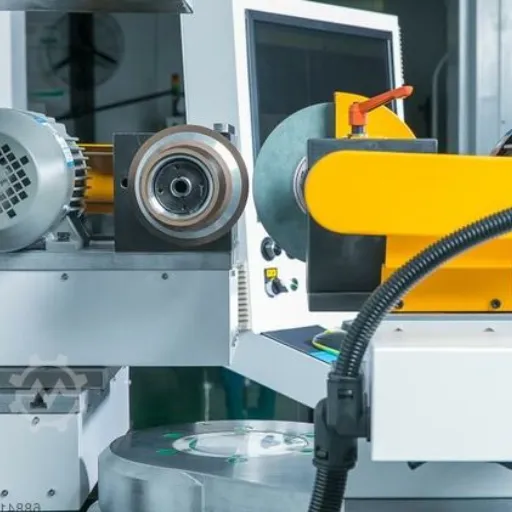
Truing and dressing of grinding wheels are very important processes performed to maintain the wheel’s efficiency and accuracy during machining operations. Truing ensures that the grinding wheel is perfectly concentric and smooth by eliminating runouts as caused by uneven wear or imperfections during manufacture. Dressing restores the cutting surface of the wheel by removing embedded debris, redeveloping sharp abrasive edges, and maintaining the intended wheel profile.
Truing is usually done with a diamond-tipped tool; this tool skims off a thin layer of material from the grinding wheel surface to restore its proper geometry. Present-day CNC grinding wheel dressing machines rely on automation to carry through the truing process at the highest precision; using this system, operators can simply input the parameters along with speed and depth of cut. Some reports indicate that due to auto-truing, downtime has been cut down by 25% compared to manual truing, and wheel life was increased due to uniform wear.
Dressing exposes abrasive grains and sharpens the wheel surface for optimum cutting conditions. It must be done when dealing with hardened alloys and high-precision component materials, ensuring that the dressed wheel achieves quality finishes with minimum defects. Research shows that a better dressing system with controlled variable speed would optimize the use of abrasives and reduce waste of materials by 40%.
Thus, in combination with truing, the CNC grooming engine becomes an unparalleled productivity tool to provide great precision for the aerospace, medical device, and automotive engineering industries where demand is sky-high. The working principle is based on varying wheel conditions, sensors, and real-time monitoring to extract maximum efficiency and performance.
The CNC grinding wheel dressing process consists of a few major steps to maintain the geometry and surface condition of the wheel, allowing it to cut more efficiently. This process is performed with great accuracy and consistency, as demand from the aerospace and automotive industries requires this. An overview of the process flow is given below:
The entire process is realized with the help of CNC controls, which help lower operation costs while guaranteeing the repeatability of operations. Real-time data from integrated sensors optimize the machine’s operation toward getting the best performance from the wheels, thereby cutting down on waste and prolonging the wheel’s life. This is certainly a much-needed revolution in automation and precision for any industry favoring deliverance of quality.
This flow must be adopted in order to increase productivity, consume less material, and reduce downtime, representing an essential practice for manufacturers dealing with intricate and precise components.
The CNC dressing machine consists of many key components designed to achieve precision and maintenance of grinding wheels. These components work together to accomplish the automated dressing process to ensure optimal manufacturability.
Both these components make CNC grinding wheel dressing machine one of the most important workshop tools for the modern industry that depends heavily on fine and correct grinding processes. Combine automated control with high-precision tools and effective position systems to enable the manufacturers to produce better results, minimize waste, and enhance tool life.

The CNC dressing machines for grinding wheels play an important role in making components that are precisely finished in the automotive manufacturing industry. With these machines, grinding wheels keep their shape and sharpness to permit machining to form smooth finishes on the surface. It is these finishes that are required for engineering accurate automotive parts like engine components, transmission gears, and braking systems in tight tolerance and durability.
The automatic dressing of the grinding wheel allows for a reduction in downtime, thus increasing production efficiency. With an automated control system, grinding wheels can be kept track of for wear and adjusted accordingly, fewer materials being wasted and increased life on both the grinding wheel and the machine parts made. This promotes a cost-effective manufacture and an improved quality product.
The grinding wheel-dressing machines in an automotive CNC setup also help meet the harsh safety and performance standards of the automotive sector. Due to dependable and consistent grinding results, manufacturers can produce components conforming to strict industry regulations, ensuring safety and durability in vehicles. So these machines have to be there in automotive production for further creation of accuracy and consistency.
For the aerospace components, this production has to have the highest degree of precision, reliability, and resilience because severe life and safety requirements are designed into these components. This production of aerospace components enables impeccable finish to be imparted with tool performance consistency on complicated parts by means of grinding wheel-dressing machines. The aerospace components require adherence to tolerances so exact that they can take up the conditions of extreme extremes and stresses experienced in aerospace applications.
From the perspective of the highest precision, grinding is very necessary for the final manufacturing of engine parts, turbine blades, and other critical components. When any one of these component parts should fail, it might be disastrous for the aircraft as a whole; hence utmost consistency and accuracy become the order of the day. Grinding wheel-dressing machines will therefore augment the process by sharpness maintenance of grinding tools, engender wear on grinding tools, and saving defects on finish work.
Concurrently, they work to promote cost efficiency by curtailing downtime in production and frequency of taking tools for replacement. By providing trustworthy results, grinding wheel-dressing machines ensure the smooth production of aerospace components while adhering to very strict regulatory requirements. This ensures the operational excellence and safety and reliability of the aircraft systems.
Tool and die manufacturing serves the making of components with very high precision, which are finally used for aerospace, automotive, and consumer goods industries. This discipline involves creating different tools, dies, molds, and fixtures used to shape, cut, and form materials during mass production. The process requires skills in design, engineering, and materials science to meet exacting specifications and ensure product consistency.
One important feature of tool and die manufacturing is the focus on precision and durability. Tooling and dies are required to withstand extreme conditions such as being subjected to high pressure or repetitive use without wear. For this, various materials, e.g., hardened steels, must be considered, and certain advanced manufacturing processes must be applied, which may include CNC milling, wire EDM, or heat treatment. Because these measures are applied, the tools and dies remain intact and perform well throughout their useful life.
The capacity of tool and die manufacturing is changing according to the technological advancement. The use of CAD and CAM has helped in improving the precision and efficiency to an extent, while developing complex dies and tools. Automation and robotics are employed to facilitate fast production and cut down on human errors. Thus, these developments help in the better making of tools and dies and of highly reliable products for varied uses.
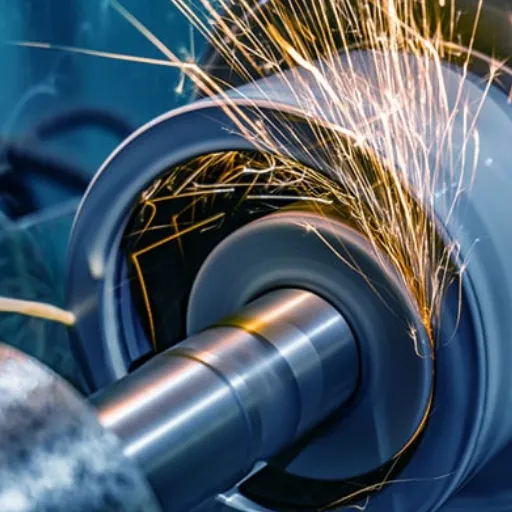
Uneven wear and glazing on the grinding wheel surface are some of the more common problems with grinding wheel dressing. This happens when the grinding wheel becomes clogged with material and lost cutting efficiency; hence, poor finish output is obtained. In order to avoid this, the grinding wheel must be frequently and properly dressed so that it remains sharp and performs adequately.
Another is excessive tool wear caused by the dressing process. Dressing tools, like diamond dressers, could wear down very quickly if exercised improperly or under too much pressure. By following the proper dressing technique and using the appropriate amount of pressure, the dresser’s life can be prolonged and will also help achieve better results overall. It is also very important to inspect the dressing tool regularly in order to spot wear at an early stage.
Maintaining correct wheel profiles and balances can come in as quite an issue. Inaccuracies and vibrations in the grinding process could well be the results of wheels being improperly dressed—an undesirable effect on the final product. As a solution, precision dressing techniques must be employed, together with tools capable of giving an accurate and balanced wheel profile. Making sure operators are well trained in this regard and observe best practices goes a long way toward avoiding such undesirable conditions and eventually solve issues of grinding.
Advanced automatic systems stand as one of the best remedies for wheel dressing problems. These systems use sensors and methods with precise guidance so that consistent dressing of grinding wheels may be obtained. Besides being efficient and diminishing the risk of damage to the wheels during dressing, automation minimizes any human error in the process. Facilities using these technologies can then benefit from a consistent and repeatable grinding operation.
Yet another practical means of overcoming dressing difficulties lies in integrating high-quality dressing tools for specific applications. Diamond or other harder materials used in making dressing tools assure durability and precision. Dressing tools made from a material that is correctly matched with the grinding wheel should ensure a smooth dressing process that maintains its adequate balance and profile for efficient grinding. Regular checking of these tools will also decrease wear and ensure them to perform at their optimum.
The last and most important step in operator training must be fulfilled. If operators will be skilled in the dressing techniques, they will not encounter many problems in issues of dressing. Training should be geared towards the correct usage of equipment; upon recognizing wear indicators, maintenance of tools should be relied upon as the best method of handling. With the potential blend of technology with quality tools and skills, facility owners will be able to put aside issues of wheel dressing and work towards safeguarding their grinding applications.
The future trends in wheel dressing technology are undoubtedly geared toward automation and precision. Much more advanced machines and robotic systems are being developed to simplify the dressing process, minimizing human intervention while working towards increased level of repeatability and accuracy. Less time spent for dressing and more grinding performance with longer tool life are obviously the results of automation and fewer errors.
An important trend is, however, the incorporation of smartness. With the onset of IIoT, more and more wheel dressing equipment integrates sensors and monitoring systems. These systems and sensors collect real-time data, accordingly facilitating predictive maintenance or improving wheel dressing. By tracking wear and performance parameters, operators will be able to make decisions to avoid failures and ensure continued working operations.
The question of sustainability is opening another door to the future of wheel dressing. Manufacturers and facility managers are now working toward environmentally friendly practices, including reducing waste and recycling worn materials. Recently, abrasive materials and tool designs have been revised to be more durable and efficient, thus further diminishing environmental impact. This shift to greener and more cost-effective grinding also encompasses this evolution.
Wheel Dressing Machine – ZYsuperhard – Provides details on the functionality and applications of wheel dressing machines, including diamond and CBN wheels.
New Wheel Dressing Machines – Discusses the design and purpose of wheel truing and dressing machines for various wheel types.
Diamond & CNC Wheel Dressing Machines – PR-X5, PR-X3 – Highlights advanced CNC wheel dressing machines for precise shaping and dressing of grinding wheels.
Applications Served – Rush Machinery – Explains the use of wheel truing and dressing machines in industries like automotive, aerospace, and medical manufacturing.
The Application of Wheel Truing and Dressing Machine – Focuses on the role of these machines in precision grinding for molds and dies, relevant to automotive manufacturing.