Revolutionary CNC Grinding Wheel Dresser
Transform your grinding operations with precision wheel dressing technology that delivers unmatched accuracy, reduces downtime, and maximizes productivity.


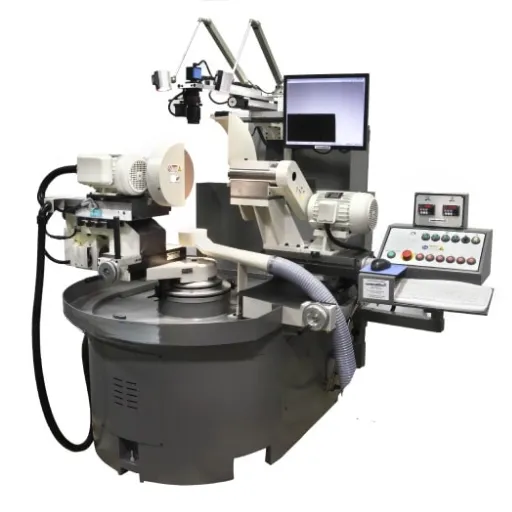
Grinding wheels are necessary implements in the production and machining field, however, their performance and accuracy maintenance are as important as usage. Wheel dressing machines and grinding wheel dressers are the solutions to this problem. No matter if you are a professional machinist or just a curious beginner, this guide aims to make the world of dressing tools and their applications less mysterious. You will understand that the maintenance of grinding wheels through dressing is crucial for their life extension, increase of efficiency and provision of excellent results in every project. It will be clear to you, by the conclusion of this article, the basics of wheel dressing machines and their importance as professional tools in the art of grinding.
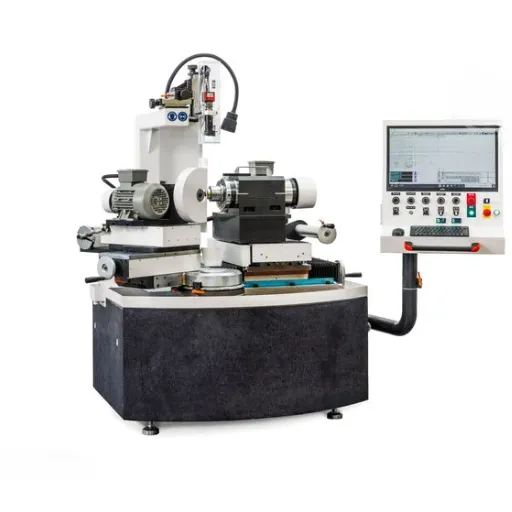
A wheel dressing machine is a unique tool capable of imparting shape, precision, and efficiency to grinding wheels. With usage, a grinding wheel undergoes wear and clogging, which results in lesser performance. Dressing is therefore needed to remove impurities and the worn-out layer of the grinding wheel surface so that it retains its design profile and cutting ability.
The major operation of use of the wheel dressing machine is very simple yet very important. By this process, any buildup or debris which is found on the grinding wheel surface is removed, and also the wheel is re-shaped to its original form. This process is essential to guarantee grinding processes with greater accuracy, because a well-maintained wheel will always give consistent and accurate grinding. Dressing machines also help to condition the surface of the grinding wheel and hence promote smooth grinding operation with minimum heat generation during grinding.
💡 Key Insight: Professional might extend the life of their grinding wheels and increase efficiency by having a wheel dressing machine for maintenance. This certainly translates to cost savings. Undressed grinding wheels result in subpar work; therefore, the projects must be executed to the best quality. When grinding wheels are dressed satisfactorily, they will give the best performance, whether in industrial or small-scale applications.
Wheel dressers come in various types to cater to different grinding requirements and therefore keep the grinding wheels efficient and precise.
As one of the most commonly used tools in dressing grinding wheels, diamond dressers use industrial diamonds to shape and clean the abrasive surface, hence ensuring accuracy and uniformity of the surface. They are mostly used for heavy-duty operations that require accurate dressing.
This type of dresser has a single diamond point attached to it. It is particularly useful in imprinting a specific shape on the grinding wheel, whereby the tasks performed require very precise contouring.
Multi-point dressers have more than one diamond tip; the result of this multiple tips is an evenly applied pressure on the surface of the grinding wheel. Such pressure results in a proper dressing process since it maintains the durability and stability of the grinding wheel and is therefore mostly used in maintenance applications where consistency and longevity are considered of utmost importance.
Star wheel dressers have cutters that, while rotating, remove debris from the grinding-wheel surface, thereby dressing it. They are commonly used for general-purpose dressing and are the less expensive option for less demanding work.
These dressers represent the more up-to-date generation that automatizes the dressing procedure. Such dressers are designed with high accuracy and are typically used in industrial scenarios where accuracy and efficiency matter most.
⚠️ Important Note: Choosing the right type of wheel dresser depends on the particular application, the material of the grinding wheel, and the precision level required. Choosing and using these tools properly greatly affects the quality and efficiency of grinding operations.
Grinding wheel dresser reshaping or cleaning of the grinding wheel and conditioning of the new cutting surface for the best performance. Given an increase in loading with debris or grinding wheel wear, that would hamper its efficiency. The dresser would remove the loaded, clogging, or worn-out material so that fresh abrasive grains are exposed to retain the correct shape of the wheel.
The standard procedure consists of the dresser being applied to the rotating grinding wheel surface. Depending on the dresser type employed, this is either removing thin layers of the surface of the wheel or breaking down irregular build-up. This operation balances the grinding wheel and maintains it for precision and smooth finishing on the work.
Using a grinding wheel dresser will ensure consistent results in grinding operations. Without the right dressing, the wheel tends to produce errors, uneven surfaces, or rough finishes. Regular dressing keeps the grinding wheel in prime condition, which increases the life of the wheel and helps in maintaining accurate machining.

With the use of a grinding wheel dresser, one can employ almost all grinder capabilities to consistently maintain the design and surface texture of a grinding wheel. Through correct dressing, the grinding wheel precisely removes materials and conducts subsequent reworks, in unnecessary situations, saving time and thereby improving overall machining productivity.
As opposed to rough or poorly dressed wheels, a perfectly dressed wheel experiences less friction during operation. This decreases the possibility of the wheel being overheated and reduces wear on the grinding wheel and the workpiece. This ultimately decreases the energy required to grind and improve work efficiency because the grinding wheel cuts better.
This is how maintaining equipment assures the smooth finish of a workpiece, the hiccups resulting from a worn-out or clogged wheel being eliminated. In better words, the outcomes are better and maintaining the grinding wheel should, therefore, be a priority for achieving better performance in industrial applications.
Maintaining a very fine surface finish is a major objective in industrial grinding applications. Keeping the grinding wheel in good condition furthers the cause of a very fine surface finish by minimizing irregularities on the workpiece. Such maintenance ensures that the wheel cuts evenly, with less friction on the material, and prevents defects such as scratches and areas of random roughness.
On top of that, a very important advantage that comes with grinding wheel maintenance is the absence of thermal damage to the workpiece. Frequent profiling and dressing of the wheel prevent too much heat from developing, which, in excess, leads to surface burns or distortions. This makes for a smoother finish and ensures that the material does not lose its structural integrity.
With this, further enhancements in surface finish are really possible if you choose the right grinding parameters, which include speed, feed rate, and coolant application. With a good grinding wheel, this ensures the equipment’s precision and consistency to the benefit of the workpiece’s quality and the efficiency and service life of the equipment. Thus, this needs to be serviced regularly to be all the better at their work in accordance with standards on an industrial level.
Tool life more or less directly affects the cost and quality of industrial operations. Longer tool life implies less frequent tool change, hence less process downtime, and also cleaning of the tool surface from previous wear to maintain consistent performance for a relatively longer time. Some of these factors influencing tool life are the right selection of tool materials, proper maintenance, handling, and working conditions, all of which can be controlled to give the maximum life to a tool.
Maintaining tool life includes keeping it sharp by sharpening or grinding, using proper cutting speeds, and applying the best lubrication or coolant. Coolants help lessen heat generation and friction, which are the main factors promoting tool wear. Moreover, correct application of tools for the right material and processes can prevent unnecessary strain or damage.
Regular maintenance is a must, from cleaning tools after use to inspecting them for wear or damage. Should any part become worn to the point of potentially impairing safe working conditions, that component must be replaced immediately to allow uninterrupted flow of operations. Whenever these practices are kept, companies will not only gain upgraded tool life but also improved production efficiency under sustained profits.
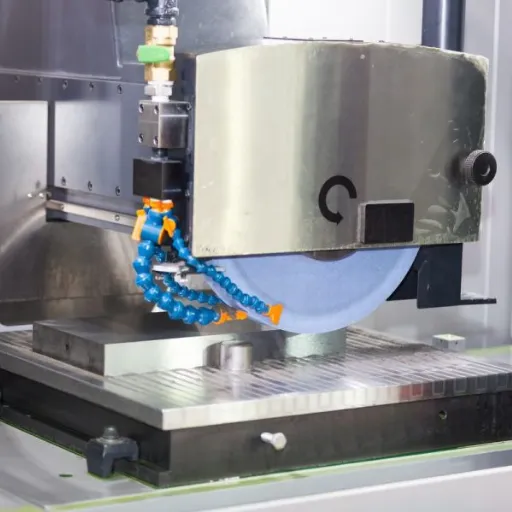
Begin by examining the grinding wheel for any damage, wear, or uneven surface. If the wheel has deep cracks or is excessively worn, it should be replaced since the dressing cannot restore such severely damaged wheels.
Ensure that the grinding wheel has been mounted properly and secured firmly to the grinder. Switch off and unplug the machine without fail while proceeding ahead, lest one may have an untoward accident of dressings’ own!
The dressing tool is chosen depending on which type of grinding wheel is selected and what finish for the surface is desired. The choices are diamond dresser or stick dresser, which find usage depending on the application.
The dressing tool is placed against the grinding wheel surface at the desired angle while keeping the tool flat. Adhere strictly to all manufacturer’s recommendations on positioning to obtain uniform results.
Start the engine, and then gently touch the dressing tool to the grinding wheel. Glide the tool over the wheel surface ever so lightly with firm and steady pressure, to clear the debris and shape the wheel.
Inspect the wheel: turn off the grinding machine after dressing; it should be checked for evenness, sharpness, and surface quality. If necessary, the process can be repeated until the finish is as desired.
This stage involves removing any deposits of debris from the dressing process, maintaining a neat and safe environment. Such cleanliness would have ensured better operational results in the future.
✅ Success Tip: By following these steps, the grinding wheel should maintain its perfection, creating precisely accurate grinding operations and prolonging the life span of both the wheel and the machine.
Dressing tool selection is guided by several important factors such as the grinding wheel type, the ground material, and the application requirements. The main function of the dressing tool is the restoration of the grinding wheel cutting surface and making it efficient and precise. The correct matching of dressing tool to the wheel’s grit size, bond material, and operational conditions will be required for the successful dressing process.
Diamond dressing tools are usually recommended for fine grit or precision grinding wheels because of their ability to maintain accuracy and give a clean finish. On the contrary, single-point or rotary dressing tools may be preferred for coarser wheels or faster applications that require material removal. With these tools, higher throughput is facilitated and efficiently, the wheel is shaped for heavier duties. The hardness and structure of the wheel should always be considered when deciding which dressing tool to use since compatibility has a direct impact on both performance and wheel life.
Lastly, operating conditions and your application’s specific requirements should be factors in your decision-making. For example, high-speed grinding or tough material applications may call for a more durable and versatile dressing tool that can take wear and still produce uniform results. The right tool not only guarantees the best grinding performance but also minimizes downtime, wheel damage risks, and even expenses. Continually evaluate your tools and procedures to make sure they are still suitable for your operational requirements.
The maintenance of balance and precision all through the process is the key to optimal performance in grinding applications. The wheel dressing process needs to kick off with the proper dressing of the grinding wheel taking place through the use of suitable tools and techniques. Good quality dressing of the wheel means that cutting efficiency is at its highest, heat is generated at a minimum, and the possibilities of errors or surface damage are at their lowest. Besides, regular checking of the wheel condition will help in achieving consistent results over time.
A correct selection of grinding parameters is equally as important as the above-mentioned process. Grinding parameters involve speed, feed rate, and depth of cut, and all these parameters should be adjusted according to material and desired surface finish. Tool life extending and productivity increasing can be done by adjusting the parameters to their optimal levels. The settings should be continuously monitored, and periodic calibration checks should be practiced to ensure accuracy.
Also, keeping the work area clean and under control is another factor that seriously boosts performance. A clean and tidy work area, together with good coolant flow during the grinding process is a sure method of lower friction and heat production thus protecting the tools and the workpiece. In this way, the painstaking cleaning and lubrication schedules and the immediate response to any inconsistencies will even be more efficient and productive. The grinding process, therefore, becomes more reliable, effective, and cost-efficient when these practices are adhered to.
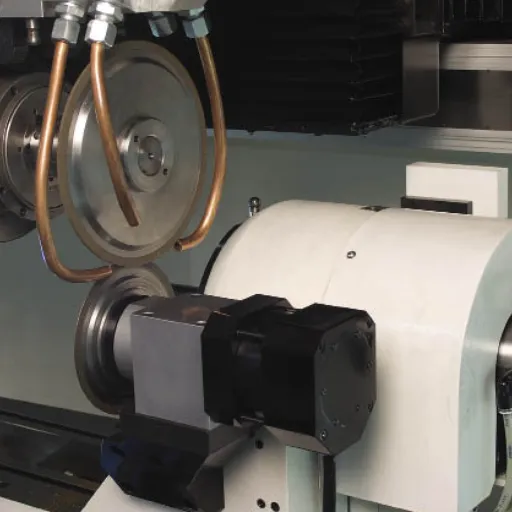
The most important factor among all in choosing the right grinding wheel dresser is the type of grinding wheel being used. Grinding wheels made of different materials and compositions require compatible dressers to perform effectively. For instance, diamond dressers are usually the choice for harder grinding wheels because they last longer and are more precise. By understanding the material compatibility of the dresser and the grinding wheel, one can maintain the efficiency and longevity of both.
The level and type of finish that the user desires is another consideration that has to be made. In the case of a smooth surface finish or even intricate detailing, the dresser used ought to be accurate to shape and refinish the grinding wheel. On the other hand, for general grinding with less intricate requirements a more ordinary or cost-effective dresser may be enough. The required finish quality and accuracy clearly defined makes it easier to select wisely.
Lastly, the amount of use and the conditions under which it operates should be the factors determining the dresser’s choice. For heavy industrial use, a tough dresser that can endure constant wear over a long period is a must. Besides, one should take into account the maintenance and replacement ease for the dresser, more so in places where downtime could mean a loss of production that is quite significant. Costs, durability, and usability are factors that are usually tricky to balance, but if one manages to do so, he/she will have a dresser that meets both operational and budget constraints.
Single-point and rotary dressers contribute differently to the grinding process and the decision-making for one over the other depends on your specific operational necessities.
💡 Decision Guide: In the end, the decision between single-point and rotary dressers is a matter of finding the right compromise between application complexity, the amount of use, and price. Single-point dressers are enough for precision, straightforward tasks, while rotary dressers are the ones to go for in heavy-duty, high-precision industries.
Taking into account the demands of the application and the operational environment, the main factors to weigh in when deciding between heavy-duty and standard wheel dressing machines are the needs of the application and the operational environment. Heavy-duty models are intended to serve industries with high-capacity needs or difficult conditions. They have very strong construction, long life, and perfect precision, which makes them perfect for the application of continuous use or very hard materials.
On the contrary, standard models are less intensive operations. They are usually cheaper and simpler to use than heavy-duty models, thus they fit well into small-scale or less demanding environments. These machines may not be as durable as heavy-duty units, but they still perform reliably for routine applications and can handle tasks where extreme precision or heavy workloads are not required.
⚠️ Decision Point: The final decision is based on the needs of the operation in question. Heavy-duty models are a must for businesses that are handling large volumes, tough materials, or requiring to run machines for long hours. Standard machines, on the other hand, are cheaper and more efficient alternatives for small-scale or sporadic tasks without creating the problem of unnecessary overperformance. By ensuring that the machine’s capabilities perfectly match the application, you will get the best performance and the longest life.
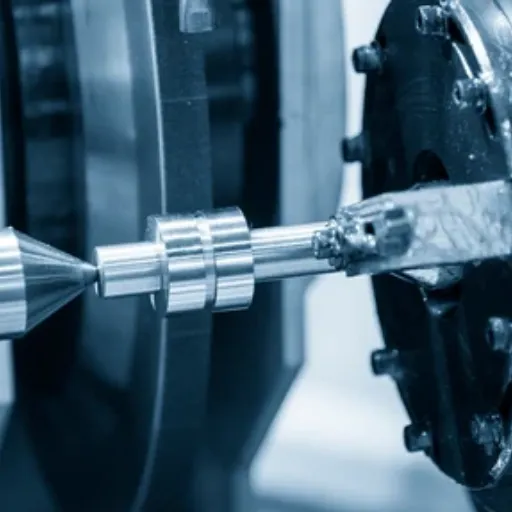
Cleaning after each use is a must to maintain the machine’s optimal performance. Make sure to remove everything that is considered debris, dust, or buildup from the parts such as grinding wheels and guards. To reach and clean the areas that are hard to reach, use a soft cloth or an air blower, but be careful not to harm fragile parts.
Parts that move like spindles, bearings, and gears should be checked frequently for wear or misalignment. Keep these parts lubricated according to need so that they can operate smoothly, friction won’t be a problem, and the machine’s life can be elongated.
Keep an eye on essential parts, e.g., grinding wheels, for their life cycle. Do not wait for the part to be dangerously worn or damaged before you replace it; maintain the right level of efficiency and safety by replacing parts before they fail. Use only the supplier’s specified parts as the manufacturer’s guidelines for replacement to ensure the right parts during replacement.
✅ Maintenance Benefits: Implementing these routine maintenance practices will not only raise the wheel dressing machine’s durability, efficiency, and safety but also cut down on expensive downtime to a great extent.
During the use of the wheel dressing machine, there might be some problems that if not identified and resolved quickly can affect the production negatively. The problems listed below are some of the issues that are frequently encountered and their solutions:
Problem: Usually, this problem results from bad pairing of the dressing tool with the wheel.
Solution: If this is the case, then it is wise to check the alignment settings as well as the machine’s user manual, then make the necessary adjustment. Also, check that the wheel and dressing tool are clean and free of any obstruction since even a little could lead to inaccurate dressing.
Problem: The machine’s efficiency may have dropped because of the wearing out of the grinding wheels or the dressing tools being dull.
Solution: Have the mentioned parts periodically checked and replaced if worn out. It is also possible that dust or residues have been blocking the machine’s pathways. A thorough cleaning of the machine could very well help in bringing back the good performance.
Problem: During the operation of the machine, if there is excessive vibration or noise, it might mean that certain parts are loose or the wheels are out of balance.
Solution: Make sure that the bolts and fasteners are in place and check the wheel for balance problems. If there is an imbalance, then perform the rebalancing procedures as described in the manufacturer’s guide.
💡 Important Reminder: If all the aforementioned common issues are addressed and a constant inspection is present, then you are guaranteed a good performance from your wheel dressing machine, and also, you will be able to avoid long durations of downtime. Keep referring to the manufacturer’s manual for the detailed guidelines on troubleshooting that are particular to your machine model.
Regular maintenance and proper usage are very important if one wants to ensure the longevity of the dressing tool. Start with the manufacturer’s maintenance schedule, which usually consists of cleaning, inspecting, and lubrication of the tool’s moving parts, and then proceed to the maintenance of the dressing tool. Removing the debris and buildup from the tool not only prevents the wearing of the tool and but also eliminates the malfunctioning chances to a minimum.
Proper handling aid in the operation and comes as an important factor. Tools should always be operated within the designed limits, while at the same time, applying pressure that is not excessive since this may lead to the straining of the components. The tool should be properly aligned to avoid putting stress that may cause its function life to be shortened. To add to that, store the tool in a place free of moisture and dirt, since such conditions lead to the rusting or other damage of the tool due to environmental factors.
Moreover, it is also a good practice to inspect the tool regularly for any signs of wear or damage such as cracks, dull edges, or uneven surfaces. Replacing or repairing parts as soon as they occur can lead to significant savings in the long run and keep the performance up. By being diligent and following the use guidelines, you can ensure the maximum lifespan and efficiency of the dressing tool.
A wheel dressing machine is meant to rejuvenate the grindings wheels by giving them back their desired shape and surface characteristics thus keeping them effective and lasting long. This procedure is very vital because it is the only way to prevent the grinding wheel from becoming soiled and, thus, being less efficient for the performance of the high-quality grinding operations.
The dressing techniques vary from one another because of the different methods applied. They differ in terms of the grinding wheel’s condition and the workpiece’s required surface roughness, i.e. conventional abrasive dressing, diamond dressing, and truing are the main techniques used.
Diamond grinding wheel is an ultra-modern tool tailored for the toughest applications, with carbide and superabrasive materials, being the hardest ones. The diamond wheel, on the other hand, is the conical abrasive wheel that uses a mixture of aluminum oxide, which is softer and less costly, mainly for miscellaneous grinding purposes and soft material when their hardness is close to that of the wheel.
It is very essential to keep the wheel’s surface in good condition, as this will make the wheel to be cutting and efficient thus giving rise to ultra precisions grinding operations. On the other hand, a wheel that is not regularly dressed will produce inconsistent results which will eventually be reflected on the quality of the downstream product.
The factors that affect the choice of dressing method are such as the material used, the desired surface finish, the condition of the grinding wheel, and the needs of the manufacturing processes involved. In some cases, different dressing techniques might be needed to get the best results.
The surface roughness is heavily influenced by the dressing of the wheel because it is done mainly by the reshaping of the wheel, which is done to enhance its cutting ability. A wheel that is well-dressed can produce very fine finishes and high accuracy, and this is the reason why aerospace industries use such types of wheels since they have very high-quality standards.
Absolutely! CNC machines are one of the most suitable devices to perform wheel dressing as they are capable of achieving very high precision and control. Combining this technology with the dressing process can assure that the whole wheel gets dressed uniformly over its whole area.
The signs that can inform you when a grinding wheel requires dressing are: decline in grinding efficiency, poor quality of surface finishes, and the worn-out or loaded state of the wheel becoming visible. Carrying out regular inspections will help to keep the grinding wheels always in the best state of performance and ensure that the wheels are clean and ready for use.
The importance of effective dressing arises from the fact that it not only increases the life span of the grinding wheel but also improves the quality of the finished work. Proper dressing ensures the grinding wheel operates on the highest efficiency level, which ultimately leads to a rise in production, and also there will be no interruption in the planned manufacturing process since the grinding wheel can be replaced quickly.
Your Step-by-Step Guide to Dressing a Grinding Wheel – A detailed guide on dressing grinding wheels using dressing tools.
How to Dress Your Diamond Grinding Wheels – A comprehensive resource on techniques for dressing and truing diamond grinding wheels.
The Ultimate Guide to Diamond Dressing Tools – Explores diamond dressing tools and their applications across industries.
GWDress Grinding Wheel Dressing Machine – Information on precision grinding wheel dressing machines and their features.
Grinding Wheel Dressing – Wheel Dresser Types & Techniques – Covers the process of reshaping abrasive particles on grinding wheels to restore cutting ability.