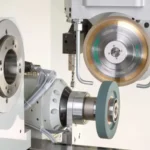
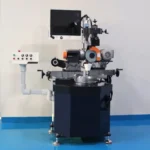
Revolutionary CNC Grinding Wheel Dresser
Transform your grinding operations with precision wheel dressing technology that delivers unmatched accuracy, reduces downtime, and maximizes productivity.


The selection of the right grinding wheel for your angle grinder can make a huge difference in getting the ideal cut, grind, or polish. Choosing the correct disc among the innumerable different types, sizes, and materials can easily confuse even the most experienced professionals. Nevertheless, we are here for you. The purpose of this guide is to expedite your decision-making process a lot by going through the grinder wheels’ essentials. We will be there for you to help you figure out your choices and the best one for your needs, whether it’s cutting metal, edging down the roughness, or working with a certain material. So, let the performance of your angle grinder be at its peak and the results you want come out easily with your self-assurance!
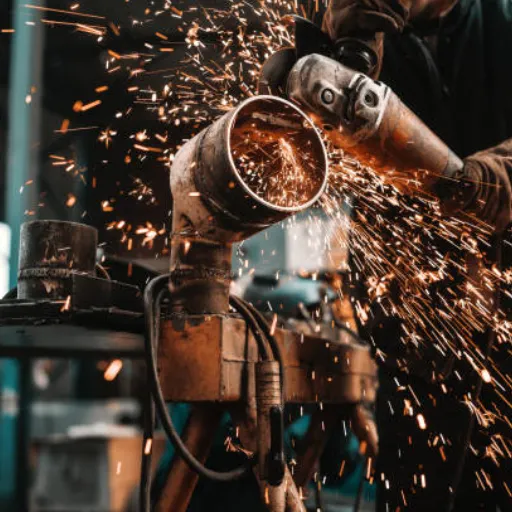
A grinding wheel is an abrasive tool that finds its applications across a wide range of industries and DIY projects. Its functions include cutting, grinding, shaping, and finishing materials. An abrasive wheel is made up of small abrasive grains that are glued together to make a circular wheel. The grains serve as the cutting tools that extract the workpiece material through their interaction with the wheel. Depending on the material and function, grinding wheels are attached to either angle grinders or bench grinders.
The main function of a grinding wheel is to obtain accuracy and speed in the process of material removal. High-speed rotation of the wheel makes the abrasive grains either cut or smooth the surface of various materials such as metals, ceramics, etc. Different grinding wheels are made for specific applications, like cutting, sharpening, or polishing, and the effectiveness of a wheel is determined by such factors as grain size, bonding material, and wheel grade. The right wheel selection not only ensures optimal output but also causes minimum damage to the workpiece or tool.
Grinding wheels are in high demand in industries, namely manufacturing, construction, and metalworking, which expect and require precision and durability. They are capable of performing not only precise surface finishing but also tough and heavy-duty material removal. The effectiveness and lifetime of a grinding wheel can be maximized by proper usage and maintenance, including regular inspection for damage and adherence to safety protocols.
Grinding wheels are primarily utilized for to contour, smooth, and perfect materials down with extreme accuracy. Various industries have recourse to grinding wheels for the removal or reduction of excess material, and the production of a surface that is either smooth or uniform, depending on the surface required for a certain specialty. Therefore, grinding wheels play a crucial role in providing accurate dimensions and up to the highest quality finishes in both the so-called small and large-scale production processes.
In fact, one of the most important functions of grinding wheels is the removal of materials from metals, ceramics, plastics, and other very hard surfaces. Besides, they offer control and the necessary speed in the challenging activities of sharpening tools, cutting through hard materials, or grinding surfaces for industrial applications. Their adaptability makes them perfect for intricacies as well as for heavy-duty operations like weld removal or the shaping of castings.
On top of that, grinding wheels are the key to uniformity and increased workflow. Dependence on the right grinding wheel can lead to less material being wasted, more accurate finished pieces, and safer practices being maintained. These features are among the reasons why these items are widely used in industries such as aerospace, construction, and metalworking, where precision and reliability are of utmost importance, especially in the case of frontiers of technology.
The process of grinding wheels involves the removal of small particles from the surface by means of an abrasive material. These wheels consist of a solid circular structure made of is bonded abrasive grains. The rotation of a grinding wheel at high speed turns the abrasive grains into sharp cutting tools which slice off the bits of material that come in contact with it. The whole operation is conducted with great precision and can be adjusted to achieve the desired quality, hence the grinding wheels are indispensable for various industrial processes.
The main factor that determines the performance of a grinding wheel is its composition. The cutting ability, lifetime, and proper uses of the wheel are determined by the abrasive material, bond type, and grain size used. Hard and wear-resistant materials like aluminum oxide and silicon carbide are the most used abrasives. The bond type, on the other hand, keeps the grains in position while at the same time allowing gradual wearing off which reveals the still sharp ones underneath to maintain performance.
The grinding wheels are very much multipurpose and can do a variety of things such as removing large amounts of material to making surfaces very smooth. In fact they are utilized in different sectors for breaking, sharpening, cutting, and polishing of various materials, among them metals, stones, ceramics, and composites. If the right grinding wheel is picked for the task, then the professional worker can get the desired outcome quicker, more accurately, and more safely. Thus, this adaptability together with the accurate operation makes the grinding wheels very important in the current production and engineering processes.
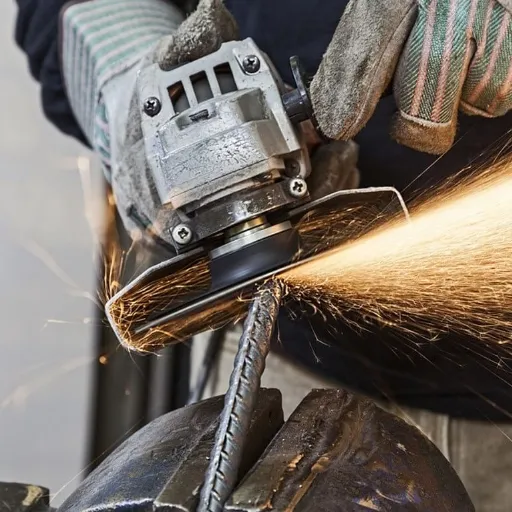
Grinding wheels are available in various forms, each one tailored for a particular task and material. The following are the most common grinding wheels with their respective main applications:
Cut-off wheels, or abrasive cutting wheels as they are sometimes referred to, are cutting tools that are indispensable for getting through metal, stone, and similar hard materials. Generally, these wheels are not only very thin but also extremely strong because of the fiberglass reinforcement that each wheel gets, which helps prevent breakage through high-speed cutting. Their main merit is in the quality cutting tasks, opening up the areas for clean cuts, and effective cuts in different industrial and manufacturing uses through the ease of operation.
The precision and efficiency of the cut-off wheels have made them essential tools in various industries. Some of these usages are:
Diamond grinding wheels are tools with incredible longevity and precision that exude high value in a range of industries. Grinding tough materials like ceramics, glass, and concrete to a large extent is one of the main reasons why they are so favored. Diamond abrasive not only cuts the material but also limits the wear on the wheel, thus prolonging tool life and giving cost-effectiveness in the long run. Their high thermal conductivity is another advantage that comes with diamond grinding wheels, as it lessens the heat build-up and risk of burning during grinding, thus augmenting both performance and safety.
Diamond grinding wheels are employed in generating high-quality finishes as their other use. The wheels can do this by removing the material to the required depth accurately while still preserving the piece’s whole. This is why they are widely used in technical processes like tool grinding, where snagging and surface smoothing are the two main concerns. Their flexibility and adaptability also allow their operation in both wet and dry grinding environments, thus increasing their overall usability.
Diamond grinding wheels are standard equipment in the construction, automotive, and electronics industries. They are indispensable tools in the creation of semiconductor components through cutting and shaping, sharpening of tools in heavy machinery maintenance, and so forth. They can work through the toughest jobs while keeping the same quality throughout; therefore they are very much needed for high productivity and meeting the strictest quality standards.

Grinding wheels increase the rate of material removal which in turn causes the rate of production to be significantly increased as well when it comes to the use of the competing methods. The ability to grind and cut the same way every time without variations in size or shape means rework will be reduced and productivity will be higher because of less downtime. This is why grinding wheels have become inescapable parts of very demanding industries that are strict about their deadlines and output.
There is no doubt about quality when the right grinding wheel is chosen for the specific material and application. The wheels that are properly selected will give the maximum performance and the result will be smoother finishes or more precise cuts. This is indeed very critical in some sectors where the highest quality is expected as grinding wheels can provide exact tolerances and invisible joins resulting in the best quality product.
Moreover, utilizing the correct grinding wheel reduces the chances of damaging either the workpiece or the machine. The right combination of wheel material and grit size results in less wear and tear, thus extending the tool’s life and improving its cost-effectiveness. Thus, contributing to both short-term and long-term operational success, grinding wheels turn out to be the indispensable tool in a wide range of industrial applications.
Safety for the persons operating grinding wheels and a hazard-free working environment is the priority. The proper handling and operation methods of grinding wheels will not only minimize the risk of accidents but also make it essential to follow the set rules and guidelines. So, always check the grinding wheel for cracks, damage, or irregularities before using it since even the smallest defect can cause the wheel to break while in use. Moreover, the wheel must be correctly fitted and firmly tightened to avoid being dislocated or even coming off completely.
Personal protective equipment (PPE) helps to a great extent when it comes to dangerous workers. Always protect yourself by using goggles or face shields which will protect you from flying particles and dust that are the result of grinding. The right kind of gloves will also be very effective, as they will both prevent the hand from getting hot and protect it from abrasion. You can also wear hearing protection when the machine is noisy. If the air is poorly ventilated, using a dust mask or respirator will help prevent you from inhaling fine particles.
As a last point, cleanliness and organization of the work area will not only keep it looking good but also help in lessening the hazards. Pull out from the site substances that can easily catch fire as sparks or heat coming from grinding can ignite them. Also, check that every safety guard installed on the machines is in place and its operation is up to date. By obeying these safety rules and regulations, operators can very easily cut down on the risks and work in a safe and productive environment.
In the long run, high-quality tools and machines are a huge investment that will drastically lower the operational costs. The original price is larger, but the tough and effective equipment takes care of the maintenance and replacement costs that would have been incurred during the period of time. That aside, dependable machines will have less downtime which will lead to productivity increases, hence, overall cost savings.
Another aspect of cost-effectiveness is energy efficiency. The use of energy-efficient machines can lead to a significant drop in electricity consumption and in turn, lower the operational expenses. This would not only mean the reduction of bills but also the creation of a sustainable and eco-friendly operation which would bring financial as well as ecological rewards.
Last but not least, appropriate operator training is a great contributor to cost-effectiveness as it reduces the occurrence of misuse and accidents that can cause equipment damage or incur costly repairs. Training the workers is also a way to giving them a powerful tool that will help them produce more and ensure that their efforts are not wasted. Regular training of the operators, along with the maintenance of the equipment, creates a cost-effective and smoothly running operation.

The primary factor when choosing a grinding wheel for your angle grinder is the material involved in the working process. There are different wheels for different materials like metal, stone, and wood. If you use an unsuitable wheel, you will likely end up with an inefficient operation and the wheel will wear out quickly. For instance, aluminum oxide wheels are perfect for metal grinding, whereas silicon carbide wheels are recommended for working with brick and concrete.
Also, the wheel’s grit size is a crucial point to consider. Grit size indicates the roughness or smoothness of the grinding surface. Big grits (lower numbers) allow for fast material removal or treatment of rough surfaces, while small grits (higher numbers) suit delicate work or creating smooth finishes. It is necessary to align the grit size with the intended task for both efficiency and quality of results.
At last, the grinding wheel’s compatibility with your angle grinder is of utmost importance. Confirm the grinding wheel’s diameter and arbor size correspond with those of your tool. Furthermore, check the wheel’s speed rating and see if it equals or is higher than your grinder’s maximum RPM, as this is an important safety factor. The right compatibility will not only result in an efficient performance but will also make your working environment safer. You can select the appropriate grinding wheel perfectly tailored to your needs simply by taking these factors into account.
Selecting the correct grinding wheel for the material is absolutely necessary for the most efficient and safe results. Each material presents its specific wheel type for cutting, grinding, or finishing to be performed properly. For example, aluminum oxide wheels are used for steel and other ferrous metals, while silicon carbide wheels are more effective for non-ferrous metals, stone, or concrete. Knowing the material you are working with will help you to choose a wheel that does not wear or damage the tool and performs well.
Softer wheels are usually used for harder stainless steel to prevent the heat build-up that can be damaging to either the material or the tool. Hard materials can always use soft wheels because they will be durable and have a long lifespan. Always ensure that the abrasive property of the wheel is matched with the hardness and composition of the material being worked on.
As for the finish, consider it last. The coarser grit wheels are quick in removing material but leaving a rough surface, which is a sign of initial shaping or heavy-duty work. On the contrary, fine-grit wheels are for precision work and smoothness. By your choice of the right wheel type according to the material and the intended finish, you will have efficient operation and a safer environment. Always check the product’s specifications for directions and adhere to best practices for the operation of the tool.
One common mistake that occurs when grinding wheels are used is not selecting the right grit for the specific task. A coarse grit used for fine detailing can give an uneven finish while on the other hand, a fine grit on heavy-duty jobs can slow down the procedure and even cause the material to overheat. Make sure that you pick the right grit size for the given project so that you can get the intended result in an effective manner.
Another common problem is that people do not check the grinding wheel for any damage before using it. A crack, a chip, or just simply wearing off can really compromise the integrity of the wheel and thus the risk of accidents happening is greatly increased. Therefore, always make it a point to check the wheel for any damage and if there is, do not hesitate to replace the wheel. Also, do not forget to make sure the wheel is safely and correctly mounted to prevent vibrations or breakage in the course of the operation.
Lastly, improper handling of safety measures such as neglecting to wear protective gear, can lead to accidents and sometimes even severe injuries. Always, eye protection, gloves, and ear protection should be used when grinding with machines. It is also very important to stick to the specified operating speed for the grinding wheel as this is one of the main reasons for accidents. Keeping safety and preparation as your priority will greatly reduce the risks involved and also allow you to have a smooth and efficient workflow.

The grinding wheels’ storage and handling are among the major factors that will ensure their durability and avoid damage or incidents. Grinding wheels should always be kept in a dry and clean area away from extreme temperatures, humidity, and direct sunlight, since these kinds of conditions can reduce the wheel’s strength. Do not put them on surfaces where they might be subject to mechanical damage like cracking or chipping.
When grinding wheels are stored, stacking them vertically on racks or shelves that can support their weight and size is the best practice. The racks must be firm and the wheels should not be in direct contact with one another to avoid unintentional surface damage. Spacers and dividers can also be used if needed. For the larger wheels, it is best to mount them in their designated position or place them in suitable stands, so they won’t warp or bend.
During the transfer, take care of the grinding wheels and make sure they will not drop or hit by anything. The right tools and lifting equipment should be used for the heavy wheels and also make sure that the personnel who are handling them are taught the safety measures. Before use, the wheels should be inspected for any signs of cracks, chips, or wear and the damaged ones should be discarded immediately to keep a safe working environment.
The productivity and safety of grinding wheels depend on regular inspection and cleaning. First of all, the wheels should be checked for cracking, wearing, or other damage that might lead to malfunctions by looking and touching them regularly. Proper inspection eliminates the possibility of such incidents as wheel breakage, which is a major cause of injuries in the workplace. Document all inspections to have a record of maintenance and of any problems discovered.
Cleaning the grinding wheels not only extends their life but also makes them more effective. The wheel’s cutting efficiency will diminish if it gets covered with debris and residue, thus causing uneven wear. Use only authorized cleaning tools or sticks specifically meant for grinding wheels to get rid of buildup without harming the wheel. Do not use strong chemicals that could wear the wheel material, and make sure that the cleaning process is in accordance with safety measures.
In conclusion, make inspection and cleaning part of the regular maintenance for your tools and machines. Teaching the staff to do these things raises the responsibility and even makes the upkeep more uniform. A grinding wheel taken care of will not only give you its best performance but also a safer and more efficient working environment.
A grinding wheel must be replaced once it has become visibly worn or damaged, which can be in the form of cracks, chips, or odd wear patterns. Using a damaged grinding wheel can be a major safety hazard, as it may lead to wheel breakage and subsequently cause injuries. The wheel should be checked for any signs of damage or deterioration before each use.
Another obvious indication that it is time to retire your grinding wheel is that it has lost its performance so much so that it is the most effective on the lightest materials. If the wheel is not cutting, grinding, or finishing materials well, even with proper pressure and speed, it probably has gone to the end of its life cycle. The result of using a wheel in this condition is not only a reduction in productivity but also an upshot of compromised quality.
In addition, grinding wheel expiration dates indicated by the manufacturer have to be followed to the letter. Using an expired wheel may lead to loss of structural integrity; hence, there will be a higher risk of failure while operating. By signaling the end of the grinding wheel’s life at the right time, you not only assure yourself of the best performance but also a safer workplace. Regular checks and adherence to the suggested guidelines are essential to keeping your grinding equipment effective and lasting long.
Q: What is a grinding wheel?
A: A grinding wheel is a circular instrument fabricated from abrasive materials that finds its application in different abrasive machining processes. Its core forms the basis of its design to send mechanical action to metals and non-metals to get the desired finish or the quickest removal of imperfections.
Q: What are the main types of grinding wheels?
A: The major types of grinding wheels are straight wheels, cup wheels, and cylindrical wheels. Each wheel type is specified for different grinding operations or cutting and they can also be offered in an assortment of sizes and materials to suit a wide range of applications.
Q: How is a grinding wheel made?
A: To produce grinding wheels, a mixture of abrasive materials and a binding agent, which may be resin, ceramic or vitrified, is composed. The resulting mixture is then formed and hardened into a cohesively bound wheel able to endure high speeds during the process.
Q: What is the role of wheel speed in grinding?
A: Wheel speed plays an essential role in the process of grinding as it determines not only how efficient but also how quality the result will be. As a general rule, faster wheel speeds mean quicker cutting and better surface quality; however, this situation also demands the use of wheels that can withstand the greater forces applied without the risk of damage to the workpiece.
Q: How does dressing the wheel affect grinding performance?
A: Dressing the wheel is necessary for the preservation of the cutting ability of the wheel. It is the process of getting rid of the worn-out layer of the wheel to reveal the fresh abrasive grains which can enhance the cutting action and extend the life of the wheel by providing it with a consistent performance.
Q: What materials are commonly used in grinding wheels?
A: Widely accepted ingredients in making grinding wheels are aluminum oxide, silicon carbide, and ceramic. Each material carries specific characteristics that allow for use in certain applications, such as grinding tough alloys or softer materials.
Q: What is the importance of wheel grade in grinding?
A: The hardness of the grinding wheel and the amount of protrusion of its abrasive grains are both determined by the wheel grade. A finer grade is generally assigned to more sensitive operations, while a coarser grade is preferred for the cuts that need to be quite aggressive. Getting the grade right is crucial not only for the finish you want but also for not damaging the workpiece.
Q: Can grinding wheels be used for materials other than metal?
A: Grinding wheels can perform on a variety of materials not limited to metals only, and some of these include ceramics, glass, and certain types of plastics. The decision on the wheel is based on the material’s hardness and the finishing quality expected.
Q: What are the benefits of using a grinding wheel?
A: Aside from being a fast cutting tool, grinding wheels can also work at a fast pace without damaging the workpiece, and they exist in versatile forms for processing different materials. They are the most crucial lines of defense in the manufacturing and metalworking industries for getting accurate finishes and removing defects promptly and efficiently.
Q: How can I determine the right grinding wheel for my project?
A: Evaluate the material you will be using to find the grinding wheel that is right for your project, the kind of finish you need, and the specific grinding operation befitting your needs. Analyzing these factors will clarify what type, material, and grade of the wheel should be chosen to guarantee the best results.