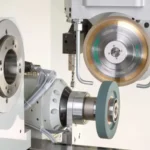
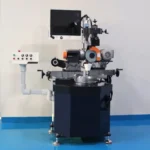
Revolutionary CNC Grinding Wheel Dresser
Transform your grinding operations with precision wheel dressing technology that delivers unmatched accuracy, reduces downtime, and maximizes productivity.


Safety in machining should be the utmost concern, especially in the case of grinding wheels, which are used most commonly in these operations. The use of these tools without taking the necessary safety precautions may lead to very dangerous situations. The article explores the critical aspects that ascertain the safety of a grinding wheel and brings to the fore the necessity of regular inspection and testing. It does not matter whether you are an experienced machinist or a beginner; this guide will equip you with the skill to spot risks, implement safe practices, and make the workplace a safe place to be at all times. So continue reading to discover the basic tips, testing methods, and safety rules that every machinist should be aware of.

Grinding wheels are very important in most of the machining processes but when accidents happen due to these tools it means that they were not properly handled or maintained. Wheel breakage, flying debris, and harmful dust particles are the most common risks. The situation of a grinding wheel that is having a crack or is damaged could end up shattering during its operation, and serious injuries could result. On top of that, if the wheel is mounted wrongly or being operated at an incorrect speed the chances of the accidents taking place will be increased even more.
In order to get rid of these hazards, the machinists should never skip doing a very detailed inspection of the grinding wheel just prior to its use. The inspection consists of a visual check for any cracks or damages, the so-called “ring test” to expose any structural weaknesses. Besides, it is equally important to make sure that the wheel is mounted correctly according to the manufacturer’s guidelines and the operating speed of the machine does not exceed the maximum allowable speed for the wheel. The whole team working with this operation should always wear personal protective equipment (PPE) such as safety goggles, gloves, and face shields to protect themselves from flying debris or sparks produced during the operation.
One of the main factors contributing to safety is the proper training and adherence to safety protocols that significantly reduce the risks linked with grinding wheels. The operators need to be informed about the correct handling and maintenance practices, as well as the emergency procedures to follow in case of an accident, thus, regular maintenance and replacement of worn-out wheels also contribute to safety. If workplaces make these practices a priority, they will not only be able to greatly reduce the risks associated with grinding wheel operations but also create a safer environment for everyone.
Proactive testing is a must-have for catching possible problems before they turn into major ones, thus providing safer and more efficient operations. Along with grinding wheels and other tools, businesses can catch the signs of wear and tear and damage in these machines early through comprehensive testing. This not only minimizes the chance of accidents occurring but also prolongs the life of the machines, thereby saving both time and resources in the long run.
The improvement of safety in the workplace is another important advantage of proactive testing. Periodic evaluations assist in guaranteeing that all the equipment is up to the safety standards, thereby providing a safe environment for the workers. This results in a lower risk of injury, a confident workforce, and a more productive workforce as a whole.
To sum up, proactive testing boosts reliability of the operations. Finding and fixing issues early on keeps unexpected breakdowns and expensive downtimes at bay. Remaining vigilant in monitoring tools and equipment gives businesses the power to draw up their maintenance schedules correctly, thus ensuring that operations run smoothly and without any interruptions, all the while conforming to safety regulations.
Even though grinders are of great importance in various industries, they come with a considerable amount of risk that needs to be managed meticulously to provide safety to the workers and maintain the efficiency of operations. One of the major risks that grinders pose is the risk of physical injury. Improper grinder handling, not using personal protective equipment (PPE), not following safety rules, etc. can all result in minor injuries (cuts, abrasions) or more serious ones (like the ones caused by unintentional contact with the grinder wheel) depending on the severity of the incident.
In addition, malfunctions of the tools that are considered to be critical risks, may happen if there is wear and tear, neglect, or wrong grinder usage for specific jobs. If the wheels are damaged or unbalanced, they can get shattered while being used and that would be quite dangerous not only for the operator but also for the people who are around him/her. To help ensure that these risks do not occur, it is important to inspect equipment regularly, store tools properly, and adhere to maintenance schedules.
Finally, the grinding process creates problems such as flying debris, noise, and dust that become the main cause of environmental hazards. However, these situations can be lessened by using appropriate PPE like safety glasses, ear protection, and a good quality ventilation system. By identifying these risks and dealing with them in a planned way, companies will not only be able to comply with regulations but also create a safe environment for all their workers engaged in the grinder operation.
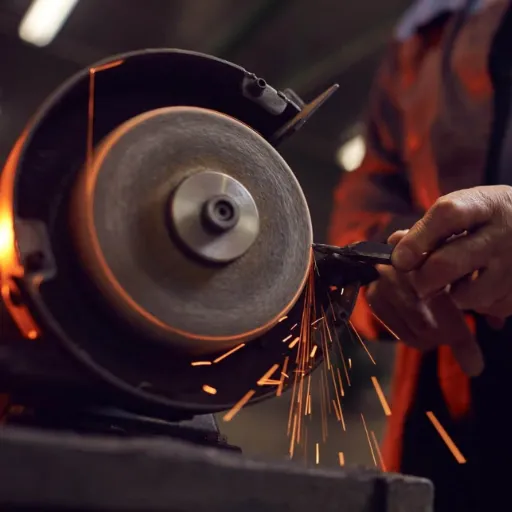
Ring testing is a straightforward but very effective method for determining the reliability and safety of a grinding wheel prior to its use. This practice not only eliminates the danger of the wheel breaking but also helps in the identification of cracks or weaknesses in the structure of the wheel that might cause it to fail during operation. The following is an extensive guide on how to carry out a ring test step by step:
Visual inspections are necessary in the grinding wheel safety and functionality process. Start by examining the wheel in good lighting closely, looking for any surface or edge cracks, chips, or deformities. The wheel’s integrity can be compromised by these defects and give rise to possible hazards in its use; thus, they have to be checked and removed beforehand.
The area of the mounting hole should be inspected very carefully, as any damage or irregularity occurring here can result in improper fitting of the wheel onto the machine. Furthermore, be on the lookout for signs of wear, discoloration, or uneven surfaces, which may denote overheating or excessive usage. All the abnormalities detected shall instantly require the wheel’s replacement to eliminate the risk.
Finally, check that the wheel has not been subjected to humidity, as this would ruin the structure. Always keep wheels in a dry, constant environment to safeguard their integrity. The periodical visual inspections, together with the safe handling and storage methods, are the key factors in avoiding accidents and keeping up with safety standards.
Your grinding wheel safety test will start with the “ring test”. This means that, at first, you will need to do a very simple, yet very effective, safety test which is to tap the wheel with a non-metallic object like a wooden mallet or a plastic handle. A healthy wheel will emit a clear ringing sound while a cracked or damaged one will give out a dull dead sound. Always make sure the wheel is clean and dry before doing the test because moisture or dirt can affect the outcome.
Then proceed with conducting a meticulous visual examination of the wheel before mounting or using. Look for any signs of damage that are visible like cracks, chips, or uneven wear. Should any of these problems be present the wheel must not be used and must be replaced right away. Also, check that the wheel’s expiry date, which is usually indicated on its label, has not been reached. Using a grinding wheel that is past its expiry may lead to its structural integrity being compromised and thus the risk of accidents being increased significantly.
Lastly, make sure that the grinding wheel is all properly mounted and firmly fixed to the machine. It would be best to follow the manufacturer’s recommendations in order to achieve correct positioning and not to tighten too much as this may cause stress fractures. Before operation, let the wheel run at full speed for about one minute in a designated area. Keep an eye on and listen for any vibrations or noises that could mean a problem. If everything looks good, the wheel is good and safe to use. Making these safety checks your priority will not only help you avoid accidents but also give you an uninterrupted and effective grinding process.
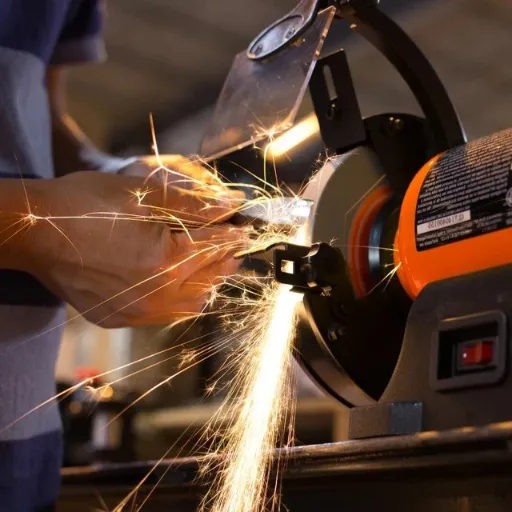
Identification of the grinding wheels wear patterns is a very important task. This is because understanding the wear patterns enables the use of grinding wheels safely and efficiently. One of the most common wear patterns is known as glazing, which happens when all the abrasive particles on the grinding wheel become blunt and the pores of the wheeling are very thick since the particles of the wheel are not able to penetrate through it. As a result, a smooth and shining surface is created which cuts the ability of the wheel down. In order to solve the glazing problem, the dressing of the wheel is done quite frequently so that the fresh grains of the abrasive are revealed.
Another common wear pattern is unevenness in wear, which is the loss of the grinding wheel material in an irregular manner. This can cause a situation where the grinding wheel is not balanced and, consequently, makes it vibrate a lot during operation. Many factors can lead to uneven wear, such as wrong mounting, too much pressure, and wrong wheel alignment. A very easy and effective way to avoid this problem is by doing regular inspections of the wheel and making sure it is properly mounted and aligned.
Lastly, it is important to look for signs of damage like cracks or chips. The use of a damaged wheel is a major safety concern which should always be avoided. A very simple tap test can easily determine if a wheel has any cracks—if the sound is clear and has a high pitch the wheel is not damaged but if it is dull, the wheel is most probably damaged. So, always make it a point to replace wheels that have damages that are visible as this ensures operation that is both safe and effective. Besides, regular monitoring and wear patterns interventions will actually elongate your grinding wheel’s life and additionally increase overall performance.
The process of glazing on a grinding wheel comprises the dulling and smoothing of the abrasive grains at the surface of the wheel. This is a result of the generation of excessive heat or the accumulation of workpiece material on the wheel. The grinding wheel ceases to cut when it is glazed, which leads to a drop in efficiency and possible harm to the workpiece.
The only way to fix glazing is by continually dressing the grinding wheel. Dressing gets rid of the outer layer of dull abrasive grains and exposes the fresh, sharp grains beneath. Thus, the process revives the wheel’s cutting capability and guarantees uniform wear. Proper dressing tools suited for the type of grinding wheel being used, such as dressing sticks or diamonds, should be deployed.
Glazing can be prevented by adopting the appropriate operational practices. Always ensure that the grinding wheel is correctly matched to the material being processed and that excessive pressure is not applied during grinding. Moreover, the correct grinding speed, along with the use of coolant or lubrication, can help to minimize the occurrence of glazing while maintaining consistent performance and prolonging the tool’s life.
Grinding wheels’ out-of-balance situations can adversely affect both performance and safety to a considerable extent. The aforementioned situation is that the mass of the wheel is not uniformly distributed, which leads to vibrations during the grinding operation. Inconsistent grinding results, a quicker rate of wear on the wheel, and even damage to the machine itself might be the resulting chain of events from such vibrations. Thus, recognizing and taking care of these problems in no time is very important to maintain the grinding processes’ efficiency and safety.
Excessive vibration or noise during the operation is one of the main signs of an out-of-balance condition. Operators tend to see rough areas on the workpiece or feel the grinding process harder to control. Moreover, the wheel’s visible uneven wear might point out that it is actually unbalanced. On the other hand, if you carry out regular inspections and monitor the grinding performance, you might be able to spot these signs before they become too severe.
To fix the out-of-balance situations, it is very important to check the mounting procedure first and confirm that the wheel is properly and evenly mounted to the spindle. Then use balancing tools like balancing stands or electronic balancers to find where the weight distribution is unequal and make corresponding adjustments. If you carry out regular maintenance and stick to manufacturer recommendations, you will most likely be able to avoid imbalances, which will result in the longer life of the grinding wheel and improved overall operational efficiency.
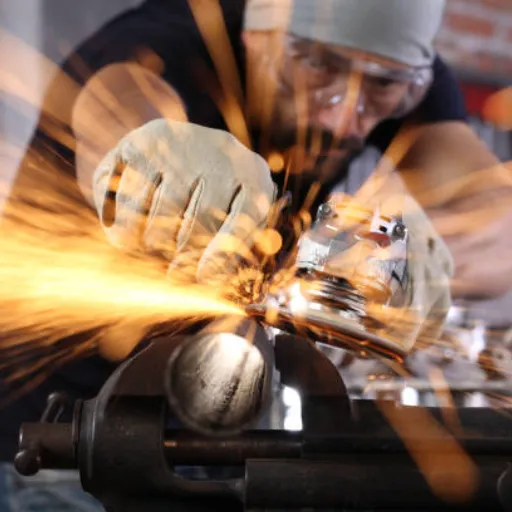
Storing grinding wheels in the right way is very important for safety and grinding wheels longevity. Dry, clean, and temperature-controlled places are the only suitable places for grinding wheels to avoid being damaged by moisture or heat. Make sure that no oil, grease, or anything else that can damage the wheel’s structure over time is in the storage area. It is also very important to store the wheels vertically on a flat and stable surface to prevent warping or cracking.
Besides proper cushioning, avoid stacking wheels directly on top of one another. Use dedicated racks, shelves, or bins specifically designed for grinding wheels to keep them organized and protected. When possible, store wheels in their original packaging, as it provides additional protection and helps keep them clean until use. Labeling storage areas and maintaining clear inventory can further prevent wheels from being mishandled or misplaced.
Finally, always carefully inspect wheels before mounting and using them when retrieving them from storage. Look for any signs of damage, such as cracks, chips, or deformities, which could compromise performance or safety. Following these practices will significantly reduce the risk of accidents, enhance operational efficiency, and prolong the lifespan of the wheels.
For safe wheel handling and usage, it is vital that the proper lifting methods are always used to stop injuries from happening. If you have to move heavy wheels, do not rely on your strength only but rather use suitable lifting tools that abound, such as hand trucks, dollies, or forklifts, so you will not get strained or involved in an accident. Moreover, it is necessary to make the workspace free from obstacles in order to keep a safe environment while moving the wheels around.
For wheel mounting, make sure that the wheels are securely fitted as per the manufacturer’s specifications. Check once more that all fasteners are tightened and that the torques prescribed are being used. Loosening during the operation may lead to instability or even damage, which is where this step comes in. Dealing with the specific wheel type tools is important to getting a secure and accurate fit, so apply them accordingly.
Infrequent inspection and maintenance increase the danger and shorten wheel life. An inconsistent schedule for checking the situation is of paramount importance and fixing it will cause the loss of operation only. Besides, the cleaning of wheels should be done regularly in order to remove dirt that may interfere with their functioning and also to discard the parts that have a weak spot or any other kind of weakness up to the point that the performance is not only reliable but also thrifty.
The regular maintenance and inspections are very essential for the proper operation of machines and equipment. To keep the best performance, it is important to set up a precise schedule for the routine checks. This will include checking the parts such as wheels, bearings, and other moving parts for signs of wear or damage. Check for cracks, rough spots, or any dirt that might be stopping the parts from working properly. Regular cleaning should also be part of these inspections to prevent buildup that may affect functionality.
One of the most important things is sticking to a uniform checklist for inspections. This checklist should incorporate actions such as checking alignment, verifying lubrication levels, and listening for any noise coming from the machine that is not normal during operation. It is very important to change the parts as soon as any weakness or failure is detected to reduce the time the machine is not in operation and the occurrence of accidents. Recording inspection results can help track patterns of wear and predict future maintenance needs.
To sum up, safety and efficiency should always be in the maintenance routine. All maintenance-related activities should be carried out by skilled workers who are properly equipped with safety tools and who are aware of safety procedures. Inspection that is planned not only extends the life of the equipment but also cuts down on the occurrence of failures that are hard to predict, thus keeping the operation smooth and economical. By taking a preventive approach to maintenance, companies can avert more severe problems and continue to enjoy dependable performance.

The grinding wheels that are safe and efficient to use will only be among those that comply with the industry standards. One of the main standards here is ANSI B7.1, which was set by the American National Standards Institute and it specifies the safety measures for the use, care, and protection of abrasive wheels. The standard points out the wrong ways of storing, labelling, mounting and using grinding wheels that should be avoided in order to prevent accidents among others. In addition to this, rigorous requirements are set for grinding wheels in respect of speed ratings, which ensures that they are not operated beyond the maximum allowed speeds.
In addition to this, the safety precautions also cover the proper personal protective equipment (PPE) of the workers, including safety goggles, face shields, and gloves, which protect the workers from the possible dangers of flying debris and abrasive dust. The Occupational Safety and Health Administration (OSHA) estimates that almost 40% of grinding-related injuries are due to improper tool maintenance or misuse, thus pointing out the necessity of giving due compliance to safety procedures.
Innovations such as vibration-dampened grinding tools and digital sensors that monitor wheel conditions have come in as recent advancements, thereby adding an extra layer of preventive measures.
Regular training and certification of operators will still play a crucial role as they will be the ones to detect the worn-out or damaged wheels, and replace them in a safe way. Power and equipment are not the only ones protected by compliance with the standards; worker protection and productivity through less downtime caused by equipment failure or injury are also benefits of compliance. The companies that follow such good practices experience not only better running of things but also a deeper commitment to the health and safety of the workers.
In summary, by implementing these safety measures, organizations not only comply with the law but also take a proactive position in protecting their staff and keeping up the level of production.
The implementation of a precise tool and a proven technique to effectively discover hazards, defects, or inefficacies is the mainstay of a successful inspection program. The most widely used tool is perhaps a detailed checklist, especially designed for the various operations being inspected. By using checklists, one is sure that nothing critical gets missed during the whole process and also a proper uniformity in the approach to the inspections is maintained.
An important and at the same time indispensable method is visual inspection in which the skilled personnel closely scrutinize the equipment, the facilities or the work environment for any signs of wear, damage, or unsafe conditions. Along with the use of magnifiers or borescopes that are specially designed for accessing the hard-to-see areas, visual inspection can be a source of very useful information about the condition of the physical assets. To achieve more precise results, many industries also resort to non-destructive testing (NDT) methods, which allow the testing of components without destroying them. These consist of ultrasonic testing, radiographic testing, and thermal imaging for the different types of materials and issues being analyzed.
And finally, the digital technology application can turn out to be a splendid enhancement for the inspection operations. The software and the data collection tools are the means of automating reporting, tracking maintenance schedules, and analyzing trends over time. Moreover, the use of drones and remote-controlled devices for inspecting hazardous or difficult-to-reach areas is becoming more common, and it is contributing to the improvement of both safety and efficiency. The fusion of human vigilance with the latest technology guarantees an inspection process that is not only thorough but also dependable.
A: The most efficient method to examine the safety of a grinding wheel is to start with a visual inspection where you look for cracks, chips, or deformities. Then confirm that the grinding wheel fits well on the grinder’s arbor and the rpm is compatible. If you’re still not sure, it’s always better to refer to the manufacturer’s specifications or buy a new wheel instead.
A: The most important points of the bench grinder wheel inspection are checking if the grinding wheel is worn out, for instance, one might see uneven surfaces or the wheel might change from the original color. Besides that, it should also be ensured that the wheel is not rusty and that it is secured well with guards around it to reduce the risk of the wheel bursting during operation.
A: A broken grinding wheel may indeed hurt the user seriously. The shattering of the wheel during the operation can lead to quite a dangerous situation since the parts can go flying and might hurt someone. Always put on the safety glasses and do a quick check of the wheel before using it.
A: The grinding wheel should be changed when a user sees considerable wearing, such as a reduction in thickness and alterations in shape. The wheel will have to be changed when it starts vibrating too much or when there are visible cracks.
A: For metal applications, hard aluminum oxide wheels are often recommended because of their effectiveness and long life. For specific jobs like deburring or cutting, make sure that the wheel’s grit size matches the job.
A: A safe bench grinding operation consists of wearing safety glasses, ensuring work is secure, and adopting a proper stance at all times. Always use the correct grade wheel for your application and never exceed the wheel’s maximum rpm rating.
A: Conditions that can lead to the bursting of a grinding wheel include using an incompatible wheel with the grinder’s rpm, applying excessive force during grinding, or using a wheel that has cracks or other defects. Always look out for such problems before working with the wheel.
A: The things that you can rely on to confirm that your grinding wheel is suitable for wet applications are the specifications provided by the manufacturer that indicate what kind of bond is used for that particular wheel. Generally, ceramic and vitrified wheels are more available for wet applications but still, check first if they can take it to avoid damage.
A: Grit size serves as the main factor in deciding how rough or smooth the grinding wheel will be. A fine grit is the one that is mainly used for polishing jobs, while the coarse grit is the one that is preferred for the first shaping of the piece or for heavy material removal. One of the most important steps towards getting the right application results is finding the most suitable grit.