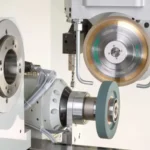
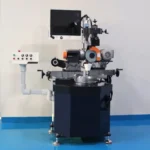
Revolutionary CNC Grinding Wheel Dresser
Transform your grinding operations with precision wheel dressing technology that delivers unmatched accuracy, reduces downtime, and maximizes productivity.


The condition of your grinding wheel is a large part of the precision and efficiency of the milling process. With time, grinding wheels may lose their ability to cut, get glazed over, or even become uneven, which will lead to poor performance and inferior outputs. Then a dressing machine for the grinding wheels becomes a must. This tutorial aims to clear up all the misconceptions about the dressing of wheels, offering you some proactive measures and expert secrets to keep your wheel in top condition for high performance. The article is prepared for every level of knowledge, even beginners; so, the one using a grinding wheel dressing machine will be guided through all the details for effective use that will result in increased precision, wheel life, and saving of costs.

Grinding wheel can be referred to as a working tool for the purposes of cutting, removing, or finishing the material from the workpiece through the various roles of machining and grinding processes. It is made of basically a mixture of the abrasive materials together with a binder. The abrasive part of the wheel is the one that acts as the cutting tool, and it is the one that shapes, sizes, and finishes the material accordingly, depending on the desired properties. The grinding wheels have a great role in precision machining and they can be used for metals, ceramics, and a wide range of other materials as well.
A grinding wheel design incorporates the three main elements: the abrasive grains, the binding substance, and the air spaces. The grains of abrasive are the ones that carry out the grinding and the binding substance is the one that keeps the grains in a particular formation. The air pores are partially responsible for the cooling of the grinding wheel through the passing of air or fluids, thus preventing the wheel and the workpiece from overheating. The selection of the type of abrasive and bond material is usually done according to the application and the material that is to be worked on.
In manufacturing, construction, and automotive industries, the use of grinding wheels is very common and it is still growing. This can be attributed to their important roles in different applications, from sharpening tools to getting very fine finishes in metalworking. The wide variety of design, size, and composition gives the grinding wheels the ability to meet different requirements, thus making the grinding tasks very efficient and of good quality.
One of the main reasons for dressing a grinding wheel is to keep it at its best and capable of giving very accurate and precise cutting. Grinding wheels face such conditions that they get glazed over or clogged up with dust and dirt over time. This hampers the wheel’s cutting abilities and can also affect the quality of the work negatively. Through the process of dressing, the grinding wheel gets restored to its original sharpness by getting rid of the loaded material and unearthing the rough and new abrasive particles, which leads to optimal performance
Apart from that, dressing is another very important factor that helps to keep the grinding wheel in the correct shape and balanced. The wheel can get uneven or distorted due to continuous use, which will result in vibration, loss of accuracy, and even safety hazards during the operation. Dressing the wheel guarantees an even surface and exact geometry, thus allowing for high-quality finishes and precise cuts.
In addition to this, the dressing process increases the life of a grinding wheel to the maximum. Maintenance done regularly will prolong the life of the wheel that it functions at its best during the time available, thus turning the need for frequent replacements into wear and tear. This not only saves money but also increases productivity as a well-dressed grinding wheel allows for uninterrupted operations thereby no stoppage of work. Dressing is, thus, a fundamental maintenance procedure for grinding tasks in terms of efficiency, safety, and durability.
Grinding wheel dressers are the important tools that are used in the maintenance of grinding wheels in the right shape and with all their functionalities. The dressing process is done by cleaning the wheel, leveling its surface, and uncovering the new abrasive grains; so all this is done to the grinding wheel to make it efficient again. This is a very important procedure that not only brings about accuracy in machining but also the maintenance of the grinding wheel. The performance and accuracy of grinding tasks will be improved if the grinder dresser is being used constantly.
There are different types of grinding wheel dressers for different applications. The most used types are diamond dressers, single-point dressers, and rotary dressers. Diamond dressers are very expensive but of high precision and durability, while single-point dressers, on the other hand, are cheap and are used for light dressing. Rotary dressers, however, are perfect for heavy-duty or automatically done tasks. The choice of the right kind is influenced by the nature of the grinding wheel material, the degree of wear, and the precision of the task.
The safe and efficient operation of grinding wheel dressers relies heavily on their proper usage. It is very important to make sure that the wheel is held tightly before dressing and to respect any related guidelines on speed and pressure to prevent damage or injury. The dresser as well as the grinding wheel will last longer if they are regularly monitored and maintained. With the right measures done, grinding wheel dressers can have a major impact in the machining process by being the reason for the whole operation being smooth and the product being of top quality.
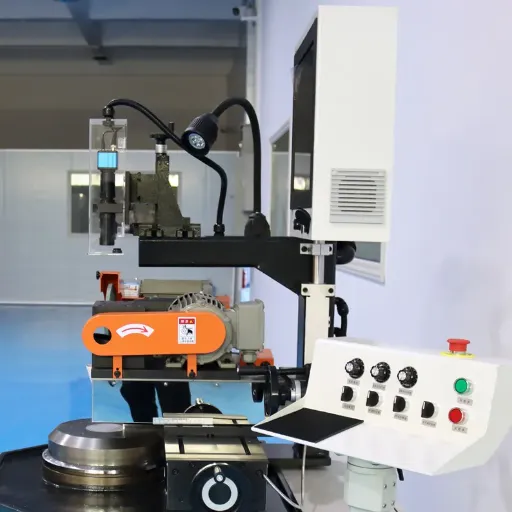
In the machining industries, standard grinding machines are indispensable tools that with the help of great accuracy, shape and finish materials. The workpiece is perfectly sized and has the desired surface quality due to the removal of material through a grinding wheel that rotates at a very high speed. The grinding machines are indeed versatile and widely used for different purposes like making of metal components, and surface refinement where the functionality is the ultimate goal.
Among the standard grinding machines, the surface grinder is the one. It is meant to apply smooth and even finish to flat surfaces. Horizontally aligned grinding wheel retracts and returns over the workpiece. Another variety is the cylindrical grinder specifically used to shape a workpiece’s external or internal cylindrical part. Grinders are provided with a rotating mechanism making it possible to deal with materials of different diameters and lengths.
For these machines, precision in operation and employee maintenance are the two main factors that determine their optimal performance. The operators must ensure that the grinding wheels are dressed and inspected for wear regularly, and that the machine itself is kept in perfect alignment. The standard operating procedures and the maintenance of the equipment can lead to the consistent results and the operational life extension of the standard grinding machines thus guaranteeing the effective and reliable machining processes.
In precision-critical industries, tool and die grinding machines play a vital role. These machines provide the proprietary shaping and sharpening of the tools and dies, thus allowing the production of items in an exact manner. The machines improve the accuracy and quality of the final products by preserving the right cutting edges and sizes. They find their usage mainly in the fields of mold making, engineering and metalworking.
The performance of the grinding machines depends on their capability of providing uniform results. Regular service and following the operating directions are very important for their good performance. The operators have to do regular checks of the equipment, alignment and the condition of the grinding wheels. Proper maintenance prevents inaccuracies, keeps the equipment running, and increases the working life of the tools, resulting in more productive and efficient processes.
Tool and die grinding machines have also made the workplace safer. Ground and well-maintained tools lessens the chance of equipment malfunction or tool being broken during operations. Workers can carry out their work without any doubt tools are accurate and reliable. Ultimately, these machines are crucial in any industry demanding high levels of precision and efficiency.
The machines for grinding that are specialized have been made to do certain and advanced grinding which is unique in different industries. Such machines have gearing grinders, cylindrical grinders, surface grinders, and others like tool and cutter grinders. Each one is a solution to a grinding issue and is thus capable of ensuring precision and efficiency in the manufacturing process. For instance, gear grinders are made to produce the gears to exactness, whereas surface grinders give a wide selection of materials a smooth and flat surface liberally.
The major benefit of specialized grinding machines is the capability to improve the quality and productivity at the same time. Their tailored applications make contact that is e.g. tight, thus, they reduce errors and wastes. They more than double the production time and at the same time, keep the quality level high hence, they are used in industries, such as automotive, aerospace, and manufacturing, where precision is an absolute must.
Moreover, specialized grinding machines are also of great importance in terms of cost-effectiveness and operational safety. High-precision grinding consumes less material, thus, making the production process more costly in the long-run. At the same time, operators are protected from possible dangers because of the advanced safety features included in many specialized grinders, thus, safer working conditions are created. All in all, specialized grinding machines are the modern-day industries’ mainstay when it comes to the adoption of the latest technology and production of quality products.

High-quality grinding wheel dressers are necessary tools for the maintenance of the lifespan and the efficiency of grinding wheels. Their main function is to reshape or cleanse the abrasive surface of the grinding wheel, which results in the best performance and precision over the entire machining process. Therefore, high-quality grinding wheel dressers are a prerequisite in the grinding process because they take off the wornout abrasive grits and debris from the wheel’s surface thereby reshaping and sharpening the wheel which in turn results in the formation of consistent and precise products.
The grinding wheel dressers are of different varieties, such as single-point dressers, multi-point dressers, and diamond dressers. Each one has its own specific applications and it also depends on the material being worked on and the precision level required. For instance, diamond dressers are best for precision work as they are hard and tough. The choice of the right type of dresser is a determining factor in the life of the grinding wheel and the quality of the finished product.
The appropriate application of grinding wheel dressers also contributes to the safety of the workers. A grinding wheel that is in good condition decreases the likelihood of accidents that may occur due to wear or fractures. Dressing the wheel regularly will also contribute to the reduction of vibrations and the improvement of both the operator’s comfort and the machine’s life. The application of high-quality grinding wheel dressers in the industries´ maintenance programs will result in increased production, pointed machining outcomes, and safe working areas.
Various forms are available for the dressing tools of the grinding wheel, and each one is particularly made for either mending up or renewing the grinding wheel’s abrasive surface. The selection of the dressing tool is done based on the particular application, material, and precision needed. Below there are the primary dressing tools types:
Diamond dressing tools are the most frequently used and efficient options. By utilizing industrial diamonds, the dressing tools help to remove the grinding wheel’s material and to sharpen the abrasive grains at the same time. Amongst these dressing tools, one can find single-point diamond dressers which are very good at working in the applications that require high precision and multi-point diamond dressers that quite efficiently perform under heavy-duty conditions. They can side with other tools due to their durability and precision but if compared, they certainly are expensive.
A rod carries these star dressers consisting of multiple star-shaped discs. The surface of the grinding wheel can be dressed by manual or mechanical rotation of these tools. Their precision characteristics are inferior to those of diamond dressers, but they are a lot cheaper and thus a good option for basic grinding wheel maintenance.
They come in the form of dressing tools, which have a cylindrical or tapered shape with diamonds often embedded in them. They are known for their consistency and extremely high precision, thus being perfect for repetitive dressing operations in the industry. The automotive and aerospace industries have benefited from the application due to their strict accuracy requirements.
Stationary dressing tools such as single-point dressing tools, are secured in one place on a grinding machine. They are a user-friendly, low-tech, and reliable option for treating several types of wheels, but skilled operation may be necessary to get the best output.
The sticks are made from abrasive materials, and they are the manual way of applying to reshape or clean the grinding wheels. Their versatility and low-cost nature are the advantages, but they need to be replaced often due to the wearout.
Selecting the right dresser for your grinding machine is a multifaceted process that should consider not only optimal performance but also cost-effectiveness. Among the various factors that need to be considered when making your choice are the following ones:
The grinding operation’s specific type plays a significant role in your decision-making. For precision work diamond dressers are the best since they offer high accuracy along with their longevity. On the other hand, rotary dressers can cope with huge weight and they are noise free also.
Hardest materials like steel and ceramics will normally need more robust dressing tools like CVD diamond dressers while soft or non-abrasive materials will be able to use handheld dressing sticks which are cheap, simple and easy to use.
The wheel size and type are important for dresser compatibility. Usually, larger wheels perform better with rotary dressers if cleaning and reshaping are done, while smaller ones can still use single-point dressers or dressing sticks for effective cleaning or reshaping.
There are grinding jobs that need the wheel to be dressed frequently in order to maintain efficiency. In such cases, multipoint or cluster diamond dressers are very helpful since they have a longer life span and they deliver performance that is consistent throughout.
The restriction of the budget may be a factor in deciding on the dresser. The use of handheld dressing sticks is a less expensive choice yet these tools will need to be replaced frequently. Diamond tools are on the opposite side of the scale, they are quite expensive as an initial investment but their life span is extensive and their performance is excellent.
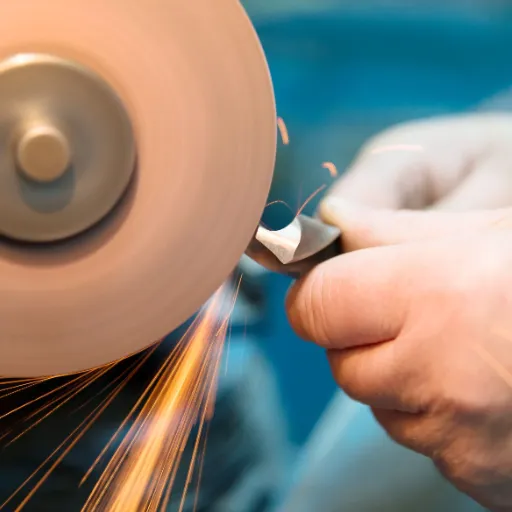
Before you get started, make sure to wear the right protective clothing such as safety goggles, gloves, and thick clothes. Thus, the hazards such as flying pieces of wood or dust made during the dressing will not get to you. The ground wheel and also the area around it should be cleared from obstructions and made secure as well.
Thoroughly scrutinize the grinding wheel for any signs of cracks, irregular wear, or damage. Using a defective wheel may not only be a safety issue but also result in the product having an uneven finish. If the wheel has any flaw, then its replacement is imperative before the dressing operation so that the process will be safe and efficacious.
Choose the dressing tool that is right for the grinding wheel type and needs. Check whether the tool is in good condition, properly aligned, and mounted securely if this is the case. This preparation step not only aids in keeping the dressing process accurate but also in extending the life of the grinding wheel’s efficiency.
When the above steps are meticulously followed, the grinding wheel gets preserved, its life is prolonged, and operational efficiency is guaranteed. Wheel dressing is an activity that boosts the wheel’s performance and, in fact, is a major contributor to improving machining results significantly.
Once the dressing procedure is finished, there are some very important checks to confirm that the grinding wheel is ready for its best performance. The first step is to do a visual inspection of the wheel to check for any cracks, rough areas, or other indications of damage. Any of the defects that are visible may endanger the safety and therefore must be removed right away.
After that, check that the grinding wheel is firmly installed and perfectly balanced. A wheel that is not balanced can cause vibrations which will have a negative impact on the machining quality and at the same time, pose a danger to equipment or personnel. If needed, use a balancing tool to make sure that there is no movement before you proceed.
The last point is to try the dressed wheel on a small workpiece in a trial-and-error method before using it in full-scale production. This will be a way to ensure that the wheel gives the desired results and works without any problems. Besides, these checks are very important for safety maintenance, wheel life extension, and optimum machining results realization. One would think that carrying out these post-dressing checks is not just a way of confirming that the equipment is in a good state but also a means of supporting repetitive and accurate working.
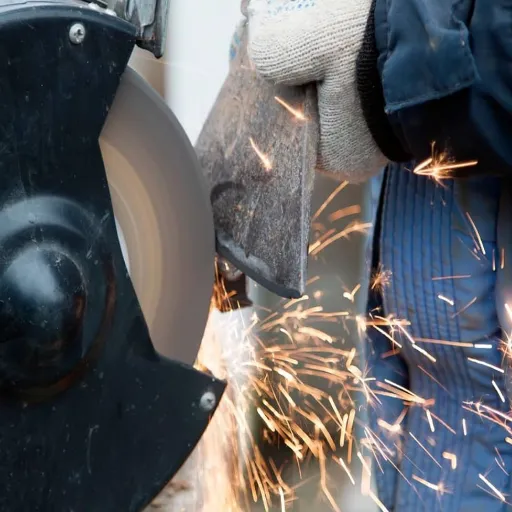
The frequent and systematic inspection and cleaning of the grinding wheels are crucial practices that not only enhance but also prolong their life through optimal performance. Begin with a visual inspection of the grinding wheel, looking for cracks, chips, or uneven wear. Cracks are very dangerous since they are likely to break the wheel during use hence causing serious injuries. In case of any visible damaging signs, the grinding wheel must be replaced at once to avert mishaps.
The cleaning done to the grinding wheel with high frequency ensures that the cutting effectiveness is retained. A soft brush or a specialized cleaning stick should be used to draw off debris, metal particles, and any material that has built up between the grits. If the debris is left to accumulate, it will not only hinder the grinding wheel’s efficient performance but also lead to a reduction of the grinding quality and speed. Always carry out the removal of debris very slowly so that there is no possibility of accidental damage to the surface of the wheel.
Besides, always check that the grinding wheel is correctly mounted on the machine and well-balanced. A grinding wheel that is not balanced will definitely vibrate which will result in uneven wear and also pose danger to the operator. Maintenance that involves regular checks will include grinding wheel inspection and cleaning, and it will not only ensure safety but also prolong the grinding wheel life while offering consistent results.
The proper storage and handling of grinding wheels greatly contribute to their performance and the safety of the operators. Always make sure to store the grinding wheels in a dry, clean, and stable environment to prevent lowering their quality or even damaging them. The storage area should be kept away from moisture, high humidity, or extreme temperatures, as these factors can deteriorate the structure of the wheel over time. The wheels should be stored preferably in their original packaging or on racks specifically made to avoid warping or breakage.
During the handling of grinding wheels, care should be observed to prevent dropping or hitting them as such could lead to visible and non-visible cracks and damage respectively. Pre-usage inspection of the grinding wheel should be done to ensure there are no chips, cracks, or any signs of damage. It is also advisable to wear proper hand protection that is proper during handling to lower the risk of injury.
Moreover, follow the manufacturer’s instructions regarding the stacking or transporting of grinding wheels. Too much stacking or improper relocation can cause the wheels to experience pressure leading to shape change or even breaking. Conduct an inventory check regularly to ascertain the condition of all the stored grinding wheels so as to know if they are safe for use or not. Besides the benefits of extending the lifespan of grinding wheels, implementing these practices will also promote a safer working environment.
One among the many issues related to grinding wheels is their cracking or breaking, which occurs because of improper handling or storage. Dropping of wheels, excessive pressure, and unsuitable environments for storage are some of the factors that lead to this. To avoid cracking or breaking, always check the wheels before using them and adhere to the best practices for storage recommended by the manufacturer, like keeping them in a dry, temperature-controlled area and not stacking them too high.
Another issue is the unevenness of the surface of the grinding wheel, which may cause imprecise grinding and might even be a safety hazard. Uneven wear often occurs when the wheels are incorrectly mounted or when too much force is used during operation. Regularly checking the alignment of the grinding wheel and the machine’s condition can help to reduce this problem. Besides, the operator should apply uniform pressure and should not push the wheel through the workpiece.
Also, overheating is one of the most common problems that can lead to the grinding wheel getting ruined, and the material being worked on, getting damaged. The burning of the wheels in most instances is due to their prolonged and uninterrupted use without breaks or the friction due to the incorrect speed or pressure used is excessive. To cool down the grinder, set it to the specified speed for the material and the wheel that is being used. Cooling strategies like using coolant fluids or taking short breaks can also save the grinding wheel and the workpiece from heat damage.
A: Wheel dressing plays a vital role in grinding operations; actually, it is the backbone of grinding. The grinding wheel’s surface finish and grinding efficiency are kept intact by this process, which not only removes the dull abrasive grains but also exposes the sharp ones. It is really important to perform this process for attaining precise grinding and for eliminating the chances of an inferior surface finish on the workpiece.
A: When it comes to effectively dressing a grinding wheel, it is advisable to dress the wheel step by step. First, make sure that the wheel is mounted very securely to the spindle of the grinding machine. Then, make use of the dressing tool of your choice, like a diamond dresser or a star dresser, to create a contact spot all over the surface of the wheel. Then, position the tool on the rest to get the depth of cut you want and also make sure that the whole wheel is dressed uniformly.
A: The list of dressing tools for grinding wheels is long, consisting of diamond dressers and single-point dressers, among others. Diamond dressers have diamonds that are minute and inserted in their tip, in contrast to single-point dressers which carry a single diamond point that may be used for radius dressing or truing the wheel’s surface. Each type is recommended for specific dressing operations based on the characteristics of the wheel and the required surface finish.
A: Diminished grinding performance is one of the first signs that a grinding wheel needs dressing, together with the increased sparks and dust during operation, and an inability to obtain a proper surface finish on the workpiece. Moreover, uneven wear of the wheel or clogging could also be an indicator that you need to dress the wheel and make it effective again.
A: Dressing a wheel is one of the key factors that has a great impact on grinding efficiency by basically cutting off the coarser and dulling the wheel which results in a non-productive condition. The wheel surface is dressed properly to the point that it obtains the right temperature and conductivity; so, it can quickly and easily remove material, causing the surface finishes to be good and the grinding of the parts to be fast. A proper wheel dressing also helps reduce the chances of overheating and it supports adding the life span of the abrasive material used.
A: The use of a grinding wheel dressing machine requires a strict adherence to safety measures to ensure the prevention of accidents. Always put on the right personal protective equipment, which could be made up of safety glasses and gloves. Check that the machine is working properly and that the wheel is firmly attached to the spindle. Be careful with the sparks and dust that are produced during dressing; also keep the working area clean and without any items that might obstruct your movement.
A: Certainly, the aluminum oxide wheels can be dressed with the diamond dressers after which they will be in good condition for use. The reason is that diamonds can penetrate the aluminum oxide material and so revealing its sharpest grains and it will be as if the wheel has been renewed. However, the depth of the dressing tool must be adjusted so as not to cause an excessive feed on the wheel and the dressing tool.
A: Even though dressing and truing are interrelated steps, they differ in that truing aims for a perfect shape and balance of the wheel and thus, accurate grinding. Dressing is a matter of dull, worn-out abrasive grains removed from the surface of the wheel, exposing fresh cutting performance using the prescribed technique. Thus, both processes are essential for the grinding wheel’s continued effectiveness.
A: For optimal performance of your grinding wheel, regular monitoring for wear and clogging signs should be conducted. The dressing schedule should be based on usage to ensure that the wheel surface is well-made and kept in good condition. This routine should reflect the degree of wheel usage. A dry place should be the designated location for the wheel, as it reduces the moisture attack and while also making sure that during the operation, the spindle and tool rest are properly aligned. These things done together can help a lot in extending your grind wheel’s life and, likewise, your performance in grinding.