Revolutionary CNC Grinding Wheel Dresser
Transform your grinding operations with precision wheel dressing technology that delivers unmatched accuracy, reduces downtime, and maximizes productivity.


Grinding wheels are important equipment in many manufacturing and metalworking operations, and weaving very high-quality wheels can face some issues with time. Uneven wear, poor performance, atypical vibration, and excess heat buildup are a few of the problems experienced that affect your operations. This blog post attempts to distinguish common grinding wheel challenges and provide practical ways to keep your tools performing. Ensuring that you know how to troubleshoot these few challenges will save you time, money, and frustration-doing so will give you a leg up over more experienced machinists. Let’s explore some pro tips about the ins and outs for keeping your grinding wheels in fine shape.

Grinding wheel being an indispensable tool in machining and manufacturing, it is necessary to address its problems with all due expediency; the threats to efficiency and safety are equally paramount. Improperly maintained grinding wheels give way to unequal finishes, diminish precision, and take a longer time on a job. Addressing problems as they arise ensures consistent performance, better finish, and improved productivity; failure thus not only wastes one’s time but also wastes money on avoidable repairs or replacements.
Safety is yet another key argument for getting grinding wheel challenges addressed. Grinding wheels, when damaged or wrongly used, represent great perils, including breaking up and causing injuries. Periodic inspections and rectifications reduce these hazards and foster a safer work atmosphere. Safety measures such as employing the correct type of wheel for the given job and working with the wheel as per the safest operating instructions, help prevent incidents.
Lastly, addressing grinding wheel issues extends the lifespan of the tool as well as of the machinery. Excessive wear, overheating, or imbalances not attended can be detrimental not only to the wheels but also to the equipment in which they are installed. Properly maintained and well-troubleshot grinding wheels help protect your investment in tools and equipment in every aspect. For that matter, these actions save money and keep things running smoothly in the long haul.
Grinding wheels suffer wear and other functions with the passage of time. On knowing some of the common issues as well as their solutions, one can be sure of its efficacy and safety. Here are some common grinding wheel issues and practical steps to rectify them.
By knowing these problems and applying corrective measures, you can improve the usefulness of your grinding wheels and ensure the working environment is safe and conducive to effective operations. Checking and maintaining the wheels regularly will prevent more dangerous issues from arising.
This guide is meant to help you understand the salient principles of grinding wheel safety and maintenance. Begin by acquainting yourself with those basic precautions that have been explained earlier, including proper mounting, preventing excessive speeds, and checking wheels for cracks before using them. These are really basic steps to take if any grinding operation is to be truly safe and effective.
Then, use it to observe the grind wheels for trouble and learn what needs to be done to remedy any trouble so found. Look carefully at any sign of wear or any signs that the wheels were not performing evenly or in some abnormal way during operation. The repair suggestions are real and give easy implementation for a safe working environment.
Finally, refer to this guide frequently to reinforce good methodology and maintain a spirit of prevention. Preventative maintenance and periodic inspections should be considered causes for extending the longevity of your grinding wheels while in use but should also reduce any hazards possible with their use. Regular use of this guide will complement any attempt at providing a safer and more efficient working environment.
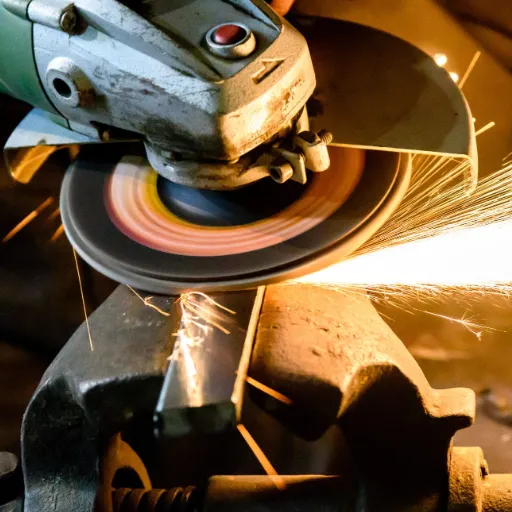
Uneven wheel wear arises frequently as an issue and compromises the efficiency as well as the safety of grinding operations. A key symptom is when the wheel presents an irregular or wavy surface after some operational time, causing grinding to be inconsistent and with a higher chance of the wheel shattering while operating. The user may also feel vibrations or there is excessive noise produced by the running wheel, while both symptoms point towards uneven wear.
Another can be that the operational imbalance is created in the grinding wheel to prevent it from carrying out a smooth operation at high speed. This imbalance will put greater stresses on the machine and on the operator, with the possibility of equipment damage or accidents in some cases of compromise. The grinding process becomes less feeling of control, and the shape workpieces becomes less deserving of their intended smoothness.
✓ Action Required:
If some uneven wear is spotted, action must be taken immediately. It begins with checking the alignment of the grinding wheel and inspecting the mounting system to ensure everything is installed correctly. Orchids should be freed often and dressed with the right dressers to regain an even surface. Surface irregularities are avoided by properly reviewing operating speeds so that a constant pressure can be applied during grinding.
A wheel becomes glazed when the abrasive particles lose their sharpness and the wheel surface becomes smooth and shiny. This usually happens if the grinding wheel is used at improper speeds, too much pressure is exerted during grinding, or an overly hard material for the wheel is chosen. The recognition of such problems at an early stage is important in retaining the efficiency of the process and good workmanship.
Some indications of glazing include a great reduction in the cutting power of the wheel and a great increase in friction between the wheel and the workpiece. There would be almost no sparks during grinding, which is a sure sign that the grinding wheel is not taking away any material. On the other hand, the workpiece suddenly heats very fast to a point of discoloration or surface damage.
💡 Solution:
To remove glazing, check the wheel specs to make sure it is suited to the material being ground. If speeds and pressures are too much, reduce them to recommended values. Dress the wheel with a suitable dresser so that fresh abrasive particles are revealed and the wheel regains its cutting ability. Frequent maintenance and monitoring will ensure the wheel works well and prolongs the life of the entire wheel.
Vibration in grinding wheels can occur from different factors, often leading to inefficient grinding, faster wheel wear, and sometimes safety concerns. Improperly mounted grinding wheels are one of the prime causes for creating imbalances that cause disruption of smooth operation in the grinding procedure. Also, grinding wheels that are damaged or defective cause inconsistency in wheel performance and more vibration. Problems within the spindle are also very common causes of vibrations as they may be misaligned or worn, and that will directly cause instability of the wheel during the operation.
Grinding wheel vibration should be handled by first inspecting the grinding wheel and its mounting. Improper wheel mounting causes an imbalance in the grinding wheel. Cracks or faults in grinding wheels should be inspected before use; if any appear, they must not be used anymore to avoid hazards. Spindle condition should be checked; it should be well aligned and show no sign of wear. Finally, check that machine parameters such as speed and pressure align with the grinding wheel specifications.
The issues of vibration and grinding wheel can be prevented through maintenance and a set of procedures for best practices. Ensuring the equality of the grinding wheel through regular inspection and dressing helps cut efficiently. The spindle alignment should be checked from time to time, and any unusual noise or irregularity in the machine should never be ignored. Using well-maintained and good equipment for your task will further reduce the chances of vibrations. Following these will give you smooth operation, longer life of the equipment, and safer working conditions.
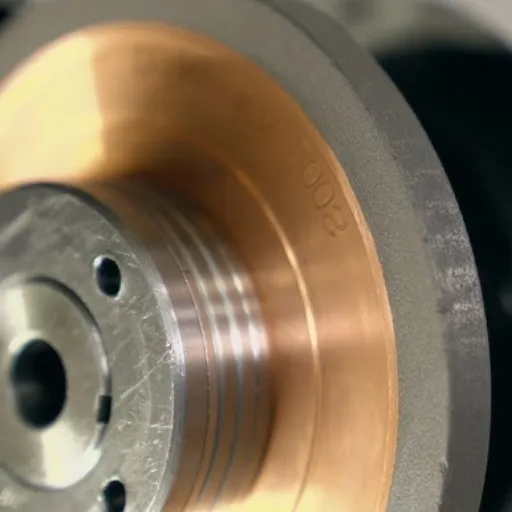
📊 Industry Data:
Recent data from online sources have shown that the regular use of these diagnostic steps helps reduce downtime and extend the grinding machine’s life. As per the latest statistics shared by industries, preventive maintenance has reduced repair costs by up to 35% while simultaneously improving output efficiency by over 20%. Best results are achieved by linking such technologies with manual inspection for vibration and temperature monitoring.
Overheating is a severe problem faced by grinding machines, and it largely has a few underlying reasons. One of them is the lack of lubrication. Lubricants are essential to diminish the frictional effect between parts in motion; otherwise, these components can heat up to a point that they may finish by mechanically failing or losing efficiency.
Another cause is incorrect settings or overloading. When a grinding machine operates in conditions for which it was not designed (that is, excessive different speeds or loads), it will be heated and probably soon fail. Make sure the machine works within its recommended specifications and is not subjected to excessive strain.
The last factor would be poor cooling. Apart from air conditioning, there can also be some more elaborate cooling mechanisms. Air or liquids may be used as coolants to counter… Malfunctioning or underperformance of the cooling system keeps the machine at dangerously high temperatures and must be checked regularly to avoid such situations. Consistently tackling these considerations can help avoid the machine from overheating and being productive for far longer.
The poor surface finish of the machinery or manufactured parts can arise from certain factors like inappropriate tool selection, excessive wear of tools, or incorrect machine setting. When tools are not well suited for the material or an application, then smooth surfaces cannot be produced. Worn tools also cause roughness, for when they cannot cut properly, they tend to destroy the material. Improper machine settings may also affect surface finish, such as wrong feed rates or cutting speeds.
Mainly contributing to a compromised surface finish are issues related to the materials. The type and hardness of the material being worked on have a primary say in ensuring that the finish is as desired. Some materials require special tools or machining methods to get that smooth finish. A contaminated or inconsistent raw material might affect the surface quality; hence a thorough inspection and preparation of the material need to be carried out before processing.
Last but very important are the questions of machine maintenance and operator expertise. If a machine is not well calibrated or maintained, it may give out vibrations or inaccuracies that actually lower surface quality. Operators, too, must be well trained to complete a task using the appropriate tools, settings, and techniques. Focusing on these areas of concern (tool condition, material quality, and maintenance) can go quite a long way in alleviating poor surface finish problems.
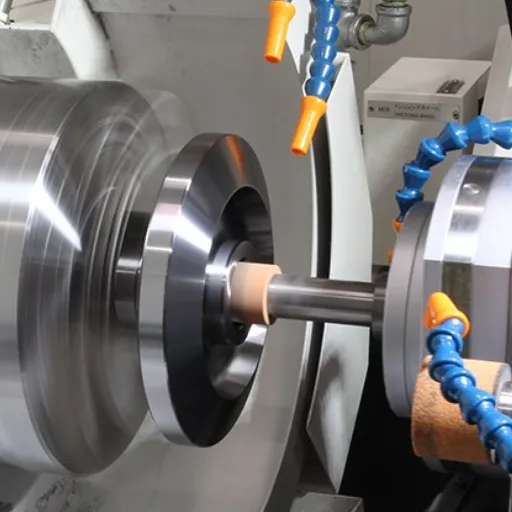
Uneven wheel wear is a common problem in grinding, often created due to improper mounting, setup, or maintenance. For resolving this problem, the first point considered is to see that the grinding wheel is adequately balanced. An unbalanced wheel develops uneven wear and vibration that will adversely affect both the performance of the wheel and its finish on the workpiece. Use a balancing tool and balance the wheel before running it.
Also, check to see that the wheel has been dressed and trued correctly. Dressing accomplishes the cleaning off of surface contaminants and debris embedded into the abrasive layer, while truing brings the wheel back into shape so that it is concentric with the spindle. These operations should be carried out frequently to not only maintain the integrity of the wheel but also to ensure even wear during grinding operations.
In the end, have a look at the setup to ensure it is aligned and supported correctly. If the workpiece is not fully aligned with the grinding wheel, pressure points will arise, leading to faster uneven wear. Look out for any that may be loose, set}, and check the position of the workpiece. Proper upkeep and this attention to detail will largely prevent the uneven wear of grinding wheels, thus ensuring better grinding results.
Wheel glazing takes place when the grinding wheel’s abrasive layers become polished and smooth, thereby losing their cutting action. It is, thus, important to restore the sharpness of the wheel so that it can work optimally.
First, examine the grinding wheel for the glazing problem. This can happen when improper speeds or grinding techniques are used. If glazing is determined, then the wheel would have to be dressed, whereby a dressing tool will be used to strip away the glazed surface, exposing fresher, sharper abrasive grains. This then restores the cutting capability of the wheel and minimizes heat generation during work.
Next, analyze the grinding conditions that feed glazing. Ensure the wheel matches the specification the material is ground to, then adjust either grinding speed or feed rate accordingly. Have proper lubrication or cooling in place; this will eliminate any chance of the temperature rising and will further avert glazing. Keep grinding conditions proper, and a regular dressing of the wheel will maintain its condition for the long haul.
To keep vibration under control, first ensure that all parts are properly tightened and balanced. Check for the proper installation of the grinding wheel and that it is seated evenly on the spindle. Such misalignments or unbalanced wheels will generate excessive vibrations when in use. Therefore, the moment you realize that the wheel is defective or has not been installed correctly, go ahead and replace it before anything else goes wrong.
Next, check the grinder’s condition as a whole, as well as that of its components. A faulty spindle, bearings, or any mechanical components will bring unwanted vibrations. Maintenance, as well as the prompt replacement of these parts, will reduce vibrations and help extend the service life of your equipment. On top of that, place your grinder at a level and secure surface to avoid vibrations that come from uneven placement.
Another option you should consider involves vibration-dampening materials or accessories. Anti-vibration mountings or pads reduce vibration transfer to your hands and less fatigue during clamping operations. Also remember to keep the grinding wheel dressed and clean of buildup for smooth operations and to work within the advertised speed and load limits. All of the above will reduce the vibrations and increase your grinding task efficiency immensely.

Grinding wheels need proper upkeep to be safe, have consistent performance, and ensure a longer life. The following are some of the practices and insights into the latest grinding wheel maintenance techniques:
Maintaining the above practices would ensure that operators are working in safer environments and maintain the efficiency and quality of their grinding jobs.
If these strategies are kept in place and operators keep themselves updated with best practices, they will meaningfully contribute toward promoting long life in grinding wheels while minimizing operational expenses and loss of production time.
For safer and more efficient operation, grinding wheel users need to follow some best practices. First and foremost, they must never use a wheel without inspecting it. It must be checked for cracks, wear, and damage, as this could create hazardous situations during its operation. Check if the wheel is suitable for the working material and see if the speed rating of the wheel matches the machine’s maximum speed to avoid a safety hazard.
The second best practice would be to mount and balance the grinding wheel properly. Unstable mounting can cause vibration, reduce accuracy while working, and cause premature wheel failure. Use all the tools recommended by the manufacturer and carefully follow the instructions in its installation. Avoid over-tightening the wheel flanges since this can also lead to damage of the wheels and unsafe conditions.
In the end, a clean and orderly workspace should be maintained. Adequate safety measures must be kept in mind. Operators should always don their personal protective equipment, including safety goggles, gloves, and any respiratory protection that may be required to prevent the inhalation of dust and debris. This also requires cleaning down equipment and the surrounding area regularly to prevent grit build-up, which may diminish wheel efficiency. With all this good practice, the grinding wheel can be used in a safe, cost-effective, and efficient manner.
Answer: A major problem that affects the grinding wheel is wear, which eventually leads to the surface of the workpiece being rough and not finishing properly. Chatter and vibration can also be responsible for the bad performance of the grind operation as well as some unwanted heating that can affect the safety during the process itself.
Answer: Common mechanism problems can be checked by first inspecting the grinding wheel for cracks or any defects. If the grinding wheel is glazed, it should be dressed. Observe the revolutions per minute (RPM) of the grinder, ensuring it corresponds with the type of wheel and the material to be ground.
Answer: Severe overheating of the grinding wheel occurs due to high feed rates, wrong wheel selection, and sometimes inadequate coolant. Thermal damage as a result of overheating will bring down the life of the wheel and also reduce the quality of the workpiece.
Answer: Enhancing the grinding ability may be accomplished by choosing the best wheel type to be used with the material to be ground. The use of a softer grade wheel can increase material removal rates and keep the workpiece from overheating for an improved grinding finish.
Answer: Safety hazards involved in grinding operations include the possibility of a splintering wheel, contact with sharp edges, and the flying off of sparks. Hazard reduction must be accomplished by wearing safety gear, such as goggles and gloves.
Answer: In choosing a cutting wheel, the material to be treated as well as the grinding finish to be obtained must be taken into consideration. A wheel with essentially sharp abrasive grains would be more efficient for the harder materials, whereas a wheel of a softer grade could be considered optimal for softer workpieces.
Answer: To keep your grinding wheels from being worn out, the wheel needs to be dressed, keeping it sharp and ensuring better performance. They must be lubricated enough during grinding; contamination on the wheel may cause unwanted wear.
Answer: Should excessive vibration be felt in your grinding machine, check for imbalances in the wheel or machine setup: Rebalancing the wheel can help reduce vibrations, thus making the process of grinding smooth. Ensure the machine is securely fastened and properly aligned.
Answer: Wheel wear could have a great effect on the grinding process, as it always lowers the rate of material removal and creates poor surface finish. Depending upon the wear on the wheel, it should be either replaced or dressed to save production time and ensure product quality.