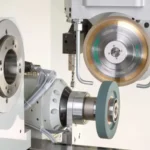
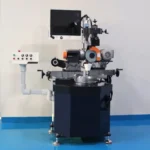
Revolutionary CNC Grinding Wheel Dresser
Transform your grinding operations with precision wheel dressing technology that delivers unmatched accuracy, reduces downtime, and maximizes productivity.


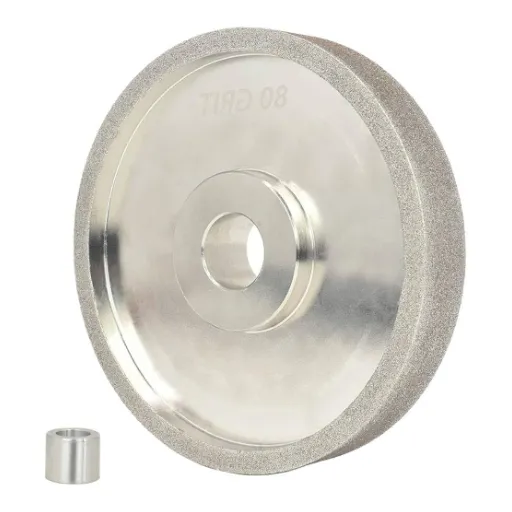
The process of grinding is one that must be executed with absolute precision if one is to obtain high-quality and accurate parts, and at the same time, the condition of your CBN grinding wheel is very crucial to this. The life expectancy of a grinding wheel is determined by the amount of work it does, and eventually, the wheel will not only lose its ability to grind, but it may also contribute to the downfall of the final product’s quality. This is where the terms truing and abrasive dressing enter the conversation. The present post is going to look into the details of the truing of a CBN grinding wheel, revealing to us how it takes care of the wheel’s geometry, develops surface precision, and keeps the cutting edge sharp enough for the best performance. If you are one of those who make parts or just want to know more about the working of abrasive tools, the article is going to provide you with things like the need for proper maintenance with the tips and insights that will make your grinding operations carry to be productive and efficient.
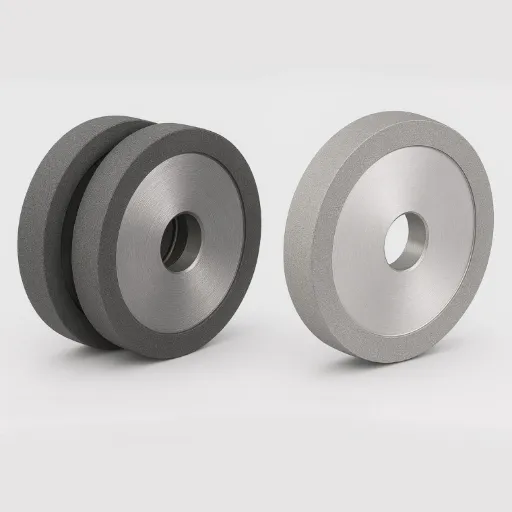
A CBN grinding wheel is a unique instrument that is specially made for the purpose of carrying out precision grinding and is mainly suitable for hard materials like superalloys and hardened steels. CBN is an abbreviation for cubic boron nitride, a man-made material that is almost as hard as diamond, which means CBN is nothing but an ideal grinding abrasive for tough, heat-resistant material where durability and efficiency are the criteria.
Generally, the make-up of a CBN grinding wheel is such that there is a metal or resin bond that supports the CBN abrasive particles. This powerful bonding technique not only guarantees the wheel’s lasting strength but also enables it to be continually consistent in different grinding treatments. CBN’s exceptional properties let the wheel endure extreme heat and keep the cutting ability intact thus minimizing the chances of either overheating or damage to the workpiece.
One of the major benefits that comes along with the usage of a CBN grinding wheel is that it can provide perfectly smooth finishes while gradually bringing down the tolerances. CBN wheels are the industrial machining and tool sharpening choices that nobody can afford to overlook if one is working with precision and high-quality, long-lasting tools or parts. The fact that they cut very efficiently allows them to contribute to a less time-consuming process since they do not need dressing as often as conventional abrasive wheels do and thus, they become the perfect ones for the tedious grinding tasks.
CBN (Cubic Boron Nitride) wheels are extremely hard and can bear heat better than any other tool known and therefore, are used in various industrial applications mainly in tool and die manufacturing. The main reason for such a demand is the need for very precise and uniform sharpening of the cutting tools. These wheels do the sharpening of cutting tools and that keeps the sharpness of the tools, thus ensuring the production of quality inputs, and continuous production by minimizing downtimes through the use of hard tools grinding and sharpening.
One more industry that CBN wheels have had a great impact on is the automotive industry. CBN wheels are a must-have in this industry for the grinding of engine parts like camshafts, crankshafts, and gears, which need to be of exceptionally smooth and precise finish. Their resistance to wear and ability to work at high speeds make them a trustworthy option for the production and maintenance of these crucial parts, thereby enhancing vehicle performance and longevity.
CBN wheels in the aviation industry also play a vital role where the requirement is for precise and long-lasting parts. The grinding and finishing of high-strength alloys and other materials used for aircraft engines and structural parts are the applications for such types of tools. Their ability to withstand high temperatures and provide stable performance makes them the perfect choice for such tough applications, thus making safety and efficiency the two main aspects of the aerospace sector.
The performance and accuracy of grinding wheels can only be maintained through the truing and dressing processes. These two processes are quite different, yet at the same time very much related, in that they help the wheel to be at its best and yield precise results. The main part of truing is to “reshape” the whole grinding wheel, which is meant to restore its original shape, and, in that way, to guarantee that the wheel rotates perfectly and keeps contact with the workpiece. This operation is done to eliminate the irregularities or deformations caused by the grinding process or other factors over time even the biggest factor of them all-wear of the wheel.
Conversely, dressing is intended to be the process of either cleaning or sharpening the wheel grinder. Its main purpose is to remove the materials that may have been formed on the wheel’s surface by the grinding operation and to further expose the fresh, sharp abrasive grains that are very important for the attainment of high precision during the grinding applications. Unfortunately, dressing also helps to prevent the occurrence of glazing, whereby the wheel turns too smooth and, as a consequence, loses its cutting efficiency.
Thus, truing and dressing together account for the grinding wheel’s proper feasting, longevity, and high-quality results. If the grinding wheel is maintained through these processes regularly, it will have the advantage of being less prone to inaccuracies while at the same time reducing the need for repair and ensuring safety during the operation. This combination of truing and dressing has a significant influence in sectors such as aerospace, where precision and reliability are the main considerations.
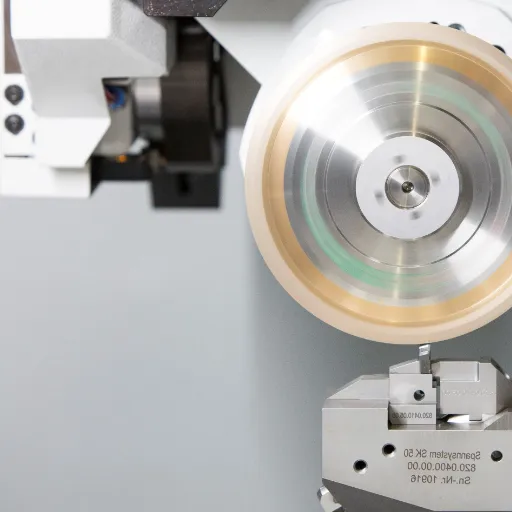
Truing is crucial for the longevity and efficiency of a grinding wheel. Grinding wheels lose their balance and shape due to regular use, which results in poor accuracy and inconsistency. Truing brings the wheel back to its original form and so it will be able to do its job accurately and deliver precise results in grinding operations. The lack of truing may lead to rough surfaces produced by the wheel, thus the quality of the workpiece is affected.
Another reason why truing is necessary is that it helps to rectify the imbalance of the grinding wheel. An improperly aligned or imbalanced wheel can cause the grinding operation to vibrate excessively, which affects the precision, increases the wear of the machine and also poses safety hazards for the workers. Truing the wheel rectifies the balance thus resulting in a smooth operation with low vibration, and lifting the overall efficiency of the process.
Truing also helps the grinder maintain its contact with the material. When a wheel has its surface become glazed or uneven, it may lose its cutting power and need more force to cut to the desired depth. Truing gets rid of this problem by revealing fresh abrasive, thereby increasing cutting and ensuring cleaner, more accurate results. This procedure not only prolongs the life of the grinding wheel but also provides high-quality performance in a wide variety of applications.
Dressing has a huge impact on the efficiency of a grinding wheel as it keeps the wheel at its best. The grinding wheel develops poor cutting ability when the caked debris or surface irregularities become too much for it. Dressing comes in and wipes the surface clean. The wheel is then sharp and ready to go. It can, therefore, work more finely and accurately to give the desired cutting parameters.
If the wheel is dressed up nicely, it will be able to work with a minimum of force. This will result in a very smooth operation. The process will save energy and, at the same time, will minimize the wear of the machinery, thus reducing the risk of overheating or excessive vibration. Moreover, proper dressing guarantees reproducible material removal and super finishes, thus becoming an indispensable operation for both maintaining productivity and achieving the desired results.
Dressing is an operation that will prolong the life of the grinding wheel. When the wheel is allowed to expose fresh abrasive grains, it will give constant performance over a long period, which means that replacements will be less frequent and costs will be lower. Hence, dressing is a maintenance step that is critical not just to be able to operate but also to improve the durability and reliability of the grinding wheel in different applications.
The grinding wheels’ correct and full dressing and truing bring about several benefits that not only improve the effectiveness of the grinding processes but also prolong the life of the equipment. The following are some of the main advantages:
Apart from the aforementioned benefits, the technological developments in the area of dressing tools, such as diamond dressers and CNC-controlled dressing systems, have made it possible to provide not only better but higher accuracy and repeatability dressing process. It is also the opinion of the industry experts that the installation of automated dressing systems would not only bring grinding operations alignment and reliability but also overall process optimization by significantly contributing to it.
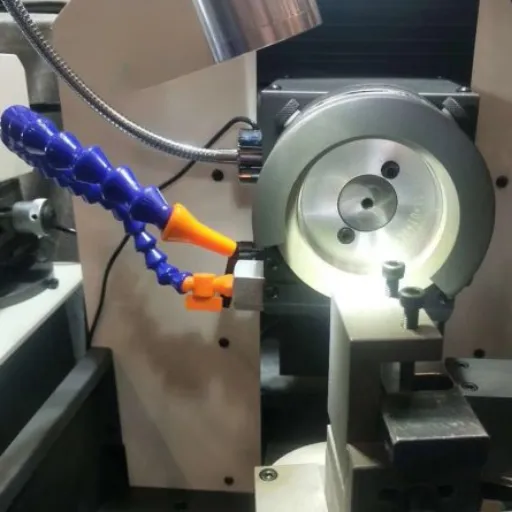
The treatment of wheel truing is one of the methods that are indispensable for maintaining grinding wheels’ performance and making precise results. The most frequently applied method is the use of a diamond tool to overhaul the grinding wheel, which prevents it from degradation and gives it its original shape by removing worn-out or damaged parts. This method allows for the overall precision in the grinding operations and the surface finish quality improvement.
The other common practice of truing is by employing the brake-controlled truing device. The said equipment that rotates slowly under the controlled pressure while shaping the grinding wheel makes a uniform material removal. This method is particularly well-suited for high-precision wheels because it greatly reduces the risk of misalignment or improper geometry.
Lastly, an automated truing system is a modern solution that has already been accepted by many industries. The CNC or programmable controls are implemented by these systems to lead the truing process with the highest accuracy and repeatability. The advantage of automation is not only the lesser manual labor but also the efficiency gained, which makes the performance consistent and the wheel’s life span prolonged. The combination of the aforementioned methods ensures the highest degree of productivity along with the best grinding accuracy.
| Tool Type | Description & Application |
|---|---|
| Diamond Dressing Tools | Diamond dressing tools have gained wide acceptance as the truing tools of choice. They are furnished with either natural or synthetic diamonds which provide the user with high precision and great tool life. These tools are operating at the highest grinding wheel speeds and therefore are often used for diamond wheels and superabrasive wheels amp truing. Their excellent hardness means that they suffer from only a small amount of wear and thus last for a long time, which is the economical solution for heavy-duty applications. |
| Single-Point Dressers | Single-point dressers are comprised of a diamond only that is mounted at the end of the shaft. Single-point dressers are mainly used for creating simple profiles or for sharp dressing of grinding wheels. Because of their accuracy, they are suited for those applications that need precision but no complicated patterns. |
| Stationary Tools | Stationary tools, such as diamond nibs or blade-type dressers, are stationary during the truing process. They are considered for the applications where simplicity and control over costs are the main priorities. They are effective in flat truing but may have limitations with intricate shapes of putting grinding wheels. |
| Rotary Dressers | Rotary dressers are sophisticated instruments containing a rotary component that is surrounded by diamonds or other grades of abrasives. Such tools are perfect for intricate shapes and big volume applications. They produce a uniform quality of product due to their rotary motion which evenly distributes the wear across the entire grinding surface. |
| Roller Dressers | Roller dressers are specifically manufactured for use with automatic truing machines. These cylindrical tools reshape the grinding wheel by rolling action and are often preferred when maximum precision is required with every repetitive grinding operation and consistent quality across multiple cycles. |
| Electroplated Tools | Electroplated truing tools have diamond grit embedded on the surface of a plated base. They are apt for detailed profiles and give longer tool life as they are often selected for the delicate applications involving ceramics or composites. |
The above-stated changes speak of the changing face of the manufacturing industries, where superabrasive wheels are taking a bigger share of the market size due to the high precision truing that is becoming popular in rotary and diamond dressers. The latter is because of its compatibility with CNC systems.
Truing a CBN wheel is a necessary basic operation to maintain its performance, accuracy, and lifespan. Correct truing makes the wheel remain balanced, minimizes the amount of vibration, and enhances the quality of the workpiece. A systematic process that emphasizes precision and care should be followed to get the best result.
First of all, select a suitable truing tool that fulfills the exact specifications of your CBN wheel. In most cases, rotary dressers are preferred because of their very high precision and their ability to be used with CNC systems. Check that the truing tool is properly lined up with the wheel to prevent the abrasive surface from being damaged or worn unevenly. Always run the truing tool at the speed and feed rate recommended by the manufacturer for best performance.
As a second point, the machine setup must be rigid and secure before starting the truing process. Vibrations or unstable setups may lead to a poor truing operation and consequently the wheel ceases to perform well. Mounting surfaces should be cleaned, and all components should be securely clamped. Finally, apply a dressing in order to limit the generation of heat, which could possibly damage the wheel’s structure. After the truing process, regularly check the wheel to ascertain its smoothness and precision before proceeding with your work.
Stationary tools are grinding wheel dressing methods that stand still while dressing is going on. The most common among them are diamond single-point and diamond multi-point tools. Single-point tools are for accuracy and demand, while multi-point tools give faster dressing speeds. Stationary tools are said to be good for straight profiles and higher accuracy requirements which makes them a must in aerospace and automotive industries, where precision is very essential based on the studies of the industry.
Dressing of rotary tools means the use of the diamond roll or cup which as a matter of fact rotates against the grinding wheel during the dressing process. Speed and consistency have been tremendously improved by this method. There is a strong and clear correlation between the rotary dressing methods and 15-20% increase in overall grinding efficiency, particularly in high-production environments. They are mainly used for dressing complicated-shaped wheels which are the most difficult ones used in gear grinding or advanced materials shaping.
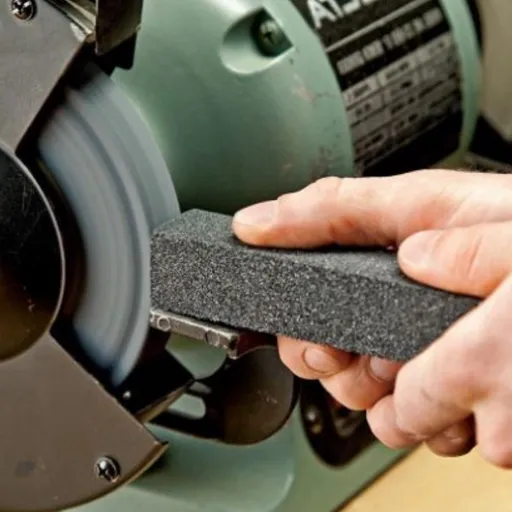
Directly shaping and cleaning of wounds is possible through manual dressing, which is mostly done with abrasive sticks or by using handheld tools. Although this method is time and money-saving and straightforward, it usually gets the better of unskilled labor when it comes to the quality of results. According to the evidence from hands-on workshops, manual dressing seems to be the best option for low-volume production or smaller abrasive wheels.
The dressing methods have been transformed thanks to advanced CNC (Computer Numerical Control) systems. The practitioner gets to enjoy unrestricted accuracy and replication via the automated dressing. The intricate wheel shapes of CNC dressing are made suitable for specialized tasks, such as turbine blade production. It has been reported that up to 30% reduction in downtime is possible with the use of CNC-controlled dressing as compared to manual or stationary methods.
ELID is a very sophisticated method that works through a combination of dressing and grinding in one process. The sharpness of the cutting edges is maintained by an electrolytic action which removes the debris from the wheel. The cutting-off study proves ELID is effective for ultra-precision grinding, especially for such materials as ceramics and hardened steel, where conventional dressing may not work well. This technique is gradually but surely taking over its rivals in microfabrication and medical device manufacturing.
All these methods have their different advantages and possibilities depending on the application requirements. Factors such as the type of grinding wheel, production goals, material properties, and budget considerations will influence the dressing method choice. To be always at the forefront of technological innovations ensures the best grinding performance and operational efficiency modulations.
The point and method of dressing a diamond wheel to find their cutting performance, i.e. at the time when dressing will pull the flaw. This situation is becoming apparent as the cutting quality, workpiece heating, and surface finishing are the lesser ones—i.e. the reverse of the case is true for the opposite condition. Regularly checking up on the grinding results will facilitate the assessment of the point at which dressing can be done to retain the best performance.
The dressing of a diamond wheel is a three-part process that includes purging the wheel of its dirt, reshaping the grinding surface, and opening up new diamond particles. Depending on the wheel type and application, this can be done with specialized dressing tools such as silicon carbide sticks or rotary dressers. Proper and careful techniques must be used throughout the process to avoid damaging the wheel and to attain uniformity in the results. Light and constant pressure should be applied to achieve even dressing.
To do a diamond wheel dressing effectively, always follow the manufacturer’s instructions and suggestions for the particular type of wheel being used. In addition, check that the dressing tool is okay with the wheel’s properties. Establish proper maintenance schedules in such a way that wear is kept within limits and the wheel’s lifetime is extended. This not only guarantees the operation of the grinding machines but also contributes to the gradual reduction of costs.
When picking between the two, diamond and cubic boron nitride (CBN), for dressing, one has to consider the nature of the material being worked on and the results intended. Diamond, being the hardest material known, is very effective in the dressing of grinding wheels that are meant to work on non-ferrous materials, such as tungsten carbide and ceramics, for instance. Moreover, its ability to withstand wear guarantees accuracy and uniformity even in difficult situations.
Conversely, CBN is the dressing material of choice when the grinding wheel is made for ferrous materials like steel and iron. Diamond, although it is the hardest material, wears down fast with ferrous materials due to heat-induced chemical reactions, whereas CBN stays stable and keeps its performance. Its thermal and chemical resistance give CBN an edge over diamond in these applications.
In the end, the decision should mainly be based on the main material used and the compatibility of the grinding wheel. In addition, it is wise to consider factors like the cost of the dressing, the frequency of dressing needed, and the tolerance of error in case of precision when selecting diamond or CBN. The observance of these factors not only assures the best performance but also the durability of the tools and maintenance of quality outputs.
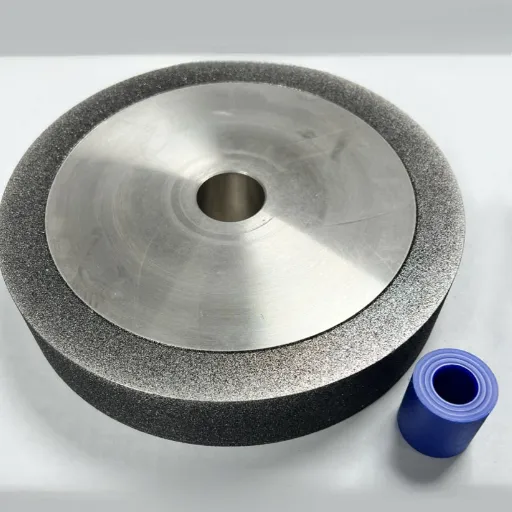
In order to achieve the best results and make tools last longer, it is very important to select the right grinding wheel and dressing materials. The main factors considered are the compatibility of the grinding wheel with the material to be processed, the cost and the dressing interval, and the level of precision error tolerated. By taking these factors into account, users can obtain both high-quality results and cost-efficiency.
Each dressing diamond and CBN has its advantages depending on the application. Diamond is usually the first choice for hard materials thanks to its sharpness and durability, while CBN is the best option for ferrous materials because of its thermal and chemical stability. It is very important to understand the strengths and limitations of each option to make an informed decision.
The selection process should, in the end, give priority to the project’s particular needs and consider the environmental conditions, such as heat and pressure. Aiming at cost, precision, and compatibility considerations can ensure that the operation is reliable and efficient, and that tooling is used up minimally and production quality maximized.
Truing and dressing are necessary steps in grinding operations that guarantee precision and efficiency by keeping grinding wheels in their best condition. Even if both processes are for the maintenance of the wheel, their aims vary a little. Truing is mainly about the restoration of the wheel’s geometric shape and making it run true to its axis, whereas dressing is about turning the worn-out abrasives and debris, so that the newly cut grains can be exposed for the best performance.
The appropriate truing and dressing applications turn not only the grinding operation’s accuracy but also the grinding wheel’s life into a longer one. Operators should have these processes done at regular times or when they notice the wheel’s wear or performance problems. This preventive measure will not only reduce the chances of defects in the end product but also save the tool from failure and, thus, the company from the costly downtime.
It is a must for the operators to take into account such factors as the material’s type being worked on, the grinding wheel’s specifications, and the operating conditions in order to get the best results. Performing regular assessments of wheel performance and timely application of truing and dressing processes can greatly assist in maintaining production quality, safety, and even operational efficiency, in the long run.
Be proactive and take the measures that will lead to the optimization of your grinding and cutting processes. Regular inspections of your grinding wheels will help you to notice any signs of wear and will also enable you to carry out the truing and dressing techniques to preserve the quality of grinding performance. If you keep doing such monitoring of these factors, you will be able to avoid costly downtimes and control the quality of production consistently.
Make sure your employees receive the training about proper grinding wheel maintenance and the correct choice of tools for specific materials. The resources and training that are provided regularly help the establishment of a safety and efficiency culture, which in turn will reduce accidents and improve productivity of the workplace.
Last but not least, focus on maintaining comprehensive grinding wheel performance and maintenance schedules records. These records can aid you in spotting the problems that occur repeatedly, take the right tool upgrade decisions, and set up the standard operating procedures that are in line with the long-term operation success. The steps outlined will see you attaining greater efficiency, better production results, and a safer work environment.