Revolutionary CNC Grinding Wheel Dresser
Transform your grinding operations with precision wheel dressing technology that delivers unmatched accuracy, reduces downtime, and maximizes productivity.


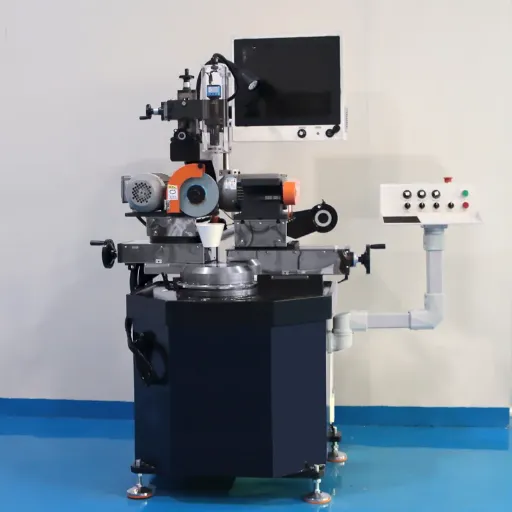
The adjustment of grinding wheels must be maintained with utmost care for precision and efficiency in machining operations; hence, a diamond grinding wheel dresser adds its unique value. These tools serve the cutting surface of grinding wheels, restoring them to fresh condition so that grinding wheels may perform better and last longer. Whether for making fine cuts, holding a consistent wheel shape, or enhancing the quality of the finished work, one must appreciate the importance of a diamond grinding wheel dresser. Here we will first understand how they dress diamond grinding wheels, followed by understanding the benefits and considerations when buying one. Techniques and tips to improve machining results and maintain grinding wheels are all coming your way.

A diamond grinding wheel dresser is a specialized tool used to restore and maintain the surface of grinding wheels. Over time, grinding wheels can become worn, clogged with debris, or uneven due to continuous use. A dresser reshapes the wheel by removing unwanted material and exposing fresh abrasive grains, ensuring the grinding wheel remains effective and efficient.
The primary function of a diamond grinding wheel dresser is to sharpen the abrasive surface and correct its profile. This is achieved by applying the dresser to the grinding wheel, using controlled pressure and motion. This process not only improves the precision of the grinding wheel but also extends its lifespan by allowing it to perform optimally for longer durations.
Using a diamond grinding wheel dresser also contributes significantly to the quality of the workpiece. Maintaining a uniform and sharp surface on the grinding wheel it ensures consistent cuts and a smooth finish on materials. Regular dressing of grinding wheels minimizes errors in machining processes and enhances overall productivity in various industrial applications.
Wheel dressing is a key operation that affects the efficiency and effectiveness of grinding operations. It serves to restore the shape of a grinding wheel, remove particles embedded in the wheel, and expose a new surface that will do the cutting. This helps keep grinding wheels from filing to close tolerances and being susceptible to fewer materials-related defects on the final workpiece.
One of the reasons why it is important to dress the wheel is to prevent glazing of the wheel. By their nature, glazing occurs when the abrasive grains in grinding wheels lose their sharpness and become clogged with the surface. Such conditions reduce the cutting ability of wheels and might increase the incidence of overheating or damage to the material being worked upon. Dressing the grinding wheel tends to overcome these problems so that a grinding wheel could do the job as if it were freshly dressed and maintain its cutting abilities.
Also, routine wheel dressing further prolongs grinding wheel life by holding its structure together and giving it an equal ability to cut. A properly dressed grinding wheel produces less waste, causes fewer periods of shutdown, and enhances the productivity of industrial operations. Thereby, these advantages illustrate the need for taking the dressing step for high-quality results and operational efficiency in grinding applications.
Diamond wheel dressers are indispensable tools to sustain and restore the performance of grinding wheels. There are many types of diamond wheel dressers, each intended for some very specific applications and requirements. This knowledge helps make sure that one chooses the correct tool for the job.
Single-point diamond dressers offer a single diamond set at the very tip of the tool; this is commonly suitable for precision tasks since it can resurface the grinding wheel surface accurately. For general-purpose applications wherein implica consistency and simplicity, they ought to be used in an equal manner.
Multi-point diamond dressers have various diamond grains set into a single tool. These dressers can support heavy industrial operations and provide superior durability and life. They also allow wear to be distributed more evenly than with single-point dressers thus reducing the frequency of tool replacements.
A rotary diamond dresser features a rotary system with diamond particles on its surface. Often it is used in high-precision grinding operations where automation prevails. Complex wheel profiles can be obtained very accurately using this dressing method and hence are suitable in advanced manufacturing.
The decision on which type of diamond wheel dresser to use depends on the grinding wheel material, desired wheel profile, and operational demands. Once a dresser is chosen, it should be correctly used and maintained to ensure consistent performance of both the dresser and grinding wheel and to extend their life.
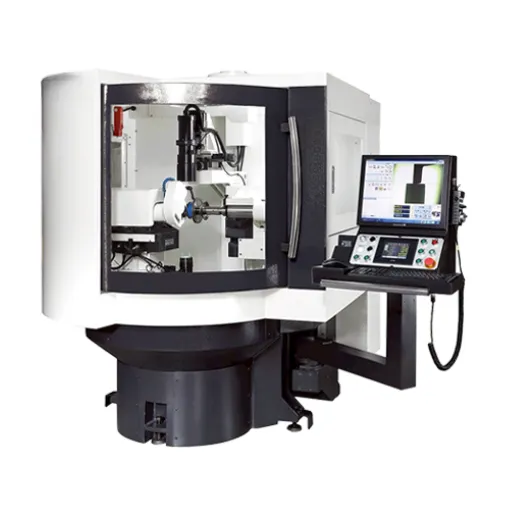
Truing and dressing are two different processes that are sometimes done together to maintain grinding wheels. Truing is a process that restores the wheel to its original shape and makes sure it is aligned with the spindle axis. This restoration is necessary to correct any wear or damage that has created irregularities and distortions over time. On the other hand, dressing is a process that involves removing all particles of dust, sintered materials, and worn abrasive particles from the surface of the grinding wheel to uncover fresh and sharp cutting edges.
Truing is essential in case geometric accuracy is to be maintained for the grinding wheel, thus making it possible for grinding operations to produce results that are both precise and consistent. In the absence of the truing process, the grinding wheel would either produce inaccuracies in the workpiece or apply uneven pressure during operation. Dressing, on the contrary, aids in the wheel’s ability to cut by maintaining its abrasive properties, which directly impacts the grinding process’s effectiveness and quality.
Both dressing and truing are necessary for the maintenance of the grinding wheel, but they serve different functions. Truing is responsible for reshaping and realigning the wheel, whereas dressing brings back the cutting surface of the wheel to life. Combined, they make certain that the grinding wheel is operating at an optimal level, thus increasing its lifespan and providing accurate results for different manufacturing operations. Giving regular care to the truing and dressing of the grinding wheel can help prevent any potential downtime while also guaranteeing consistent machining quality.
Effective wheel dressing is a prerequisite for grinding wheels to deliver their optimum performance, accuracy, and longevity. Having the right techniques and tools can greatly impact the quality of the machining process and at the same time, considerably reduce wear and tear on the equipment. Here are the main practices to adopt:
A dressing tool that is suitable for the type and size of the grinding wheel in use should always be selected. The tool should be able to reshape the wheel without damaging it, thus, allowing it to retain the desired form and surface. Single-point diamond dressers and rotary dressers are the most common ones, each suited to a specific application.
Dressing speed and pressure must be adjusted according to the situation. Using too much force can break the wheel and, on the other hand, not applying enough pressure might not restore the cutting edges properly. Steady, even pressure should be maintained and the manufacturer’s recommendations should be consulted for determining the right speed for your particular application.
Regular dressing avoids the accumulation of debris and glazing, which makes the wheel less sharp and effective. After each dressing session, the wheel should be inspected for any signs of wear, cracks, or uneven surfaces. Maintenance that is done regularly will not only make the equipment less prone to damage but will also make machining accuracy more consistent.
Following these practices will result in better grinding, longer wheel life, and a safe and efficient working environment.
Overdue pressure application on the grinding wheel is one of the most negligent mistakes in truing and dressing. This dramatic pressure can cause the wheel to wear out faster than it should, cause cracks, or even break the wheel completely. Thus, the life of the tool gets reduced and there are even some safety hazards created. So, it is better to use just enough pressure that you can get the desired results without jeopardizing the wheel’s structural integrity.
Another incorrect assumption is not using the correct dressing tool for the particular grinding wheel type. The use of the incorrect tool can lead to the dressing being done incorrectly, uneven grinding wheel surfaces or even the generation of lesser efficiency during the machining process. All the time, operators must be sure that the dressing tool is suitable not only by the wheel material and finish but also for the highest performance.
The last point is less frequent but it still undermines the importance of regular inspection and maintenance of the dressing equipment. The truing and dressing process can become less accurate, leading to poor machining quality and increased downtime if the wearout or damage of dressing tools occurs. Regular inspections and replacements are necessary to keep both the dressing tool and the grinding wheel in good working order. The avoidance of these common mistakes will lead to the enhancement of the safety, efficiency, and durability of grinding equipment by the operators.
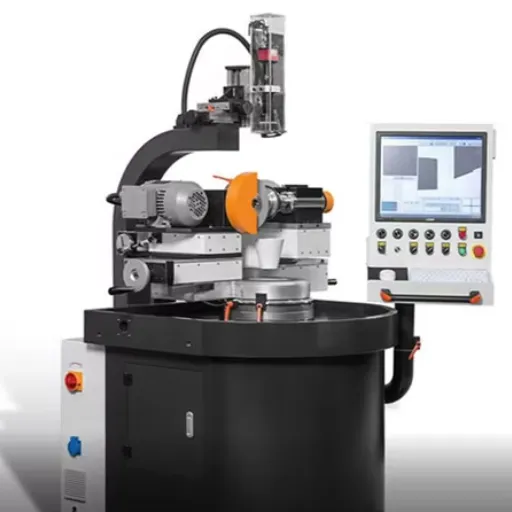
Dressing machines are responsible for maintaining the optimal condition of grinding wheels, which in turn leads to the grinding of the material being processed more efficiently and consistently. The quality of the grinding process is gradually deteriorating because of the wheel’s wear, clogging and loss of precision. Dressing machines bring back the cutting surface of the wheel.
Automating the dressing process allows these machines to offer a dual benefit of higher accuracy and incoming as well as enlightened productivity. Manual dressing is often a lengthy, time-consuming and error-prone task that can easily lead to uneven surfaces and inconsistent results. On the contrary, dressing machines ensure precise and repeatable operations, which not only contribute to the overall better performance of the grinding machines but also to the reduction of material waste.
Moreover, the continuous use of dressing machines not only increases the life span of grinding wheels but also decreases downtime. A properly maintained grinding wheel not only runs more efficiently but also lessens the chance of damaging the workpiece or equipment. Consequently, this results in a gradual decline in the cost and, at the same time, the grinding process becomes smoother and more reliable.
Various factors directly affect and are responsible for the performance of dressing machines. To get the maximum out of machines and ensure that they give the same result all the time, the factors should be taken into account.
The dressing operation is highly dependent on the abrasive material used in the grinding wheel. Various abrasive materials like aluminum oxide, silicon carbide, or diamond present different wear rates and heat resistances. For example, diamond abrasives, being the toughest ones, are also the most demanding in terms of dressing, as only with proper dressing would the wheel keep its sharpness and usefulness.
The speed of the wheel and the feed rate of the dressing tool is the two most important factors that determine efficiency. The industry reports indicate that high wheel speed and optimized feed rates result in enhanced precision and reduced dressing time which consequently leads to increased throughput and reduced tool wear. For instance, a recent test has shown that if the wheel speed is increased by 15% and the feed rate is optimized, the operational efficiency will be improved by 20%.
The condition of the dressing tool is the most important factor. An exhausted and not carefully maintained dressing tool can result in an uneven surface, a lower quality product, and a reduced life of the grinding wheel. The use of automated systems for monitoring and the replacement of worn-out dressing tools has been reported to decrease maintenance downtime by as much as 30%, according to a recent case study.
During the dressing process, the cooling applied properly will cut down on the heat that is produced and hence prevent the tool from burning. Advanced systems of coolant delivery, such as high-pressure nozzles, guarantee even lubrication and heat dissipation. Based on a survey conducted within the industry in 2023, it has been stated that dressed tool life can be extended by approximately 25% and overall grinding efficiency can also improve through efficient coolant application.
Calibration of dressing machines and their stability in operation are very important. Misalignments or vibrations may produce inconsistent dressing results or even damage the grinding wheel. It has been found that by adopting automated precision calibration systems, setup errors can be minimized and repeatability can be achieved even in high-volume productions.
The Modern dressing machines have become integrated with sensors and data analysis tools owing to Industry 4.0. These technologies make the real-time monitoring of the wheel condition and dressing parameters possible. An example of this is the smart systems that are capable of analyzing dressing patterns which have been reported to reduce human errors in industrial applications by as much as 40%.
The efficiency of dressing machines can be considerably increased by eliminating these factors and using the new technology. This besides the quality will also lead to lower production costs and higher productivity.
A huge implementation of advanced dressing technology can be noted in the area of automotive manufacturing. An automotive company integrated precise monitoring systems into their production lines and thus, improved the lifespan of grinding wheels and the amount of material the process wasted. This measure not only resulted in a better quality of the finished components but also led to a substantial reduction of operational downtime. The output was a 30% rise in production efficiency and a considerable decrease in costs.
The aerospace industry also achieved a prominent success with the automated dressing systems. A large Aerospace manufacturer invested in adaptive intelligent dressing tools that optimized the performance of the wheel for cutting tasks with precision. As a result, accuracy was achieved in the machining of high-strength materials and human errors were reduced. Their defect rate for critical components was cut down by 25% within a year, thus guaranteeing compliance with safety and performance standards.
The integration of advanced dressing technology is another example that is attributed to toolmaking and precision engineering, where it brought about huge improvements. A precision engineering company exploited real-time system analytics to improve grinding wheel alignment and performance. This technology led to more consistent product quality and quicker turnover in production times. Besides, the firm has claimed to have cut down its energy consumption by 20%, thus, stressing the technology’s potential for making the industrial process more eco-friendly.
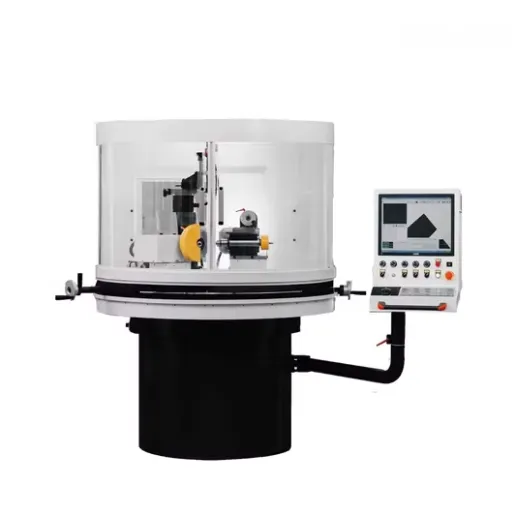
The recent advancements made to CNC grinding wheel dressers have played a huge part in increasing the precision, efficiency, and versatility of industrial machining. The new developments are mainly focused on the dressing process’s automation and accuracy which leads to getting more consistent results with a lot less manual involvement. Advanced software algorithms are now being used in CNC grinding wheel dressers to optimize the wheel profiling which is very helpful in getting more intricate shapes and tight tolerances done very effectively indeed.
One more great improvement is the combination of the real-time monitoring and feedback systems. With the help of the sensors, these systems are capable of analyzing the whole grinding process continuously and making instant adjustments to keep the grinding process at the best level. This capability, in turn, leads to reducing the dressing tool as well as the grinding wheel wear, which eventually results in a longer tool life and lower operational costs that are less. Moreover, real-time feedback increases the dependability of the various production processes, thus leading to less waste and more efficient material usage.
The modern CNC grinding wheel dressers are also focusing on eco-friendly designs. Energy-efficient motors and material waste reducing ways are now part and parcel of the dressing process for many systems. Some models are made in such a way that they can work perfectly with a wide variety of grinding wheel materials, hence compatibility is increased across various applications. The innovations not only improve the operational efficiency but also support the implementation of more sustainable manufacturing practices, which is the case with the environmental priorities that are getting stronger.
The functionality and precision of dressing machines have been greatly improved by the software. Dressing machines, therefore, can operate with high precision, accuracy, and consistency because of the use of advanced algorithms teamed with automated processes. Parameters such as speed, pressure, and depth which are critical for the desired surface finish and the longevity of grinding tools can be controlled more precisely through the software.
Real-time monitoring and diagnostics are another automated process facilitated by software; thus it would be more user-friendly than ever. Detecting problems long before they become costly is one of the benefits of the capability of monitoring. Therefore, not only does it increase the efficiency of operations, but it also cuts down the time the equipment is out of operation, which in turn results in a smooth flow of work. Along with the customizable interfaces and programming functionalities, the software has made it easier to adapt the machines to different applications and materials of varying requirements.
Dressing machines have gradually been incorporated into smart manufacturing environments and in part, software has had a big role to play in this. By collecting, sharing, and analyzing data, modern software makes it possible to perform predictive maintenance and take data-driven decisions. These attributes are in line with the Industry 4.0 and sustainable manufacturing approaches, thus making sure that the dressing machines constantly maintain their efficiency and remain in the competition with the changing industrial markets.
The advancement of grinding wheel dressing technology mainly depends on the precision, efficiency, and sustainability factors. One of the significant changes is coupling up the dressing procedure with automation and artificial intelligence (AI). AI assists in optimizing dressing cycles through the analysis of real-time data and adjustment of the operator’s actions towards better precision and less waste. Automation guarantees the same performance over time, reduces the chances of humans making mistakes, and increases productivity in the manufacturing area.
Another critical trend is of grinding wheel dressing adopting eco-friendly practices. The focus of the manufacturers is on the use of less material and energy-consuming methods. Among such methods are laser-assisted dressing, and non-contact dressing, which are considered sustainable and environment-friendly approaches. The wear- and energy-consuming methods are being considered. These technologies are characterized by a lower environmental impact but they can still provide high precision, thus meeting the increasing need for greener industrial processes.
Digitalization is also influencing the future of grinding wheel dressing technologies. Smart sensors and Internet of Things (IoT) devices make it possible to continuously monitor the performance of machines thus allowing predictive maintenance and efficient troubleshooting. Digital twins—virtual models of physical equipment—are being used to simulate and optimize dressing operations even before they are actually done, thus minimizing downtime and boosting the process’s reliability. All these innovations together highlight how grinding wheel dressing technology is now evolving in alignment with the requirements of modern manufacturing.
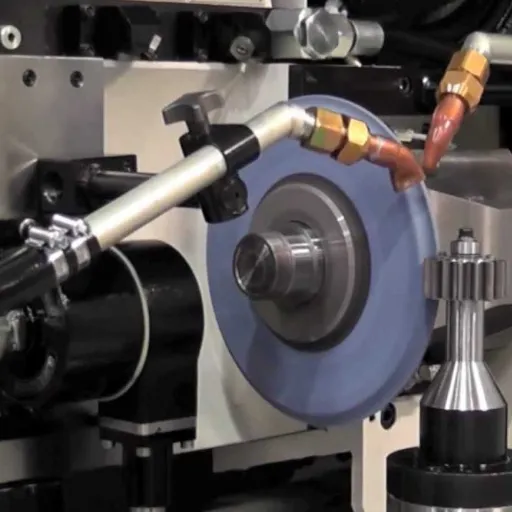
When a diamond wheel dresser is chosen the first thing to think about is whether it is compatible with the type of grinding wheel that is being used. The hardness, grit size, and bond material of the grinding wheel are the most important aspects to consider when choosing the right dresser. As an illustration, grinding wheels that are denser and harder require precision and longevity, depending on the type of dresser used usually a harder dresser is typical.
The application’s required level of precision is another important factor. For the most intricate and detailed works, a finer diamond concentration or a multi-point dresser may be able to give better results, as it allows smoother cutting and greater control. In contrast, for larger-scale or rougher applications, a single-point diamond dresser might be enough due to its durability and simple operation.
Another two very important considerations are durability and cost-effectiveness. The selected wheel dresser should be able to cope with the grinding process so as not to be frequently replaced. The initial cost is important but at the same time investing in a high-quality diamond wheel dresser can improve performance as well as reduce long-term costs by prolonging the life of both the dresser and the grinding wheel. The factors when balanced, will result in the best performance of grinding operations.
The choice with manual dressing machines is the operator’s skill and experience; the machine itself provides no help at all. They are to be used where the operator can shape the grinding wheel to his//liking, hence, they are suitable for jobs that call for flexibility and customizability. Nevertheless, if the work is done manually, it will take time, there will be the use of labor, and there will be a possibility of human errors clogging up the trail of consistency. They are also mostly of lower cost at the start, which makes them a favorite in small-scale operations or among those who are on a tight budget.
Automated dressing machines, in contrast, employ cutting-edge technologies to do the dressing job with great accuracy and repeatability. The machines fit perfectly in the case of consistent results, high throughput, and little operator interference. The initial investment for automated systems is typically higher; however, they offer long-term advantages, such as less labor, quicker processing, and better accuracy, which can increase the productivity of large or highly demanding operations significantly.
In the end, the decision of whether to purchase a manual or automated dressing machine is based on the grinding application’s requirements. For low-volume, highly customized tasks, manual machines are usually more practical. On the other hand, automatic ones are preferred for mass production, where uniformity, speed, and efficiency are the main aspects. Only when the cost and needs are balanced will the best solution be found.
The cost-benefit analysis of wheel dressers mainly includes the initial investment, operational efficiency, maintenance costs, and the expected lifespan of the equipment as the key factors to be evaluated. Manual wheel dressers normally have a lower initial cost, which makes them a practical option for dressing needs that are not frequent or for operations with a small budget. However, these dressers often require higher labor input, which can result in increased operational costs in the long run, especially in continuous production facilities.
On the other hand, the automated wheel dressers have a very high initial cost but the efficiency and consistency over time can compensate for this cost by a great deal. They are built in such a way that manual intervention is reduced to a minimum, and hence uniform results and faster turnaround times for high-volume applications that require precision are achieved. These machines, although costly, can result in the growth of productivity and a decrease in labor expenses, hence being ideal for large-scale operations, where speed and accuracy are the main concerns.
The two alternatives also have different maintenance costs and durability factors. Manual dressers usually need very little maintenance, but may not last as long or become old quickly due to the regular handling. Automated systems, though they are more durable than manual systems, can have very complex parts that need servicing or very expensive repair when there is a breakdown. By aligning the choice of wheel dressers closely with the production needs and budget limitations, companies can obtain the maximum benefit from the investment in both efficiency and value over time.
A: To explain, a diamond grinding wheel dressing machine is used for maintaining and restoring the shape and surface of grinding wheels. This machine can provide the required contour accuracy to the vitrified grinding wheels, and thus enhance the grinding performance.
A: The wheel dressing machine, with the help of its diamond tool, would straighten the spindle and appropriately dress the grinding wheel’s surface. Through this, the worn-out areas of a grinding wheel will be removed so that it will achieve the most suitable diameter and correct position for grinding operations.
A: A grinder works with a diamond grinding wheel dressing machine that allows for offline dressing of wheels, which saves time and increases productivity. Dressing maintains a grinding wheel’s shape and cutting action, enhancing the quality of machining.
A: Yes, the diamond grinding wheel dressing machine has to encompass different wheel sizes, including 9″ and 10″ sizes. Thus, it provides for a wide range of applications in machining.
A: CNC technology in the diamond grinding wheel dressing equipment makes it possible for the machine to dress precision contours in vitrified grinding wheels. Basically, the CNC approach gives opportunities for repeatable and precise machining operations that speed up productivity.
A: Being able to dress wheels offline helps manufacturers reduce downtime. By dressing and equipping the wheels as other operations are being performed, it streamlines and helps improve efficiency in production.
A: Diamond grinding wheels are mainly made those materials like CBN (Cubic Boron Nitride) and synthetic diamonds. These materials are known for their hardness and durability; hence, they are used for precision grinding.
A: When choosing a wheel truing and dressing machine, some features to consider include the use of servo motors for precision control, the ability to dress different diameters, and a compact design for easy mounting onto existing machinery setups.
A: It is the best suited because the DM-9CNC is a stand-alone machine designed to dress for the precision contours of vitrified grinding wheels. Its advanced technology and compact design place it at the forefront of most high-precision grinding applications.