Revolutionary CNC Grinding Wheel Dresser
Transform your grinding operations with precision wheel dressing technology that delivers unmatched accuracy, reduces downtime, and maximizes productivity.


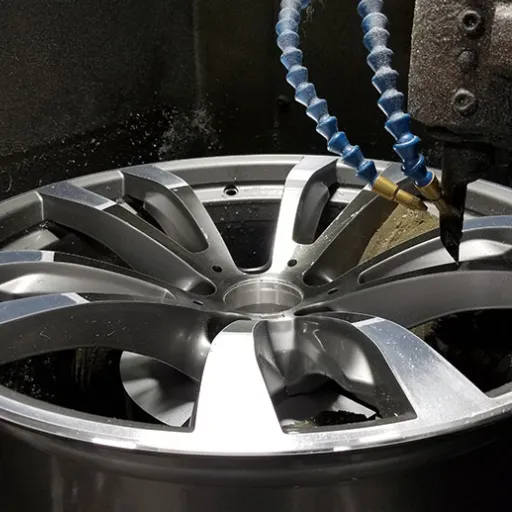
If general vehicle upkeep is concerned, there is one frivolous attention command diamond cut alloy wheel. Diamond-cut alloy wheels bear an inimitable and refined finish that adds class and style to the car. On the contrary, these can be damaged easily through contact with the curb, road debris, or just the passing time. Here comes the diamond cut alloy wheel repair. Not only is it for beautifying the wheels, but it also fortifies and makes them capable of use. This guide expounds everything you had better know regarding diamond cut alloy wheel repair: how it progresses, scenarios that require it, and reasons behind proper care that could affect the repair. In other words, this article gives you all the answers to keeping your wheels in top-notch condition, whether you are an avid motorhead or just someone looking to maintain the investment.

A diamond-cut alloy wheel is a wheel amenable to a machining process that imparts a unique high-gloss finish. Whereas normal alloy wheels are manufactured by casting, diamond-cut alloy wheels are refined by several hours of precision engineering. A lathe would actually cut into the surface of the wheel, creating a metallic two-tone effect with sharp reflective, crisp lines.
First, the wheel is painted or coated, and then it goes to the next stage called diamond cutting, where machinery cuts a thin layer of metal off the face of the wheel. This exposes the raw alloy metal, which is then polished to a smooth reflective finish. This style is primarily for looks, as the polished areas are intended to complement the character of the wheel.
Diamond cut alloy wheels are liked for their sleek and modern looks, which go well with many vehicle designs. However, proper care must be given since the exposed surface of these wheels can face corrosion or damage if left unprotected or uncleaned. This attractive look and precision casting make the wheels appealing to vehicle lovers who want to add to the style of their car.
These diamond-cut alloys maximize the impression of a mix of luxury, performance, and style thus being tightly woven into the preference of car owners all over the world.
A diamond cut finish is mainly applied in the automotive industry to enhance the aesthetic appeal of alloy wheels. With refined precision techniques, the metallic brightness of the wheel’s surface is revealed, set in sharp contrast with the polished and painted areas. This vehicle exudes luxury and style to attract any car owner who values both performance and design.
Another area where diamond-cut finishes find significant application is the manufacturing of consumer electronics. These finishes are applied to gadgets such as smartphones, laptops, and tablets for a slick futuristic design. The reflective quality of diamond-cut finishes increases the allure of a product, balancing the demand for high-quality products with exquisitely designed products from a consumer’s perspective.
The diamond cut may also be used as a furniture finish, especially in metal parts of home décor, to achieve top-notch detailing. These finishes will surely elevate interior designs, whether in light fixtures or table edges. In particular, this is an application that is heavily used in modern and minimalist styles, wherein a clean, sharp cut just oozes understated elegance.

The initial assessment of an alloy wheel is a very important step in the diamond cut wheel repair procedure. The wheel is thoroughly inspected for damage such as cracks, bends, scuffs, or corrosion. The surface and structure are scrutinized by one or more specialists to determine the extent of the damage and if the wheel can be repaired. Only wheels deemed structurally sound and not too compromised can be accepted for repair.
After the visual inspection, the wheels are sometimes checked for alignment or balance problems. In some cases, the use of sophisticated equipment to verify that the shape of the wheel has not been grossly altered from its original form may be employed. If found, differences in the form of the wheel could impair its performance and safety, so it is very important to identify them in the early stages.
After noting the type and severity of the damage, a detailed plan of repair is carried out. Such a detail includes how much sanding, machining, or coating will be necessary so as to completely restore the wheel to its former appearance and function. On trust, an aesthetic restoration and safety on the wheel have to be bestowed.
The process begins by conducting a thorough visual and tactile examination of the wheel to ascertain the damage type and extent. Scratches, dents, corrosion, or cracks may be checked in whatever order. Choosing the right repair method depends on diagnosing the damage-related issues. If damage turns out to be too severe to safely repair, then the wheel might simply be replaced.
Once the damage has been evaluated, preparation for the repair takes place. The technician removes the tire from the wheel and cleans the surface of dirt, grease, or debris. The wheel is then either sanded or machined to level out imperfections and remove damaged layers. This is to make sure the surface is completely even, smooth, and clean before proceeding with further treatment.
The diamond cutting process involves machining the wheel surface with minute precision on a lathe fitted with diamond-tipped tools. This process smoothens the surface by removing a very thin layer of material, polishing it to a reflective finish. The diamond-cut style necessitates exactitude and finesse while preserving the wheel’s structural strength.
Once the diamond cutting has been done, the wheel will undergo the application of a clear protective coating. This coating inhibits corrosion and increases surface durability. Next, the wheel will undergo curing in an oven to harden the coatings, capable of providing a highly durable and superior finish.
Once everything has been repaired and finished, the newly repaired wheel will undergo refitting of the tire. The newly repaired wheel then undergoes a final quality inspection to ensure all requirements of safety and aesthetics have been met. The wheel, with its fully restored appearance and function, is now set for installation onto the vehicle.
Polishing and lacquering are the final processes for the wheel to make it completely perfect in its appearance and long-lasting in protection. Polishing uses specialized tools and compounds to smooth out the surface to a high-gloss finish. This eliminates minute defects whilst magnifying the wheel’s aesthetic charm, making it look freshly done, sleek, and refined.
Following polishing comes lacquering. Lacquer seals the surface, protecting it from moisture, road debris, and UV exposure, all of which can mar and damage road wheels with time. This clear protective coat allows the polishing to maintain its shine, keeping the wheel looking good for much longer.
Once lacquer is applied, sufficient curing time should be allowed, as this process ensures a strong bond between the coating and the surface and, therefore, optimal protection and durability. Now that the wheel has been polished and lacquered, it can withstand daily use, keeping its professional shine intact. All of these steps culminate in a fully restored wheel that is entitled to be installed and perform in the field.
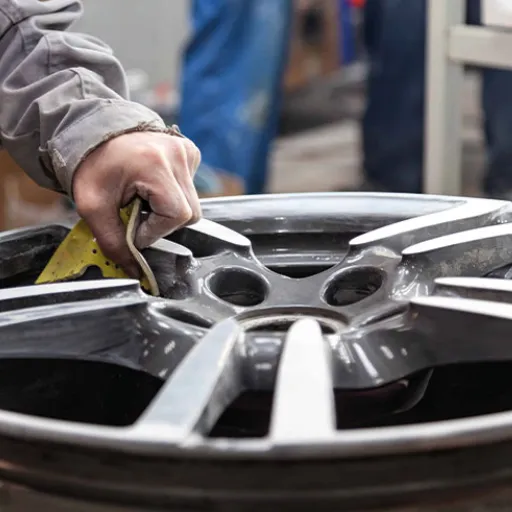
Diamond cut wheel refurbishments call for the utmost precision; thus, a range of highly specialized cutting machines and tools is used. These machines are built to withstand adverse working conditions imposed by the process, ensuring a human-level finish with utmost finishing and accuracy. Some of the essential machines are:
Measuring the wheel with a laser is important for utmost precision in repairs. Using optics and sensors, these systems detect discrepancies in the structure of the wheel with precision down to a fraction of a millimeter.
CNC wheel lathe machines are truly revolutionary from the point of view of precision repairs. These are absolutely the right machines to bring a wheel back to the original surface finish, removing imperfections like scratches and bends through machining. In addition to serving as a lathe, these machines have programmable controls that ultimately provide better finishing with a technician indistinguishable from factory-level finishing. It is reported that, in terms of actual methodology, CNC lathes tend to reduce 30% of repair time while producing 40% better surface quality.
Measuring tread depth is very important in the assessment of a tire’s service life and its suitability for repaired wheels. The digital variety supplies measurements with a high level of accuracy, with such being accepted as an industry standard today. Research indicates that digitally implemented tread gauges, when incorporated into repair workflows, suggest a drop in misdiagnosis rate by just above 25%.
A variable torque setting enables impact wrenches to enable a technician to work swiftly and correctly with wheel nuts. The present high-torque models are designed to prevent over-tightening, which might cause damage or concerns about safety. A recent survey from automotive services providers shows that the use of such tools has reduced operational errors by nearly 15%.
It is seen that ultrasonic inspection technology is becoming increasingly utilized to discover internal cracks in wheels invisible to the naked eye. This technology employs high-frequency sound waves to signify weaknesses compromising structural integrity. Automotive industry reports have it that compared to manual visual inspection, ultrasonic tests yield a better rate of defect detection by as much as 35%.
The mixing of these specialized tools with highly technical manpower can lead to precise repair, hence safer and higher-quality outcomes for the end-customers. These transformations, defined by technology-increasingly set the landscape for a modern-day automotive repair service.
Ensure safety in automotive repair with the appropriate safety equipment and the following established best practices. The safety equipment should consist of hand gloves that protect from chemicals and sharp objects, safety glasses or goggles that shield the eyes from flying debris or sparks, and ear protectors in high noise level areas. Respirators should be worn when dealing with paints, solvents, or other fumes. Working adequately with these shields means one need never put their health and safety at risk while at work.
Adhering to working practices is equally important for creating a safe working environment. Workers should always refer to and follow the manufacturer’s instructions and guidelines for tools and equipment, thereby using them correctly to avoid getting hurt. For the best performance and safety, all tools should regularly undergo maintenance checks and be calibrated, if necessary. Keeping the working area uncluttered by putting away tools and cleaning spills and debris helps avoid the hazards of tripping, falling, or accidental injuries. Adding good signs and appropriate lighting also improves the overall visibility and awareness in a busy workshop environment.
Additionally, training and awareness are extremely important in the promotion of safety. They must be taught the procedures for safety at the workplace and continuously updated relative to new rules or handling procedures regarding the same. Equal importance should be given to emergency preparedness with the availability of first-aid kits and fire extinguishers. Having the right equipment, good practices, and solid training enables automotive repair shops to be safe environments while rendering quality services.

Repairing diamond-cut wheels is fraught with many challenges and situations that require strict attention to quality. One common problem is the improper preparation of the wheel surface. For example, not cleaning and sanding the wheel thoroughly prevents coatings from adhering properly, thereby ruining the finish. To avoid this, technicians must follow strict cleaning and preparation procedures to achieve a surface free of defects.
One other very common pitfall is the incorrect calibration of the lathe during the cutting process. Small calibration errors can cause uneven finishes or perhaps even damage the wheel. Keeping the lathe well-maintained and correctly calibrated, as well as properly training operators, will help keep these mistakes to a minimum. Also, technicians should conduct test cuts on less critical surfaces to ensure adequate precision before proceeding on the actual wheel.
Lastly, poor quality control can compromise the entire repair process. Common issues include uneven coatings, overlooked defects, or inconsistent finishes, which result from insufficient inspections. Much can be done to reduce errors by implementing a quality assurance process, in which each repaired wheel is examined closely before delivery. With such precautions, most of the usual pitfalls in diamond cut wheel repair can be entirely averted.
Complex damage is subject to a rigorous inspection and a method to attain repair accuracy and durability. The first act is to check the damage thoroughly. Complex cases have possibilities of having deep gouges, corrosion so heavy that it weighs down on the greater structure of warp, or deformation of the wheel, which in turn downplays a little of the wheel’s ability to function as per design. The latest technician should analyze the possibility of repair and weigh whether a safer alternative is replacement or even just a more economical one.
With respect to repairable damage, CNC machining or multi-stage treatments can be used. CNC machining refines the surface of the wheels by removing layers of damaged material so as to give the wheels one even finish with a polished surface. Areas adversely degraded by corrosion or pitting can be treated through chemical cleaning, filling with alloy material, etc., to restore their serviceability and retain the aesthetic appearance. Doing anything contrary to accepted procedure may compromise the safety or function of the wheel.
Ultimately, after a repair is done, certain quality checks will take place to ensure the wheels are balanced, structurally sound, and of proper coating and finish. Complex damage situations demand both technical patience and attention to detail, not to mention a stringent adherence to industry safety standards. This system guarantees that the wheels are fully restored with respect to both performance and good looks.
The method of repairing diamond-cut wheels is an intricate and precise operation, seeking to return the alloy wheels to an aesthetic and functional state. It begins with cleaning the wheel to remove all traces of dirt or debris, thus ensuring a clean surface for inspection and repair. The wheel is inspected for damage: scuffs, scratches, and structural faults that are repaired before proceeding any further.
The wheel may now be mounted on the lathe stage, where very thin layers of metal are shaved off the surface with precision to restore the smooth feel and characteristic diamond-cut finish of the wheel. It is a matter of precision, and an unsteady hand might ruin the process or bring about uneven cuts. After the lathe has generated those thin and precise cuts, a clear coat is applied on top of it as a protective barrier against the environment, thereby making things last longer.
Finally, the repaired wheel undergoes quality checks for cut accuracy, coating integrity, and appearance. Such meticulous procedures in diamond-cut wheel repair guarantee standardized quality in which the wheels meet safety and aesthetic standards for optimum road performance.

To retain the sparkling look of diamond-cut wheels, regular cleaning is needed. The dirtier they get with dirt, road grime, and brake the more cleansing it is. Use a non-abrasive and mild pH-balanced wheel cleaner, in conjunction with a soft-bristled wheel brush or photo sponge. Whatever the case, never use corrosive chemicals or abrasive materials-they can damage the fine exterior. Rinse very well with clean water so that no cleaner residue remains, potentially causing discoloration or rust in the long run.
It is a good idea to dry the wheels after cleaning to avoid water spots or mineral buildup. Using a clean microfiber cloth is the best option, as it will have the least chance of scratching the delicate surface. Wheels should be treated at least once every few weeks, or more often if exposed to rough conditions or salted roads.
Too close pressure washing can damage the wheels by stripping away the protective clear coat, which has an easy finish that could face subsequent damage. Periodic inspections can also be held for chips, scratches, and corrosion. If anything is noticed, professional maintenance must be sought as soon as possible to prevent additional problems and keep the wheels looking good for many years.
Protective coatings are crucial for keeping the aesthetics and lifespan of diamond-cut wheels intact. The coatings work like a barrier against environmental hazards like dirt, grime, salt, and moisture, which may eventually corrode or discolor the diamond-cut wheels. In other words, protective coatings help maintain the beautiful, sleek finish seen on diamond-cut wheels.
Protection, cleaning, and ease of maintenance should be a very obvious second step. The smooth and slick finish discourages contaminants from sticking and allows for an easy cleaning process. That way, the wheels can be kept spotless without much effort and can even intervene in lengthening the span between cleanings.
Protective coatings serve as protection against mild damages, abrasions, or scratches. This is, in fact, an advantage for a precise and vulnerable diamond cut glistening finish, whereby a thin layer of metal is carefully removed for the wheels to achieve the signature reflective finish. This precious treatment must be sealed with a high-quality coating to ensure the wheels remain good-looking and in shape for the long haul.
Professional help for diamond cut wheel refurbishment has to be sought for when the damage is serious or whenever any exact restoration is desired. Deep scratches, dents, or corrosion can all detract from the appearance and functionality of the wheels, leaving little room for an amateur to make any improvements. Trying to fix these on one’s own without the right tools and skills can go on to further damage the wheels, sometimes leading to an additional expense of wheel replacement.
On the other hand, the diamond cut procedure involves precision machining to achieve a smooth and reflective finish. Such a process requires highly specialized machinery and experienced and trained technicians so that an accurate finish may be obtained. Professionals will be able to judge the depth, finish, and really meet those specifications so that the wheels are neither structurally compromised nor aesthetically marred.
If they had ever been repaired or coated before, consider hiring the professionals. In removing old coatings or leveling erroneous surfaces on wheels, utmost caution is essential, lest the wheels suffer damage. The professionals will be able to establish their present condition and will, accordingly, apply the appropriate treatment to achieve the end results of looking good and work well equally.
A: Diamond cutting is a precise method of cutting alloy wheels by means of a diamond-tipped lathe centre-bit tool. The outer thin layer of alloy is taken off to reveal beneath it a smooth, shining, beautiful surface worthy of car enthusiasts.
A: Diamond-cutting alloys enhance the wheels’ appearance by giving them a glossy finish similar to a factory finish. Diamond-cutting, therefore, improves the aesthetics and also adds to the resale value of the vehicle.
A: Yes, they can be refurbished. Through alloy wheel refurbishment services, a wheel that is damaged or worn out can be brought back to as near an original state as possible, and often as well as new.
A: The process of refurbishing any sort of diamond-cut alloy wheel usually involves cleaning dirt from the wheel, repairing damage if any, and using a CNC lathe for precision cutting. Powder coating may also be applied on top for additional protection.
A: Yes, specialized rim repair centers do exist for diamond-cut alloy wheel repair. They ensure that wheels are restored with the intent of diamond-cutting and can guarantee a factory finish.
A: Convenience is offered by mobile repair for diamond-cut wheels since technicians come directly to the vehicle’s location. They make use of equipment to do the diamond-cutting right there on-site, thus refurbishing quickly and efficiently.
A: Wheels refurbished through the diamond cut process are usually more difficult to repair than regular alloy wheels. The process requires a precise operation, with the removal of just a thin layer of alloy, and thus must be conducted on special machines by skilled technicians for a satisfactory restoration.
A: The primary tool used in the diamond cut process for wheels is a diamond cutting tool that is mostly used with a CNC lathe. This ensures precision cutting with an excellent finish of the wheel.
A: Refurbishing increases the durability of diamond-cut wheels, especially when a layer of protective powder coat is applied after the diamond cutting process, shielding the alloy from damage and wear in the future.
A: Refinishing wheels back to their original factory finish surely makes a car look beautiful and helps in maintaining the integrity and value of the wheels. This is essential for them to remain suited to performance and aesthetic views that any enthusiast would cherish.
Everything You Need to Know About Diamond Cut Alloys – This source explains the precise machining process involved in creating diamond-cut wheels.
Time to Learn About the Process of Diamond Cut Wheel Repair – A trusted source offering insights into cost-effective diamond cut wheel repair.
Diamond Cut Alloy Wheel Refurbishment Process – Details the refurbishment process and safety considerations for diamond-cut wheels.
How a Diamond Cut Wheel Repair Works – Provides a step-by-step explanation of the repair process, including machining and refinishing.
How to Repair Alloy Wheel Damage – A Step-by-Step Guide – Offers a comprehensive guide to repairing alloy wheel damage, including diamond-cut wheels.