Revolutionary CNC Grinding Wheel Dresser
Transform your grinding operations with precision wheel dressing technology that delivers unmatched accuracy, reduces downtime, and maximizes productivity.


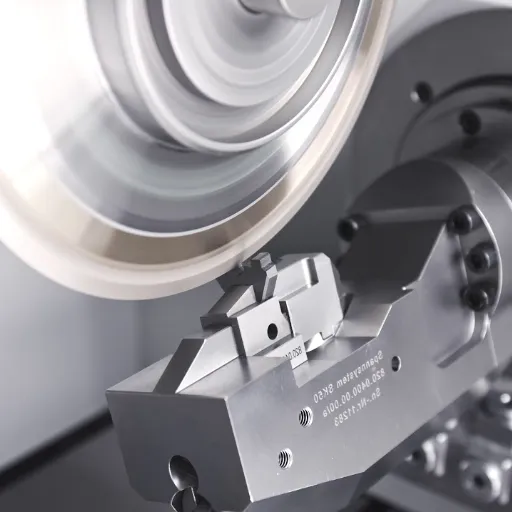
Perfect maintenance of grinding wheels ensures precision, efficiency, and safety in any grinding operation. However, grinding wheels may get clogged, grow out of shape, or simply lose their sharpness over time, affecting performance and compromising the quality of work. This is where grinding wheel dressers come into the picture, offering that necessary support to restore the surface and function of the grinding wheel. This comprehensive guide will explain why dressing of a grinding wheel is required, the procedures involved in this operation, and how the use of the right methods and tools will extend grinding wheel life while enabling better work to be done. Whether you’re a seasoned machinist or just starting, this guide will prepare you to retain your instruments in good working condition.

A grinding wheel dresser is a tool for keeping a grinding wheel’s condition and performance optimal. Grinding wheels, with use, accumulate debris, get glazed, or become uneven, decreasing their grinding effectiveness and accuracy. The grinding wheel dresser helps bring back the sharpness, the correct shape, and the texture of the grinding wheel, thereby allowing for efficient and accurate removal of material from the workpiece during machining operations.
In essence, grinding wheel dressing removes the worn-out or clogging material from the abrasive surface, exposing fresh abrasives beneath. This not only aids performance but also ensures a more consistent finish on the workpiece. Thus, maintenance through dressing helps prolong the grinding wheel’s life and saves time that would otherwise be spent in inefficient working.
With various kinds available, a grinding wheel dresser can be categorized as a single-point dresser, a multipoint dresser, or a diamond dresser. Each is designed for specific applications, thus allowing the machinist to select the particular tool for a particular job. No matter what type of dresser is used, frequent dressing of grinding wheels will maximize machining results and maintain good working efficiency.
The purpose of dressing a grinding wheel is to preserve efficiency, accuracy, and general performance during machining. With usage, grinding wheels may clog, glaze over, or wear unevenly, all of which reduce their grinding efficiency and hence the quality of the workpiece. Dressing the wheel restores the cutting edges of the wheel to their original state for maximum grinding capability.
Dressing a grinding wheel regularly improves the accuracy of machining. An uneven or clogged wheel results in irregular surface finish or inconsistent dimensions on the workpiece. Dressing a wheel maintains its shape and sharpness so that it yields precise results every time. Such characteristics are paramount in the manufacturing of highly precise items where even the slightest imperfection can make a difference in the final product.
Dressing the wheel extends its longevity. This is accomplished by removing debris and worn-out abrasive particles. Dressing ensures that the grinding wheel performs efficiently without undergoing unnecessary strain or overheating. Proper maintenance through dressing enhances productivity in finishing while reducing wastage and frequent replacement of tools—making it a very economical process.
Each tool constituting a grinder and its grinding wheel comprises essential parts, each fulfilling a crucial role in operational effectiveness and performance. The motor, spindle, grinding wheel, and safety features such as guards and shields are considered among the important components.
The motor is the heart of the grinder. It gives energy to the spindle, which rotates at a high speed. The spindle holds the grinding wheel and spins it during the process of material removal, ensuring consistency with precision. Proper alignment is necessary if accurate results are to be obtained. Routine maintenance should be performed on the motor and on the spindle to maintain optimal results.
The grinding wheel is the main tool for cutting, shaping, or finishing flat or curved surfaces. It consists of abrasive grains bonded together to form a hard cutting tool. Depending on the type of work, it will vary in abrasive type, grit size, bond, etc., so that it can be applied in almost any area.
Safety features include wheel guards and emergency stop buttons to protect the operator from dangers. The guards prevent sparks and debris from reaching users, while the emergency stop causes immediate machine shutdown should any accident occur.
Meaningful understanding of these tools and their functions will ensure smooth and safe operation of grinders and grinding wheels with better tool life and better performance output. Proper maintenance and safety guidelines will help retain their performance and reliability.
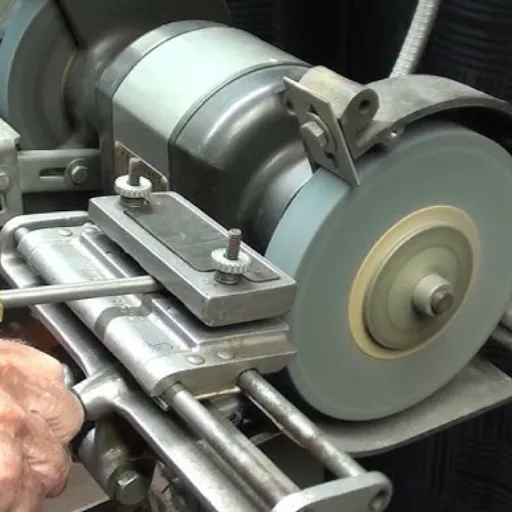
Several factors should be taken into account when selecting the correct grinding wheel dresser for use in order to ensure that the complete process occurs with utmost efficiency and effectiveness. Here are some important considerations that will help in making the perfect choice:
The consideration of the material and type of grinding wheel being used largely influences the choice of dresser. For harder wheels such as those with diamond or CBN (Cubic Boron Nitride), diamond dressing tools are the preferred option because of their greater hardness needed for proper reshaping and cleaning of the wheel. Softer wheels, such as aluminum oxide or silicon carbide, may require a different dressing type for their best performance.
Grinding may require many wheel shapes—cylindrical, tapered, and flat—and the grinding wheel dresser must support these shapes in its application. Single-point diamond dressers work well for simple edge profiling, whereas multi-point or rotary dressers are better for complex wheel shapes.
In an environment where manufacturing goes full blast and dressing is done frequently, the use of automated rotary dressers bestows consistent results with hardly any human intervention. If it’s for occasional or limited use, a manual dresser could suffice, keeping costs down.
Gentle dressing tools may be sufficient for softer workpieces such as aluminum or brass, whereas hard materials such as steel or titanium must be prepared using strong and very high-quality diamond dressers.
A diamond dresser will offer a high initial cost, but it also pays for itself because of its long service life and consistency for the job. Other types, such as star dressers, are cheaper at the start of purchase but tend to wear quickly when used repetitively.
Precision-related applications sometimes require impregnated diamond dressers to achieve tougher finishing on wheels for enhanced surface quality.
Rotary dressing tools are CNC-operated in the latest processes involving precision machining, whereas dressing solutions in software yield the correct speed and feed rates for dressing. Such capabilities help in reducing downtime and further operational efficiency gains.
The highest-quality grinding wheel dressers are crucial tools in the machining and precision grinding process. These wheel dressers are made to restore the cutting face of a wheel to the shape intended, thus ensuring good performance and maintaining accuracy during operations. Dressing the grinding wheels with proper grinding wheel dressers helps in producing a good surface finish with lower material wastage and grinding wheels that last longer.
These dressers powerfully clean off wear debris and shape the grinding wheel to retain its intended geometry for efficient material removal and abrasive applications with precision. Top-quality dressers are meant to last and thus incorporate wear-resistant materials to perform well over the long term, even with heavy-duty usage. Rotary and stationary types of dressers make for more choices for machines, so the user can select the one that suits his or her needs.
Ultimately, the best grinding wheel dressers improve both productivity and the quality of the end product. They lessen the frequency of replacements and downtime and increase operational efficiency. Along with keeping the grinding wheel in shape, proper dressing ensures consistency and accuracy in varied industrial applications.
When comparing dresser types, the primary focus is on their operational mechanisms, durability, precision, and suitability for different applications. Rotary dressers are known for their ability to handle high-volume operations, offering precise and consistent results, especially in industrial-scale environments. They are versatile and used for both simple and complex grinding wheel profiles. On the other hand, stationary dressers, which include single-point and multi-point types, are more cost-effective and ideal for lower volume or less demanding applications. Stationary dressers require manual adjustment but are easier to maintain compared to their rotary counterparts.

Inspect the Grinding Wheel
Check the grinding wheel for visible wear, clogging, or other irregularities. Make certain that there are no cracks or damage that will affect its operational capacity or threaten safety during its use.
Secure the Grinder
Turn the grinder off and unplug it for safety reasons. Ensure the grinding wheel has been mounted firmly and that there are no obstacles around it.
Position the Dresser
Place the dresser on the wheel in a perpendicular manner and keep it firm with one hand to maintain constant pressure so that the dresser does not slip during operation.
Dress the Wheel
Slowly bring the dresser onto the surface of the wheel and apply very little pressure. Make sure to move the dresser uniformly back and forth across the wheel’s surface, ensuring that it is evenly resurfaced and any loose debris is removed.
Evaluate the Results
Once the wheel has been dressed, check it again to determine whether the wheel surface is even and all clogs and irregularities have been removed. Clean the area of any loose debris before going on with the grinding work.
The steps above ensure your grinding wheel maintains its efficiency, precision, and safety in operation. Regularly dressing the wheel not only extends its life but also secures higher accuracy and quality results.
Consider the kind of grinding wheel as you select your dressing tool. You want to have the right tool so that you do not mar the surface of the wheel and end up with inconsistent results. Diamond dressers and star dressers are often used, with diamond dressers being somewhat more precise for most grinding operations. Ensure the tool is sharp and in good condition before use.
While dressing the grinding wheel, make sure you keep the dressing tool at proper angles, generally 10 to 15 degrees slant with the wheel face; this differs with the type of dressing tool employed and the instructions that come with it. Gentle and steady pressure should be applied when dressing the grinding wheel to avoid removal of excessive abrasive material or damage to the wheel structure. People tend to rush over imperfections to speed up their rectification, only to over-dress the wheel and ultimately reduce its lifespan.
Periodic dressing prevents the clogging of the wheel and maintains its effectiveness in cutting operations. Examine the wheel for wear, cracks, or embedded debris before and after dressing. Dressing must be frequent in those applications where very high precision is required so that the wheel remains evenly balanced and sharp; otherwise, the possibility of accidents might be increased and productivity reduced. Safety protocols must always be followed, including wearing eye protection and ensuring the wheel guard is fitted properly whenever dressing occurs.
🔍 Skipping Regular Inspections
Inspection is certainly one of the most common errors when it comes to the grinding wheel, especially before dressing or after. A blind spot for cracks, wear, or dirt means that an accident may occur, equipment damage, or just poor performance. Make it a habit to do a thorough visual check and note anything irregular that may compromise either safety or efficiency.
💪 Applying Excessive Force
Applying excessive force to the grinding wheel as the dressing is performed is yet another common mistake. If too much pressure is applied, the grinding wheel is damaged, dressed unevenly, and then compounded with imbalance. Light and steady pressure should be applied while following the manufacturer’s instructions to preserve the structure of the grinding wheel and to increase its life.
🛡️ Ignoring Safety Procedures
Neglecting such safety considerations as wearing eye protection or confirming the wheel guard is properly fitted increases the risk of injury. Always observe the safety standards established for these operations and always remain alert to protect the operator as well as the equipment in these operations.
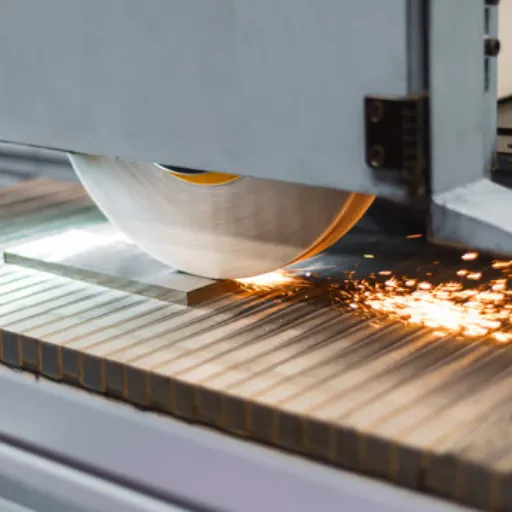
The grinding wheel dresser has to be cleaned after every usage to dust away debris and dust; otherwise, with time, the accumulation of these particles may influence the excellent performance of the tool. Clean the dresser using either a soft brush or soft cloth, ensuring the absence of fine dust particles, which could otherwise be detrimental.
Place your grinding wheel dresser somewhere dry and safe, away from moisture or any physical harm. Never store it in humid areas or in contact with any liquids, as rust or corrosion may form. If a protective case or cover is provided, make use of it to safeguard the tool better.
With time, wear may appear in the dresser in terms of edges being uneven or a sort of deterioration, evidencing the cutting surface. Do minor repair work with reshaping or reconditioning whenever possible. If they are found to be damaged beyond this level, they must be replaced, as compromises in either the safety of the grinding operation or performance thereof may result if a damaged dresser is used in grinding operations.
Grinding wheel dressers inevitably wear out with time, with recurring use and intense operations putting strain upon them. Any unusual-shaped edges or distortions from the original shape of the dresser may reduce its ability to properly condition the grinding wheel. Lowered performance, too, is common—a condition where the dresser is no longer keeping the grinding wheel sharp enough. Cracked, chipped, or otherwise structurally damaged dressers must be discarded immediately; they are no longer safe to use.
Replacement is a must if the signs of wear interfere with either its function or the safety of the grinding process. The dresser under consideration, if damaged and incapable of working properly, would compromise the grinding operation, yield uneven surfaces, and cause safety hazards. Such replacement must be immediate if routine maintenance, like reshaping or reconditioning, cannot return the dresser to full working condition.
By regularly inspecting the dresser for signs of wear and adhering to manufacturer recommendations for usage and care, you can potentially increase the dresser’s life span and have more time for productive work. The safety and performance aspects of the dressing operation should be prioritized—if a dresser is damaged or inappropriate, the work will become hazardous and inefficient. Immediate replacement of any compromised dresser is necessary to ensure safe and efficient grinding operations.
An effective cleaning schedule as well as proper storage of the dresser will prolong the dresser’s life and keep it in run-ready condition. Always clean the dresser after using it to clear any debris, dust, or remaining particles that may have accumulated during the grinding process. Use a gentle brush or a clean, soft rag to remove all the dirt, so you won’t scratch the surface.
Finally, give the dresser regular checks when in storage so that it stays unharmed during this period. Observe signs of wear and tear such as cracks, deformation, and rectify any instances immediately. If you take care of the dresser, clean it properly, and store it well, you will ensure that the dresser becomes safer, easier to use, and longer-lasting.
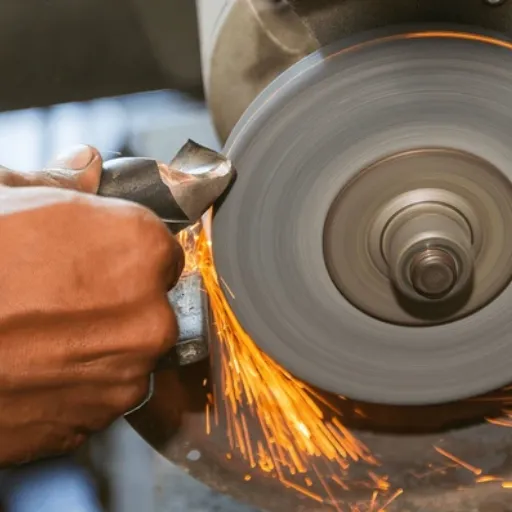
Proper dressing of a grinding wheel receives glowing recommendations for extending its life. Keeping the wheels clean and free from dust and debris ensures that they wear evenly and do not get overheated. By keeping the abrasive surface sharp and active, the wheel can work more efficiently without the need to be replaced too often. Proper maintenance keeps costs down and improves the quality of the tasks undertaken.
Achieving higher efficiency in precision machining starts with planning and preparation. Setting clear objectives for the machining process helps save time and material. Remember that tool selection must take into consideration the material to be machined, as this choice greatly affects machining performance and tool wear. Another major factor is to keep the work area clean and well organized so the process flows smoothly and errors are kept to a minimum.
Machine Maintenance
Properly maintained machines deliver precise and consistent results and are spared from downtime of a mostly unanticipated nature due to breakdowns.
Regular Inspections
Follow a routine inspection program and preventive maintenance schedules to keep equipment in top condition and dependable.
Technology Integration
Using state-of-the-art CNC machines with good programs results in smooth operations and precision.
Ensuring that machinery is well-maintained goes a long way in improving the level of efficiency of the plant. This includes checking the machine alignment, lubricating moving parts, and replacing worn parts. Perhaps the biggest improvement to machining comes from technology. Operator training for fully utilizing the software and features of the tools reduces manual intervention and increases the repeatability of the processes, thus increasing productivity. These methods combine to create an efficient machining environment.
Machining resources and technological improvements significantly influence total manufacturing quality. Precision tools and CNC systems contribute to producing parts with tight tolerances and uniformity in dimension, thus minimizing errors inherent to dimensioning. This level of precision enhances not just the quality of parts but also ensures that the products conform to very stringent industry standards. Manufacturers achieve consistent results and thus minimize reworking and wastage, thereby improving efficiency.
Operator Training
Essential for maximizing advanced machinery during processes without compromising quality
Automation
Reduces variability and improves repeatability in manufacturing processes
Consistency
Ensures total uniformity across the entire production batch
Operator training is also an essential aspect of manufacturing quality. Operators with proficient training maximally use advanced machinery during processes without compromising product quality. Such training minimizes human errors throughout operations, hence keeping machines working at an optimal level. In this way, skilled personnel along with advanced tools create superior products and enhance workflow returns.
Simply put, automation helps in reducing variability and improving repeatability in manufacturing processes. Repetitive tasks that were once prone to inconsistencies when performed manually by human beings are now carried out with complete precision by programmed devices. This ensures total uniformity in the entire bulk of a product, where consistency is of utmost importance. All this goes into forming a robust manufacturing environment that places a great emphasis on top quality.
A grinding wheel is dressed to restore the profile and sharpen the wheel. Various tools are used, such as single-point diamond dressers and multi-point dressers. Generally, light to medium pressure is applied across the wheel face in order to bring the wheel back to its original round state and improve grinding action.
There are several types of grinding dressers available, including single-point diamond dressers, multi-point diamond dressers, and diamond rotary dressers. Each type has its own application and is suitable as a maintenance tool for different types of grinding wheels.
When dressing a grinding wheel, it is important to remove any debris and dulled abrasive grains on the wheel surface, which build up if not taken care of, leading to poor surface finishes. Clearing away the debris from time to time ensures that the surface can cut effectively and can give the finest grinding with longevity to the grinding machine.
A dressing stick may work with some types of grinding wheels, but using the right one for the wheel type and application is paramount. Dressing sticks may be used with abrasive wheels to sharpen, but sometimes, diamond dressing tools can do a better job in maintaining intricate wheel shapes.
A grinding wheel usually needs dressing when it suffers wear and its cutting action reduces, or when glazing becomes evident, or it almost stops being able to rotate smoothly during use. If the finish becomes inferior or inconsistent, it’s time to true the wheel.
A tool rest supports the workpiece during grinding, providing stability and precision. With this, the operator can retain control throughout the grinding process, and it is instrumental in obtaining precise results while grinding using commonly held bench grinders or other grinding machines.
The frequency of dressing grinding wheels depends on everything from the grinding intensity to the type of materials being ground. For heavy use, dressing of the wheel may have to be carried out after every few hours, whereas in light cases, it can be dressed after several work sessions. Regular inspections help in establishing the dressing frequency.