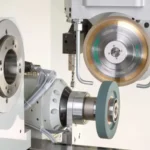
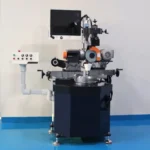
Revolutionary CNC Grinding Wheel Dresser
Transform your grinding operations with precision wheel dressing technology that delivers unmatched accuracy, reduces downtime, and maximizes productivity.


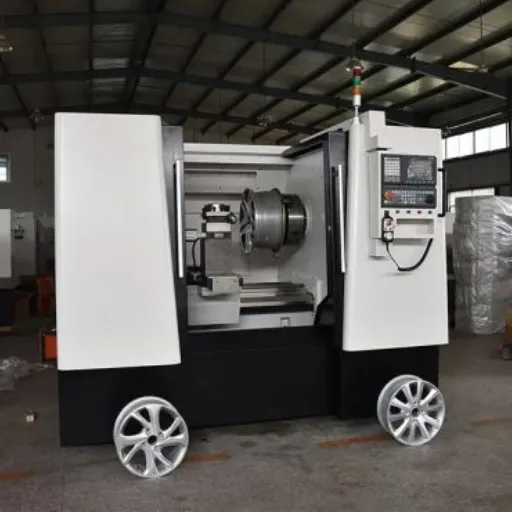
Precision and skill are essential when it comes to restoring damaged wheel rims back to their original condition. The English wheel shaping machine is a perfect example of such a tool—one that has transformed metalworking and repair processes entirely. This comprehensive guide explores the English wheel’s role in wheel rim repair and its outstanding capabilities in reshaping, smoothing, and restoring rims with unmatched precision. Whether you’re an automotive industry professional or an enthusiast seeking deeper knowledge, this article reveals the importance of the English wheel, its applications, and the advantages it offers in wheel repair.
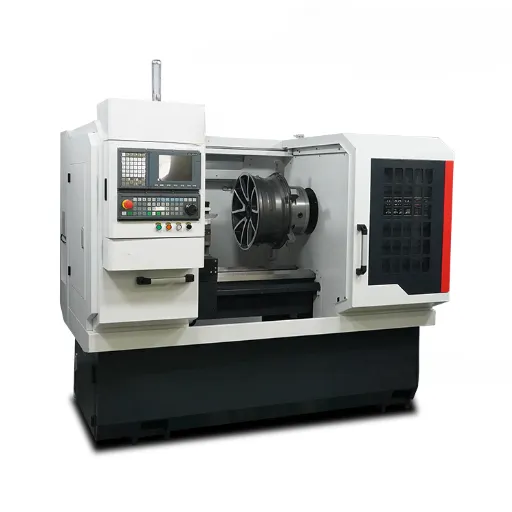
A wheel shaping machine, commonly known as an English wheel, is a precision tool designed for shaping and polishing metal surfaces. This equipment finds extensive use in automobile restoration, metal fabrication, and the artistry of creating panels with curves or contours. The apparatus consists of a robust frame, a top wheel, and a bottom anvil wheel, which work together to elongate and smooth metal through repeated rolling passes.
During operation, a sheet of metal is positioned between the two wheels while pressure is applied. Through controlled movements, the operator gradually deforms the metal to achieve the desired curvature or contour. Although the procedure demands skilled personnel and considerable time investment, the results yield shiny, smooth finishes without requiring welding or joining—making this process exceptionally efficient for delicate parts and restorations.
The wheel shaping machine operates on the principle of cold metal forming, where dies or wheels gradually shape metal through controlled pressure application. The anvil wheel and upper shaping wheel work in concert, stretching and contouring metal simultaneously to form desired shapes without heat application. This approach preserves material quality throughout the entire process.
Operators position the metal workpiece between the wheels and apply pressure through manual adjustments or mechanical systems. The wheels gently manipulate the material, enabling creation of smooth curves, complex contours, or flat surfaces according to project requirements. By adjusting pressure and wheel angles, operators achieve precise control essential for accurate, detailed results.
Eliminates need for additional operations like welding or extensive sanding
Forms complex shapes without heating, reducing energy consumption significantly
Supports sustainable metalworking practices through reduced resource consumption
The wheel shaping machine comprises several critical components, each indispensable for proper operation:
| Component | Function | Importance |
|---|---|---|
| Shaping Wheel | Exerts precise pressure for molding metal into desired shapes | Primary contact point for metal forming |
| Adjustable Support System | Securely holds metal and collaborates with the wheel | Ensures stability and accuracy during shaping |
| Control System | Manages pressure and speed settings | Enables customized designs with high accuracy |
| Framework | Provides solid base for the machine | Guarantees longevity and prevents operational breakdown |
Table: Essential components of a wheel shaping machine and their functions
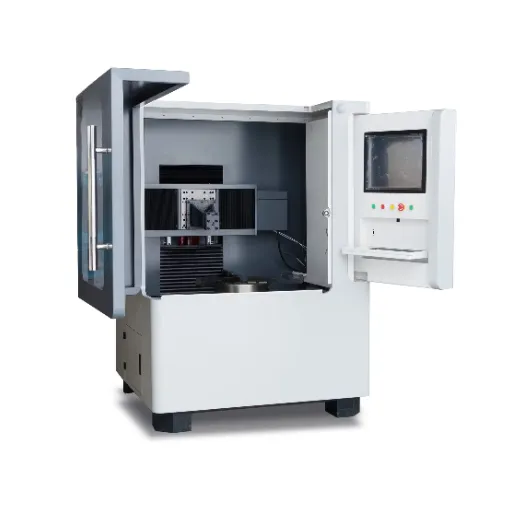
Manual and CNC wheel shaping machines serve different metalworking purposes, with selection depending on specific customer requirements. Understanding the distinctions between these options helps determine the most suitable choice for your operation.
The choice between manual and CNC wheel shaping machines depends on your specific requirements:
Heavy-duty wheel shaping machines represent unparalleled tools for precise creation and modification of wheels across automotive, railroad, and industrial sectors. Constructed with emphasis on handling heavy, bulky materials, these machines deliver the strength and toughness necessary for executing complex shaping tasks efficiently while guaranteeing consistent results in high-volume production scenarios.
The manufacturing process remains incomplete without alloy wheel shaping machines, which produce the most accurate and finest quality wheels. These machines maintain necessary uniformity and durability—critical factors in meeting safety and performance standards. Modern alloy wheel shaping machines employ innovative methods that strengthen alloys, offering wheels with optimal strength-to-weight ratios essential for superior vehicle performance.
Faster production with maintained quality standards
Reduced material waste and shortened cycle times
Accommodates various designs and customizations
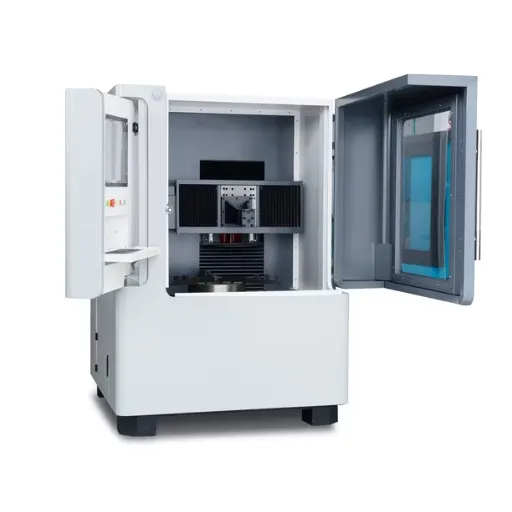
Within the automotive industry, wheel shaping machines play a crucial role in alloy wheel repair. Whether damage stems from bends, cracks, or structural flaws, these machines rehabilitate alloy wheels to their original shape and quality quickly and efficiently. The reshaping process maintains utmost precision, ensuring wheels conform to required structural and safety standards—vital for both vehicle performance and passenger safety.
The repair process identifies damaged areas and subjects them to the wheel shaping machine for reforming. Advanced methods apply precise pressure and movement to remove defects while preserving material integrity. This capability reduces waste significantly, as wheel repair typically proves more cost-effective and environmentally friendly than complete replacement.
01
Assessment: Identify damaged areas and evaluate repair requirements
02
Preparation: Position wheel in shaping machine
03
Reshaping: Apply controlled pressure to restore form
04
Verification: Confirm structural and safety compliance
Alloy rim repair and restoration proves essential for maintaining vehicle wheel functionality and aesthetics. Rims sustain damage from curbs, scratches, or corrosion over time, diminishing vehicle appeal and potentially causing wheel performance issues. Repairing damaged wheels maintains structural strength, preventing driving safety risks that might otherwise occur.
Restoration extends rim lifespan, eliminating expensive replacement costs. Services restore rims to original condition at significantly reduced expense.
Fewer rims reaching landfills means reduced environmental burden. Restoring existing wheels conserves resources and minimizes waste.
Professional repair maintains structural integrity, ensuring wheels meet safety standards for continued reliable performance.
Custom metal shaping represents a multi-purpose operation enabling industries to create unusual and practical designs. This method allows metal to be reshaped, bent, or molded into exact forms required for specific applications. From automotive restoration through architectural enhancements, custom metal shaping provides flexibility and precision that standard methods cannot achieve.
| Industry | Application | Benefits |
|---|---|---|
| Automotive | Specialized parts manufacture, vintage car restoration | Perfect compatibility, high durability, superior performance |
| Construction | Railings, panels, structural elements | Functional strength combined with aesthetic appeal |
| Interior Design | Decorative fixtures, custom metalwork | Eclectic styling with functional expression |
Table: Custom metal shaping applications across industries

An English wheel shaping machine supplies unparalleled precision in metal parts manufacturing. Through controlled pressure and smooth passes, the machine permits formation of intricate curves, bends, and contours with exceptional accuracy. This precision ensures metal pieces assemble without gaps—critical for both functional and aesthetic applications.
Uniform shaping with every pass produces flawless, smooth surfaces
Same detail achieved with minimal variation across repetitions
Surgeon-like precision minimizes material waste on first attempts
Enhancing efficiency in wheel repair procedures centers on precision, resource conservation, and waste reduction. The English wheel stands among leading techniques for improving efficiency—with quality shaping enabling technicians to repair wheels with minimal errors or material loss. When perfect shaping occurs on initial attempts, repair processes achieve greater efficiency, saving both time and resources.
Advanced techniques including heat treatment and alloy reclamation further increase overall efficiency. These methods restore damaged wheels’ structural integrity while minimizing effort and material consumption. Combined approaches enable technicians to produce quality results cost-effectively.
Investing in proper wheel repair methods delivers substantial cost benefits for companies. Choosing repair over complete replacement saves money on raw materials, labor, and whole-wheel purchases. Repair processes consume fewer resources while requiring shorter operational timeframes, reducing overall costs. Maintaining wheels in good condition prolongs their lifespan, decreasing replacement frequency and associated expenses.
| Cost Factor | Impact | Savings Potential |
|---|---|---|
| Direct Material Costs | Eliminates need for new wheel purchase | High |
| Operational Efficiency | Reduced fuel consumption and vehicle wear | Medium-High |
| Downtime Prevention | Continuous vehicle operation maintained | High |
| Environmental Compliance | Meets corporate responsibility goals | Medium |
Table: Cost-effectiveness factors in wheel repair operations

Wheel repair processes continue modernizing through automation, introducing efficiency, precision, and consistency into previously manual tasks. Automated systems streamline operations using advanced tools including robotic arms and computerized diagnostics, significantly reducing repair timeframes while ensuring quality consistency throughout production.
3D imaging and laser scanning accurately determine damage extent
Easily accommodates higher demand while maintaining quality
Reduced human participation in hazardous tasks
Addresses skilled worker shortages in the industry
CNC technology has achieved remarkable strides, revolutionizing manufacturing and production processes. Robotic integration and automation represent principal advancements enabling machines to perform activities with utmost precision and reliability. This minimizes human errors while accelerating production and opening possibilities for intricate designs previously impossible through traditional methods.
Software and digital connectivity introduction has proven transformative for CNC technology. Modern systems integrate with CAD/CAM software, facilitating seamless designer-to-producer workflows. Remote monitoring and troubleshooting capabilities increase system efficiency while reducing downtime, making CNC machining more versatile and applicable across wider industry ranges.
AI Integration
Machine learning algorithms optimize cutting paths and predict maintenance needs
IoT Connectivity
Real-time monitoring and data analytics for process optimization
Sustainable Manufacturing
Energy-efficient operations and waste minimization protocols
Environmental considerations in machine design involve dedication to sourcing eco-friendly materials with reduced ecological impact. Minimizing total energy consumption represents a primary concern in modern machine design, achieved through advanced technologies including power-saving motors and smart control systems. Beyond cost savings, lower energy consumption benefits the planet by reducing carbon emissions associated with electricity production.
Design of a Device for Precision Shaping of Grinding Wheel Macro-and Micro-Geometry – A study on devices that enhance the precision shaping of grinding wheels, focusing on macro- and micro-geometry.
Structural and Parametric Analysis and Synthesis of the Shaping System for Wheel Dressing of a Face Grinding Machine – Research on the shaping system for wheel dressing, analyzing the impact of angular settings on grinding wheel shapes.
Improving Efficiency of Gear Shaping of Wheels with Internal Non-Involute Gears – A paper discussing the efficiency and productivity of gear shaping machines for wheels with internal gears.