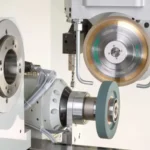
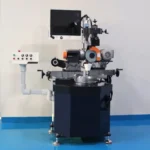
Revolutionary CNC Grinding Wheel Dresser
Transform your grinding operations with precision wheel dressing technology that delivers unmatched accuracy, reduces downtime, and maximizes productivity.


A properly maintained grinding wheel is fundamental to achieving precision, sharpness, and optimal results in any grinding operation. Over time, grinding wheels can develop irregularities, become uneven, or glaze over—all of which compromise performance and produce substandard outcomes. This comprehensive guide explores everything you need to know about grinding wheel dressers and how to maintain peak grinding performance.

A grinding wheel dresser is a specialized instrument designed to maintain the sharpness, cleanliness, and optimal shape of a grinding wheel’s cutting surface. During regular use, grinding wheels accumulate debris, lose their cutting edge, and may become irregular. The dresser addresses these issues by reconditioning the outer surface, exposing fresh abrasive material, and restoring the wheel to its original form.
💡 Key Insight: Regular dressing not only extends the life of your grinding wheel but also significantly improves the quality of your finished work, making it an essential component of any grinding operation.
Several varieties of grinding wheel dressers exist, each suited for distinct applications. Handheld diamond dressers utilize industrial diamonds to cut worn material with exceptional precision, achieving the finest quality finish. Star dressers operate through rotating blades that cut and reshape the surface, offering an economical choice for general applications. For high-volume or demanding operations, production-grade dresser machines deliver the speed and uniformity required for consistent results.
Better Surface Finishes
Achieves smoother, more precise grinding results
Reduced Overheating
Minimizes heat damage to workpieces
Prevents Breakage
Eliminates uneven wear that causes wheel failure
Different types of grinding wheel dressers serve specific applications and requirements. The major categories include single-point, multi-point, diamond, and rotary dressers. Each tool maintains grinding wheel surfaces by removing debris and shaping them for precise, accurate grinding.
High-quality dressers enable reshaping with utmost precision, maintaining consistent performance. This precision is essential for producing parts with tight tolerances and excellent surface finishes in industries that demand accuracy.
The materials and design determine longevity. A quality dresser provides extended performance with fewer replacements and shorter downtime, handling numerous grinding tasks without losing effectiveness.
An ideal dresser accommodates various grinding wheel materials and shapes while being simple to handle and operate. This versatility meets diverse industry demands without requiring constant alterations.

Grinding wheels serve as critical tools in manufacturing, shaping and finishing raw materials across numerous industries. In metalworking, they remove surplus material, smoothen surfaces, and improve accuracy. They form the backbone of cutting, sharpening, and deburring operations, ensuring parts meet strict specifications for performance and safety.
Automotive & Aerospace
Engine components, turbine blades, precision parts requiring high tolerances
Tool & Die Making
Manufacturing molds, dies, and equipment requiring exact specifications
Tool Maintenance
Sharpening drill bits, saw blades, and cutting tools
Grinding wheel performance directly influences efficiency, accuracy, and quality across industrial operations. Characteristics including composition, structure, and abrasive material type determine cutting, shaping, and polishing effectiveness. The appropriate grinding wheel delivers significant productivity gains through reduced processing times while maintaining high accuracy and finish quality.
The abrasive and bond type determine material interaction. Harder abrasives like aluminum oxide or silicon carbide suit tough materials such as steel or ceramics. Softer abrasives work better for delicate or brittle surfaces where damage must be minimized. Proper wheel selection ensures adequate workpiece processing while reducing tool and machinery wear.

Examine the Grinding Wheel
Inspect closely for glazing, wear signs, and damage before dressing. Check for imbalances and embedded debris that can degrade performance over time.
Secure Your Tools
Ensure the grinding machine is not in operation and is firmly fixed in place. Wear appropriate protective gear including helmet, goggles, and safety equipment.
Select the Right Dressing Tool
Choose the appropriate tool (diamond dresser or dresser stick) matching the wheel type and application to achieve optimal results.
Position and Apply the Dresser
Position the dressing tool at the correct angle against the wheel. Apply only slight pressure while moving along the surface to maintain proper form.
Final Inspection
Re-inspect the wheel for roughness, irregularities, or imperfections. If clean and well-shaped, perform test runs at operating speed to verify safety.
Use dynamic balancing and dressing tools regularly. Balancing ensures even weight distribution, reducing vibration for more precise grinding results.
Operate within recommended speed ranges and apply constant, gentle pressure. Correct grinding pressure reduces wear and minimizes overheating.
After each use, remove debris, coolant, and deposits. Inspect for cracks, chips, or wear and replace immediately if necessary.
Using an incompatible dresser leads to uneven wear, reduced efficiency, and potential damage to both wheel and workpiece.
Too much pressure causes excessive dresser wear, wheel imbalance, and reduced lifespan for both components.
Worn or damaged dressing tools fail to properly dress wheels, resulting in poor grinding performance.

Heat treatment significantly enhances dresser longevity and performance through controlled heating and cooling of metals to improve hardness, strength, and resistance. Properly treated dressers handle extreme pressures and temperatures generated during grinding while maintaining consistent reliability. Common treatment methods like quenching and tempering balance hardness and ductility to prevent excessive brittleness.

Superior Precision
Maintains wheel edge and shape with exceptional accuracy
Extended Lifespan
Diamond hardness provides superior wear resistance
Enhanced Productivity
Faster wheel conditioning minimizes downtime
Cost Efficiency
Reduced replacement frequency lowers long-term costs
Diamond dressers serve a broad spectrum of industries requiring enhanced precision and efficiency in machining and grinding processes. Their significance peaks in applications demanding fine, precise grinding wheel surfaces. Through reshaping and resharpening, diamond dressers ensure uniformity, minimize surface irregularities, and improve finished product quality.
The automotive and aerospace industries represent the most significant applications, where precision engineering requirements are absolute. Diamond dressers machine engine components, turbine blades, and critical performance parts. Their durability and high-temperature resistance provide outstanding advantages in these demanding applications.