Revolutionary CNC Grinding Wheel Dresser
Transform your grinding operations with precision wheel dressing technology that delivers unmatched accuracy, reduces downtime, and maximizes productivity.


The correct grinding and cutting wheels are the first step towards a proper use of angle grinders and that will be the point where the differences start to show in terms of efficiency, precision, and safety. There are plenty of abrasive wheels on the market in different types, from aluminum oxide to zirconia, and you might even get confused about which one is the best for your project. This guide’s purpose is to cut the ambiguity down, it will offer you basic knowledge on the various kinds of grinding and cutting wheels, their materials, and best-use scenarios. No matter if you are a professional tradesman or a DIY enthusiast, through this article, you will get the power of knowledge enabling you to always choose the right wheel for the job and thus use the smarter way of working rather than the harder one.
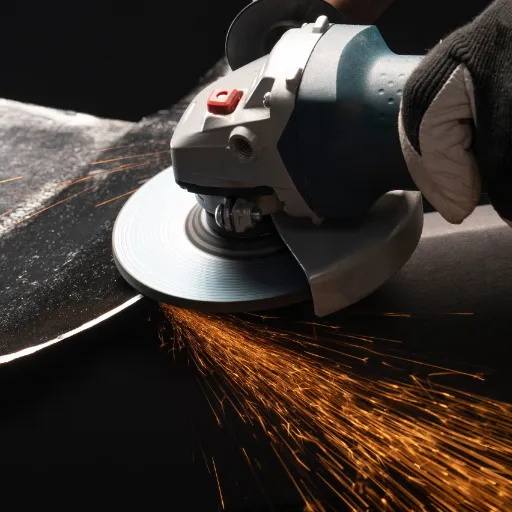
Grinding wheels are multi-functional instruments that have their usage in almost all industries for jobs such as cutting, grinding, and finishing. They consist of the same number of granules of abrasives joined together with a certain material which not only shapes the wheel but also gives it strength. The function of these abrasive granules is to cut off the workpiece, whether it is a metal, stone, or any other surface, precisely and efficiently. The decision about the grinding wheel to be used will depend on factors such as the material that is going to be worked on, the type of finish desired in the end, and the specific operation to be performed.
The two major parts of a grinding wheel are the abrasive and the bond. The commonly used abrasives are aluminum oxide, silicon carbide, and diamond each chosen depending on its efficiency to cope with the particular application. The bond keeps the abrasive grains in place and influences the wheel’s lifespan, porosity, and cutting speed altogether. The threshold of cutting performance and lifetime in the context of the wheel is determined by the blend of abrasive and bonding materials.
Selecting a grinding wheel also directs a user’s attention towards its shape and size as these characteristics are responsible for the cuts or finish type that can be achieved. For instance, flat wheels are appropriate for surface grinding; on the contrary, cylindrical wheels are made for complicated shapes and contours. Comprehending these basics increases the chances for the selection of the right grinding wheel thus leading to the effectiveness in terms of both time and quality of the final product.
A cut-off wheel is a particular kind of tool that is used mainly for cutting through a range of materials like metals, concrete, and ceramics. They are very thin, disc-shaped wheels made with an abrasive material that help in cutting in a very precise and efficient way. Usually, these wheels are found in power tools like angle grinders and also in specialized cutting machines.
The design of cut-off wheels puts clean and accurate cuts as the main objective. Their thinness causes them to remove less material than the thick wheels during the cutting process, which leads to less heat and material loss. Hence, they are the best for precision tasks such as cutting through metal pipes, trimming bolts, or slicing sheet metal.
⚠️ Safety Note: A cut-off wheel can be used properly and safely if the right type of wheel for the material to be cut is chosen and its compatibility with the tool being used is checked. The users must follow the safety measures like using the right protective gear and operating the tools at the right speed. This way not only is the performance the best but also the safety of the operator is ensured.
Cut-off wheels are considered tools with myriad applications. Their ability to make precise cuts in a variety of industries has made them the most sought-after construction tools. Materials like steel rebar and concrete are some of the most durable types of material being cut, so efficiency and accuracy become paramount. In the automotive world, these tools are used to cut or repair metal parts that need to have their exhaust systems trimmed and panels cut. They are fairly indispensable because the kind of cuts they make are perfectly smooth as well as accurate.
As in any industrial setup, cut-off wheels are used in manufacturing industries for the processing of raw materials, forming of metal parts, or meeting production needs. Thus in fabrication shops, they are used to cut sheet metal, pipe, and other components into exact measurements. This ability to cut production time and labor means that while workers take less time to manufacture, their productivity remains the same with the production of high-quality products. The versatility allows them to be used for large-scale cutting as well as maintenance and detailed metalworking operations.
Apart from this, the aerospace and energy sectors even enjoy the precision and reliability that cut-off wheels afford to them. The aerospace cutting edges need primarily cutting of high-strength alloys or lightweight composite materials for aircraft components where precision really matters. Similarly, in energy sectors such as solar power or oil and gas, these tools are used against really hard materials, such as stainless steel or carbon fiber, enforcing their importance in both structural integrity and operational effectiveness. The wide number of applications of cut-off wheels only goes on to prove their importance in industries that call for precision and reliability.
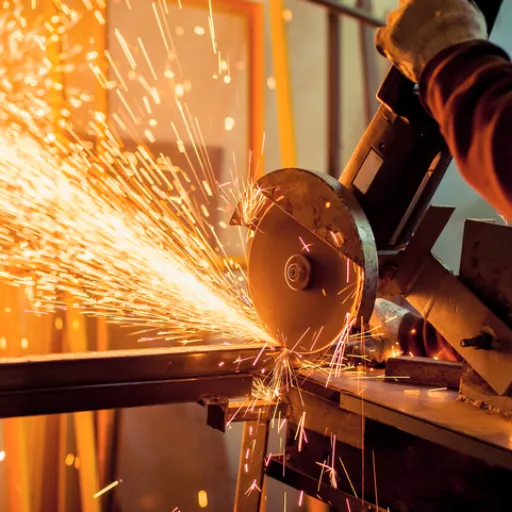
The abrasive composition is one of the parameters that determines the performance and thus the suitability of grinding and cutting wheels for specific tasks. Abrasives are those materials that are directly responsible for cutting, grinding, and shaping any surface they come in contact with. Typical types of abrasive materials found in abrasive compositions include aluminum oxide, silicon carbide, zirconia alumina, or ceramic grains, all chosen depending upon their suitability and durability with respect to handling materials of different characteristics and applications they have to undergo.
The bonding material used for joining abrasive grains is another factor that affects the behavior of the tool. Most grinding and cutting wheels are bonded with either vitrified or resin bonds. Vitrified bonds are rigid with good strength properties and hence are used for operations where high precision and high speed are critical. Resin bonds are flexible and hence are used in applications requiring a smooth finish or low surface damage. The selection of abrasive composition depends on the requirements of the job and hence understanding the materials and requirements of the operation is important.
Grinding materials interact with bonding agents; this defines the performance, durability, and efficiency of abrasive tools. On the other hand, the choice of a bonding agent will determine the cutting ability of the tool and how well it handles heat or stays intact in normal working conditions over an extended period. Innovations in bonding technologies have introduced novel materials and processes, which have in turn led to further improvements in mastery of tool precision and durability.
Metal bonds are prepared using different compositions with the metals bronze, cobalt, or nickel. Having a great resistance to wear and being thermally conductive, these types of bonds are suitable for operations requiring high temperatures and heavy grinding. Recent reports in the industry uphold that abrasive tools having metal bonds have exhibited 20 percent enhancement in durability in highly demanding applications such as diamond grinding wheels.
This bonding method involves depositing a monolayer of abrasive particles on the surface, usually with nickel. Electroplated bonds are treasured for their precision and minimal material consumption. Industries like aerospace and automotive, where precision grinding matters, make heavy use of it.
Being a marriage of the properties of resin bonds and vitrified bonds, hybrid bonds represent a new advancement in bonding agents. They allow one to work with materials with more heat resistance and strength, increasing the machining efficiency. Studies reveal that the hybrid bond technology can enhance material removal rates by almost 30% over those of conventional resin bond wheels.
Knowing the ins and outs of bonding agents is crucial for an informed choice of the right tool for given applications. With this platform for innovation, the future looks bright for bonding technology, giving industries other advanced solutions they can depend upon.
Type 1 wheels are flat cutting wheels, while Type 27 wheels have a depressed center, offering different functionality and versatility.
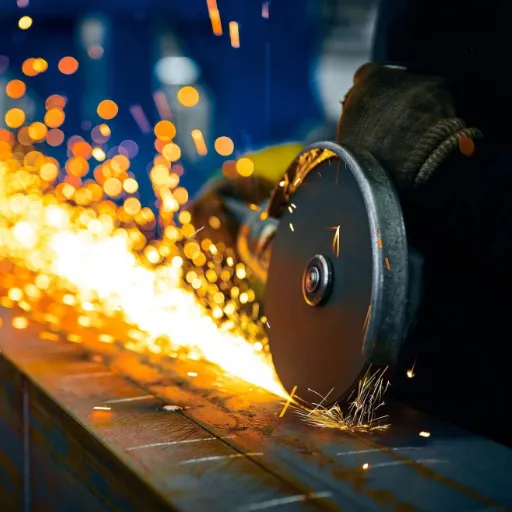
Properly considered, these factors not only enhance efficiency but also bring about their safety along with the longevity of the tool and operator.
The abrasive tools’ grit, being the size of the abrasive particles on the tool surface, greatly affects the finishing of the work and efficiency itself. Smaller grit numbers refer to larger, coarser grains that are suited to fast material removal and making rough finishes. On the other hand, larger grit numbers refer to finer particles, making them suitable for making smooth finishes and doing detailed work. It is this differentiation that is found necessary to understand so that the proper grit can be selected for the particular service that one has in view.
Grit influences the tool’s finishing, durability, and performance. An incorrect choice of grit will prematurely wear down the tool and possibly damage the workpiece. Matching the grit to the application improves productivity, thereby extending the tool and material life.
Grit selection will depend on the consideration of one working on a certain material and the finish one would like to achieve. For softer objects such as wood, slight levels of grit, maybe 40 to 80, will get the job done well since it will be removing much of the material in a short period. Conversely, coarser grit levels on harder materials like metals tend to leave marks on the surface being worked upon; therefore, it should be maintained finer than 120.
More so, what are you trying to accomplish? If the machine is to remove a surface defect or shape a material heavily, use coarse grit; for intermediate smoothing, medium grit is appropriate; and for polishing and lighter finishing, fine grit is necessary. Matching the grit to the task yields efficiency and far less wear on the grit and workpiece.
📌 Pro Tip: Consider the conditions of the application, such as time constraints and desired outcomes. Test various grits as changes in grits can affect speed and accuracy. With some experience and selecting the correct grit, one can have consistent results, improved tool life, and finish quality.
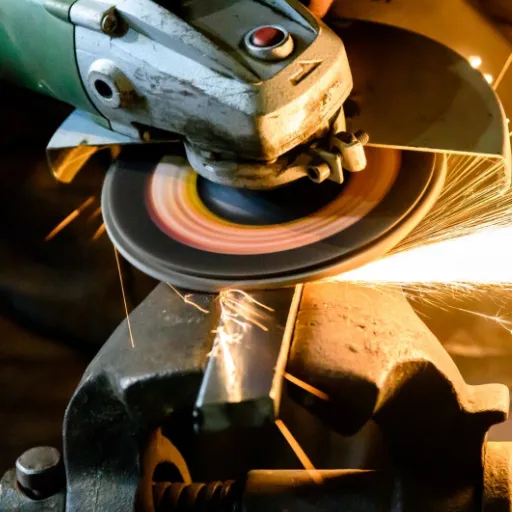
The use of cut-off wheels requires the complete set of PPE to be used to ensure safety and prevent injury. At the very least, operators must wear safety goggles or face shields to keep their eyes and faces safe from flying debris and sparks. High-impact rated eye protection is necessary due to fragments of cut-off wheels that can travel at very high speeds.
Ensure that all PPE is appropriately fitted and maintained to guarantee that maximum protection is afforded. Consistent use of proper PPE certainly will go a long way in reducing the risk of accidents and injuries to operators within the workplace.
Regular maintenance and proper handling will contribute greatly to the enhancement of the life of the tool and your safety during operation.
Cut-off wheels are powerful tools that pose significant safety risks if not used properly. Below are some common hazards and practical ways to avoid them, supported by recent data and industry practices:
Risk: Usually, it is one of the most treacherous hazards of cut-off wheels. It may be caused by the use of a faulty or inappropriate wheel, unduly high pressure, or wrong mounting. Recent safety studies show that breakage causes 70% or more of all abrasive wheel accidents.
How to Avoid:
Risk: In circumstances where a cut-off wheel is used on a machine for which it is not made or is operated at an exceeding speed than it is expected to be used at, accidents can happen. For example, OSHA had reported that one of the most frequent causes of accidents is the usage of a wheel in a machine that exceeds its maximum RPM rating.
How to Avoid:
Risk: When the PPE is not worn properly by the operator, it opens avenues for potential eye or face injury. Anything from flying debris, sparks, and wheel fragments can cause grievous injury. Safety statistics reveal that close to 30% of workplace eye injuries could be prevented if proper PPE were used.
How to Avoid:
Risk: When the cutting wheel clutches the material, it either snags or jerks violently, causing a momentary loss of control. It is highly commonplace in high-speed operations of high speeds.
How to Avoid:
Risk: Doing operations such as cutting materials, especially metals or stones, generates some dust or fumes that can cause respiratory problems if exposed for long periods. Air quality studies indicate that workers exposed for long periods to silica or abrasive dust have a higher risk of developing any lung disease.
How to Avoid:
⚠️ Accidents can be avoided through strict adherence to safety rules and recommendations emanating from industry bodies. Safety is an ongoing activity that guarantees the effective and injury-free use of cut-off wheels in any operation.
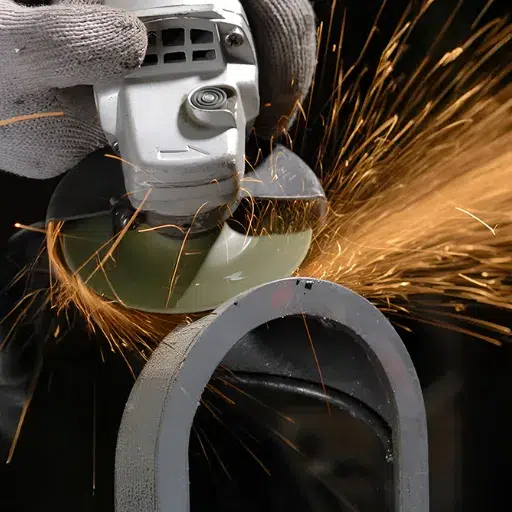
Proper maintenance practices are essential to maximize the lifespan and performance of abrasive wheels. Start by storing the wheels in a dry, temperature-controlled environment to prevent damage from moisture or extreme temperatures. Always ensure they are kept flat or in their original packaging to avoid warping or cracking.
Maintaining the tool in good working condition prevents unnecessary stress on the wheel and promotes consistent, safe operation. By adhering to these simple yet effective maintenance practices, you can ensure both safety and long-term use of your abrasive wheels.
Wheels should be examined before each use for signs of wear to ensure safe and efficient operation. Typical indications of wear may include visible cracking, chipping, or unevenness on the surface of the wheel. If the surface is too smooth or it has rounded edges instead of sharp cutting surfaces, the grinding wheel might no longer be effective and should be discarded immediately.
Never disregard the manufacturer’s instructions that detail the expected lifespan of the abrasive wheel as wearing it beyond the expected limit increases the chances of its failure. It is also good to store and handle abrasive wheels in a manner that preserves their integrity. The timely replacement of worn or damaged wheels minimizes the chance of accidents and ensures optimal performance and safety levels in their employment.
The proper storage of abrasive wheels contributes significantly to retaining their integrity and supporting their safety during use. Thus, ensure abrasive wheels remain stored in a dry area, excluding moisture or temperature extremes, for they can deteriorate or alter the structural bonding of the wheel. According to OSHA guidelines, the wheels should be stored either on an entirely flat and stable surface or on racks that do not allow warping of the wheels or exert pressure on them, thus giving unwanted distortion.
The storage room must be isolated from vibration sources, as vibrations can cause tiny, invisible cracks in the wheels. If these storage instructions are followed to the letter, the working life of abrasive wheels can be prolonged by organizations and individuals alike, while ensuring the extremities of operational safety.
A: Cut-off wheels are cutting wheels designed for quick and clean cuts on various materials-type metal and masonry. Since they have a thinner profile, these thin wheels create a smaller kerf and allow faster cutting with less material waste. They are used mainly with right-angle grinders and can make quick work of cutting both ferrous and non-ferrous materials.
A: Grinding wheels work for grinding, shaping, and finishing surfaces, while cut-off wheels are purely for cutting. Grinding wheels tend to be thick and are used wherever material removal or surface preparation is involved. In contrast, cut-off wheels are concerned with the clean cutting of materials with as little removal of material on struts as possible.
A: Cutoff and grinding wheels are certainly formed from an array of abrasive materials. The most common types are aluminum oxide, white aluminum oxide, and ceramic wheels. Each works differently in respect to durability and efficiency of cutting, depending on what application it is being used for. Fiberglass reinforcement can be added to enhance the wheel’s strength and safety.
A: The selection of the right wheel is very important for the processes to perform well and last longer. The factors such as what kind of material is being cut, desired cut rate, or application being pursued determine the selection of a wheel. For example, a thinner wheel will make for a faster and cooler cut, whereas a thicker wheel may stand in better for grinding.
A: The fiberglass reinforcement imparts additional strength and stability to cut-off and grinding wheels, allowing them to resist high speeds and pressures during operation. The reinforcement prevents wheel breakage, thereby resulting in a safer working environment. The layers of fiberglass reinforcement also add to the sturdiness and the lifespan of the wheels.
A: Cut-off wheels are of many types, including flat type 1 cut-off wheels for straight cutting, and type 41 and 42 wheels for all sorts of applications. Each of them comes with special features for particular cutting applications could be as cutting metal or masonry applications.
A: The grains in cutting wheels have a tremendous effect on the wheel’s operation. A few different grains-perhaps aluminum oxide and ceramic-have different degrees of hardness and cutting efficiency. As wheels wear down, they expose newer grains that, after being exposed, help maintain the cutting action of the wheel. Knowing about grain types can help you choose the right wheel for your project.
A: Flap discs are composed of multiple layers of abrasive cloth flaps adhered to a backing plate, and this creates a hybrid grinding and finishing action. Since they can be used for grinding as well as polishing surfaces, they are far more versatile than the traditional grinding wheels. They excel at contouring and finishing applications, making them a favorite choice in metal fabrication.
A: The RPM rating for a wheel is very important for safe and proper use. If a wheel is rotated at RPMs greater than the rated RPMs, it is bound to break or get damaged. The wheel should, therefore, be matched for its RPM rating to the speed of the tool that is used to keep the operations of cutting and grinding smooth and safe.
Guide to Cutting Wheels – Weiler Abrasives: This guide explains the differences between cutting wheels and grinding wheels, including their functions and structures.
Getting to Know Cut-off and Grinding Wheels – Virginia Abrasives: This resource provides details on different types of grinding and cut-off wheels based on the materials they are designed to cut.
Cut-Off and Grinding Wheels Made Simple – Kimball Midwest: This blog discusses the uses of cut-off and grinding wheels, including their applications in shaping and cutting metal.
Safety – Cutting vs. Grinding – Norton Abrasives: This article focuses on the safety aspects of using cutting and grinding wheels, highlighting their design and proper usage.
Grinding Wheel – Wikipedia: A comprehensive overview of grinding wheels, their composition, and their applications in abrasive machining operations.