Revolutionary CNC Grinding Wheel Dresser
Transform your grinding operations with precision wheel dressing technology that delivers unmatched accuracy, reduces downtime, and maximizes productivity.


The diamond profile grinding wheel is recognized as a must-have product for industries requiring precision and durability. This high-tech tool profiles and grinds with remarkable accuracy, providing an easy way of shaping complex forms, creating sharp edges, and attaining smooth surfaces on highly tough materials. Whether you are an experienced professional in construction or a meticulous craftsman, the diamond profile grinding wheel will definitely become your best ally. We will explore how this machinery works, the major benefits it provides, and why it has become the go-to solution for anyone seeking above-average performance and durability. Don’t miss the opportunity to discover how outstanding results can be achieved with the right grinding wheels.
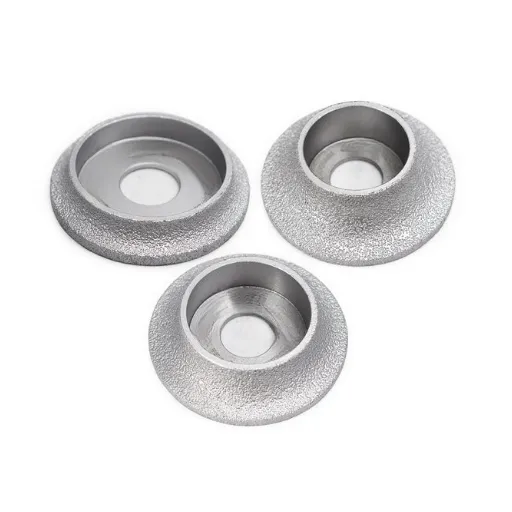
A diamond profile grinding wheel is a specialized tool used in grinding and shaping applications to provide definite contours and smooth surfaces on varied materials. This wheel is embedded with industrial diamonds—one of the hardest materials on earth—making it highly effective for cutting, grinding, and shaping extremely hard materials such as stone, concrete, ceramics, and certain metals.
Their primary function is to create profiles, or designs, on materials. These can include chamfering edges, rounding corners, and even grooving with accurate specifications. The tool has been designed to provide versatility, allowing it to handle both delicate carving and heavy grinding jobs. Being exceptionally durable and efficient, the diamond profile grinding wheel is the choice for several industries, including construction, manufacturing, and stone fabrication.
Long operational life and consistent performance are two essential advantages of using diamond profile wheels. The sharpness of diamond grains is retained for extended periods, causing lower wear compared to conventional abrasive materials. This results in higher-quality finishes with reduced material loss, simultaneously saving costs and improving productivity for precision operations.
Diamond profile wheels have certain key elements whose combination contributes to their efficiency and robustness. The first is diamonds, a vital component in enabling the grinding and shaping work. These can either be embedded or coated grains on the face of the wheel and are essential for absolute precision in the operation of workpieces. The quality and concentration of these diamonds play major roles in the tool’s overall performance.
Another crucial element is the bonding material used to hold the diamond grains in place. The bond can be made from metal, resin, or a hybrid of these materials, depending on the specific use and conditions under which the tools operate. The bond provides essential rigidity that offsets wear losses while maintaining cutting performance efficiency by controlling the diamond grain exposure. Good bonding is instrumental in increasing the wheel’s lifespan and maintaining work performance throughout its term.
The wheel’s core or substrate provides structural support for the tool. Made from an alloy or steel, it must have the strength to withstand mechanical forces and vibrations without compromising its capabilities. This component ensures that a wheel retains its actual shape and proper alignment for precision assignments. All of these elements combined transform a diamond profile wheel into a high-performance machine found in an array of industrial applications.
| Component | Material Options | Primary Function |
|---|---|---|
| Diamond Grains | Industrial diamonds (natural or synthetic) | Cutting, grinding, and shaping materials |
| Bonding Material | Metal, resin, or hybrid bonds | Holds diamond grains in place and controls exposure |
| Core/Substrate | Steel or metal alloy | Provides structural support and stability |
Profile wheels are designed to last long and perform well, so multiple steps are needed to make them strong, precise, and efficient. The wheel core is designed and fabricated from metal. This core is made to handle the mechanical forces necessary for profile wheel operation.
After fabricating the core, metal bonding with the diamond layer—the working part of the profile wheel—is performed. In the diamond layer, diamond particles are dispersed in the bonding agent in a way that allows for optimal cutting, grinding, and extended tool life. The bonding agent can be metal, resin, or another potent binding material. Having the diamonds well-distributed and evenly spread throughout the binding agent increases cutting effectiveness and prolongs the wheel’s usability.
The profile wheel then undergoes rigorous testing and quality control measures to meet performance standards and deliver optimum function. Checks cover parameters like balance, concentricity, and cutting precision to assure the wheel’s performance parameters. This comprehensive approach to profiling ensures that all wheels operate at a superior performance level across various industries.
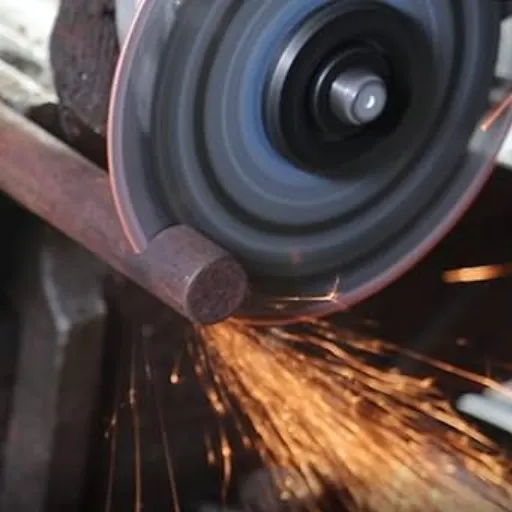
Diamond Profile Grinding Wheels play an important role in the automotive industry, guaranteeing precise shaping, contouring, and finishing of various components. These wheels are essential in manufacturing engine components, braking systems, and transmission components which require precision to ensure optimal performance and safety levels. By providing exceptionally precise and consistent grinding results, diamond profile wheels help maintain strict standards in automotive manufacturing processes.
Furthermore, utilizing these grinding wheels offers notable advantages when working with hard materials. These materials include hardened steel from which many automotive parts are made, ceramics, and composites. Diamond wheels can maintain sharpness and consistency for extended periods, reducing downtime through less frequent replacements and thereby contributing to improved cost-effectiveness and productivity in manufacturing plants.
Additionally, developments in diamond grinding wheels greatly support innovative automotive technologies like Electric Vehicles (EVs). They allow the production of components that are less dense yet robust, which are vital for increasing an EV’s efficiency and range. This proves how important diamond profile grinding wheels are to advancing automotive engineering while ensuring quality and sustainability.
Diamond grinding tools play a very essential role in manufacturing components for aerospace because they allow precise shaping of key materials such as titanium alloys and metal matrix composites. These materials are chosen for different applications requiring strength, heat resistance, and lightweight properties, yet they are very difficult to machine. With diamond grinding wheels, manufacturers can utilize superior cutting and gripping ability with precision to mill difficult materials to the tight tolerances and surface finishes required to meet aerospace standards.
In aerospace, diamond grinding wheels find extensive applications in producing components for gas turbine engines. Components like turbine blades require efficient workpiece movement, and surface integrity acquires greater importance since they work under extreme conditions of heat and pressure. Using diamond wheels makes it possible to achieve the needed blade quality while ensuring operational efficiency and extended tool wear resistance.
Moreover, diamond grinding wheels have found vast applications in boosting the life and performance of landing gears, seals, and structural parts. The grinding wheels are capable of handling hardened, durable, and robust materials which are labor-intensive to machine. That way, these critical unit parts are able to meet aerospace safety and performance demands. Precision in grinding is a make-or-break affair for efficient and safe flight in today’s aircraft.
Diamond grinding wheels assume critical importance in shaping and cutting hard metals with remarkable precision and cutting efficiency. They are an inseparable part of manufacturing operations for steel, titanium, and alloys that require high-grade tooling parameters and features. These grinding wheels’ ability to keep their edges sharp and resist wear is crucial when cutting some of the toughest materials in order to achieve consistent quality.
Diamond grinding wheels have hardness and cutting properties unlike any other, ensuring superior precision even in the most complicated applications. They are frequently used in intricate manufacturing processes where component accuracy and a fine finish are paramount. Moreover, diamond grinding wheels reduce material waste and production time while ensuring that manufacturers have equipment to carry out their operations efficiently.
Another major merit attributable to diamond grinding wheels in metalworking is their contribution to tool longevity. These wheels, by making cleaner cuts and producing less heat during grinding, extend the useful lives of both the tools and workpieces. This aligns perfectly with sustainable manufacturing practices, allowing companies to meet and deliver on production requirements while saving substantially on operational expenses. Therefore, when it comes to functionality regarding precision and productivity, diamond grinding wheels are an invaluable resource for metalworking.
Engine components, brake systems, transmission parts, EV components
Turbine blades, landing gear, titanium alloys, structural components
Steel processing, titanium machining, precision alloy work
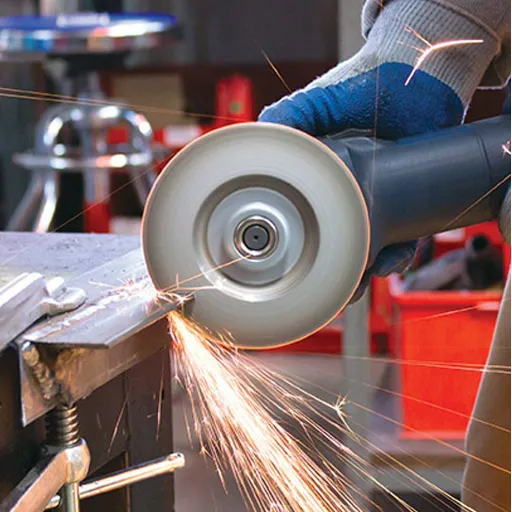
Surface grinding is a precise method where smooth flat surfaces are created on workpieces. The procedure consists of a rotating abrasive wheel that abrades the surface of a workpiece at a controllable rate. It allows for very fine surface finishing and very close tolerances, and is necessary for applications requiring a high level of precision.
Used for shaping and finishing the external and internal surfaces of cylindrical objects, the process involves workpiece rotation and a rotating wheel that grinds at the desired rate. It is prevalent in manufacturing mechanical and automotive components as well as anywhere that needs extreme precision work and consistency.
A workpiece doesn’t need a fixture or spindle to aid its machining. It can be set on an edge and is held in place as two wheels—grinding and regulating—perform their duty in grinding the workpiece to form and finish. Its usage is markedly efficient in machining small, intricate workpieces. Consequently, this is the process frequently used when requesting the manufacture of finished parts in production models, due to its speed and the quality it offers in maintaining uniformity.
Effective grinding involves focusing on detail and becoming acquainted with essential rules to achieve desired grinding results. The first issue is picking the correct grinding wheel needed for the targeted material. Different materials—metals, ceramics, and composites—all need specific abrasives and grit sizes for achieving desired finishes and preventing wheel wear unnecessarily. Any grinding should begin by consulting material-specific guidelines and establishing compatibility.
Proper cooling is critical during grinding operations. Adequate coolants prevent heat from affecting workpiece manufacturing accuracy. Heat buildup can cause thermal damage, warping, or burn marks on tougher-to-work alloy parts. Consulting wheel manufacturer literature should reveal how to minimize heat-related damage on difficult materials.
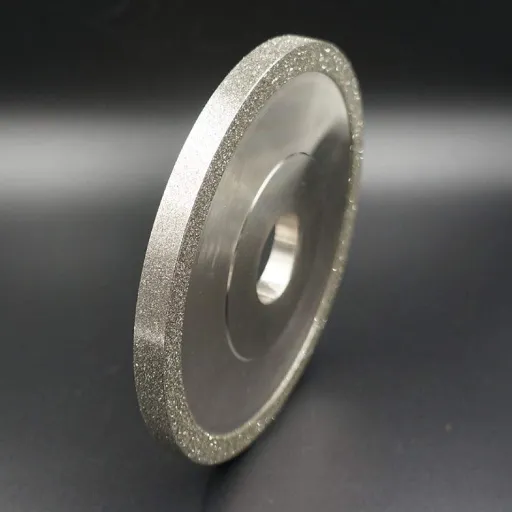
The common challenge in grinding wheel profiling is the weakening or wearing of the grinding wheel. This could be a result of prolonged usage where heat becomes a factor, or misapplication of pressure. To address this problem, always maintain a proper cooling method, such as using appropriate coolants during the grinding process to keep down operating temperatures. Maintaining the right shape for the wheel before applying pressure can also ensure consistency of material removal and extend the wheel’s lifetime.
Another factor is inconsistent material removal. It might lead to uneven surfaces, and in extreme circumstances, it might magnify errors on the finished product. To eliminate these inconsistencies, periodic dressing of the wheel is necessary. Well-dressed wheels help cut more efficiently and deliver even performance, reducing the chance of inconsistent results.
Substandard wheel or workpiece alignment can cause uncertainty in grinding processes. Misalignment can be due to improperly operated machines or worn machine components. Therefore, ensure that all alignments are done correctly, starting from the calibration process of grinding components. Misalignment results in loss of accurate alignment of working components, making the mechanism less effective. Through proper time-based maintenance with detailed regular checks, misalignments and inaccuracies due to wear can easily be prevented.
Issue: Wheel Wear and Weakening
Solution: Use proper coolants, maintain correct pressure, and ensure proper wheel shaping
Issue: Inconsistent Material Removal
Solution: Perform periodic wheel dressing and maintain sharpness
Issue: Misalignment
Solution: Regular calibration, proper machine maintenance, and component inspection
Grinding equipment and similar devices often encounter limitations that handicap their performance and reliability. These limitations include excessive wear of components, constant misalignment, and hindered operational efficiency because of considerations like high temperatures and moisture in the environment. These limitations reduce the useful life of devices and hamper the efficient output of quality work.
Scaling up maintenance measures becomes critical. This means implementing actions such as timely inspections to ensure parts are properly lubricated, troubleshooting and calibrating critical components to maintain correct alignment. Incorporating protective measures against environmental elements, such as covers to prevent dust or moisture intrusion, are good practices. Additionally, machine operators need to be aware of operational issues and, through early identification of wear or damage, can determine if maintenance would suffice.
In cases of more serious limitations related to structural constraints or outdated designs, resolving issues may mean upgrading certain parts or literally adopting a more modern system consonant with today’s operating demands. In particular, investment in precision-engineered advanced machinery will improve performance and reliability. To truly overcome limitations, one needs a mix of a farsighted approach to maintaining machines in good order, proper use, and making appropriate improvements to equipment to ensure long-term productivity.

The use of advanced material compositions in the diamond profile grinding industry is one of the newest trends. These new compositions concentrate on promoting efficiency and durability in diamond-fed operations. Higher-quality synthetic and natural diamond content is believed to enhance bond materials, keeping wheels completely precise after extended wear periods. New grinding wheels with these advanced features tend to work far longer without deterioration, and their performance is smoother. These changes are finding favor in complex operations like micro-electronic machining and are working relentlessly to satisfy the growing demand for ultrafine precision-driven operations, primarily in areas such as aerospace, automotive, and electronics.
With regard to grinding wheels’ production, sustainability is a solid forthcoming focus. Manufacturers of these abrasive wheels have aimed to embrace greener processes and materials. This includes recyclable bonding agents used in these wheels and sustainably-sourced diamonds. Manufacturers strive to use eco-friendly, energy-efficient manufacturing techniques to lower their environmental burden. This trend, in line with global efforts for green industrial activities, ensures that grinding wheels are economically efficient as well as environmentally compliant in meeting industry standards.
Diamond wheel profiling, with the innovative infusion of smart technologies, is on its way to being more influential in an industry where maximum use is made of products’ potentials. Sensors and real-time monitoring are increasingly being integrated into grinding equipment, providing precise control over manufacturing while enabling predictive maintenance. All these developments enhance process efficiency by minimizing downtime and detecting early signs of wear. The use of data analytics aligns maintenance with permanent performance optimization, consisting of constant quality improvement and extending diamond wheel grinders’ life. These overriding elements continue to shape the future of diamond grinding technology.
Technological advancements have significantly improved the efficiency of grinding processes. Automation and computer-controlled systems have streamlined operations, reducing human error while enhancing precision and repeatability. With these improvements, grinding cycles are faster, resulting in consistent workpiece quality, saving time and resources. Advanced sensors allow machines to monitor real-time conditions and make immediate adjustments to enhance performance and reduce waste.
Technology has extended the life and performance values of grinding tools. Advancements in materials science have given rise to stronger and more wear-resistant wheels capable of enduring greater pressures and higher temperatures. Predictive maintenance, powered by data analytics, means that tools are checked for signs of wear and replaced in good time before failure occurs, preventing downtime and guaranteeing continuous operations. This trend allows grinding processes to become more cost-efficient.
Modern technology has enabled grinding processes to answer diverse, intricate demands of sectors like aerospace, automotive, and medical manufacturing. Customization such as adaptive tooling and intelligent software allows complex, minute designs to be manufactured. These capabilities, together with consistent performance and reliability in meeting strict tolerances, find their pride of operation in precision-critical areas. Grinding processes keep advancing to generate progress in technology and industry.
Artificial intelligence (AI) and machine learning are key drivers set to create a great metamorphosis in the grinding industry. They will enable grinding systems to become more self-aware so that optimization through real-time analysis is complemented by predictive maintenance. Reduced downtime, greater production output, and improved accuracy in manufacturing are some of the best end results anticipated as the need for perfection ascends across industries.
Another indispensable chapter will be seen in mills with regard to sustainable practices in grinding. Manufacturers intend to promote sustainable practices with energy efficiency as the starting point. This includes addressing problems of possible recycling of wastes and implementing solutions to wasteful operations. Compliance with global and national sustainable development goals, combined with meeting the mounting demand for environmentally responsible production, will drive adoption of such practices.
New materials, coatings, and abrasives will soon make it possible for grinding systems to work on increasingly complex and hard-to-machine materials like advanced composites and superalloys. This will open up unique applications in aerospace as well as medical devices and other industries that require high precision and durability.
Diamond profile grinding wheels are evolving with AI integration, sustainable manufacturing practices, and advanced materials. The future promises enhanced efficiency, reduced environmental impact, and unprecedented precision across all industries.
Innovation continues to redefine what’s possible in grinding technology!
The cutter geometry should be considered when selecting the radius required for profiling and feed rates, as well as the desired finish on the workpiece. Conventional wisdom is to pick the radius that closely maintains the tool profile or allows for a slightly overcut to allow for dressing. Once the moulder knives are measured, the grinding operator or service technician can specify the required radius for diamond hand dressing or CNC profiling to create a finished product.
Grinding wheels need to be reprofiled at periodic intervals based on various conditions such as wheel hardness, work material type, bond type, surface speed, and grit size. Grinding wheels dressed at the proper time are likely to exceed their average life expectancy.
Vacuum brazed wheels can be profiled, but it is important to apply good dressing technique. Because vacuum brazed wheels have very rigid bonding, diamond dressing or some specialized dresser is needed to form and maintain profiles without damaging the bond. Careful maintenance and handling will help prevent chipping.
The frequency of grinding will rely on several factors, including how much material was removed, the tolerance required, and how often the tool is used. For workshops that grind tough materials like tool steel and must sharpen mill knives, profiling could be a daily or even weekly occurrence. Good judgment and regular monitoring of part quality will allow for an appropriate sharpening and dressing schedule to be established.
Often, re-grinding centers profile the wheel to make replacement wheels or new abrasive surfaces conform to the employed cutter shape. Precision setup service providers may also work with vacuum brazed wheels and profile generation work to ensure proper conformity.
Best practices suggest using the right grinding wheel speed and dressing tools, verifying wheel balance and concentricity, and logging profiles for cutters. Operators should be trained on the use of diamond profile hand tools. Maintenance should identify the proper time for sharpening, or if necessary, contact qualified service support.
Correct profiling assists in producing the right edge geometry and results in less heat and mechanical stress being built up during grinding, thereby elongating the life of moulder knives for better performance in actual cutting. When the profile is not maintained correctly and doesn’t meet factory specifications, knives experience performance issues. Profiles should follow a due maintenance schedule and accuracy standards to ensure satisfied cutters and less downtime.
The 7 Factors Used to Determine a Grinding Wheel – A guide on selecting grinding wheels, covering abrasive grains, grit sizes, and bonding agents.
Precision Profiling of Conventional Abrasive Grinding Wheels – Information on custom precision profiling of grinding wheels using materials like aluminum oxide and silicon carbide.
How Are You Profiling Your Grinder Wheel? – A discussion on profiling grinder wheels using carbide dressing blocks and templates.
ANSI B7.1 – The Industry Standard for Grinding Wheel Safety – The industry standard for safety requirements in the use and care of abrasive wheels.