Revolutionary CNC Grinding Wheel Dresser
Transform your grinding operations with precision wheel dressing technology that delivers unmatched accuracy, reduces downtime, and maximizes productivity.


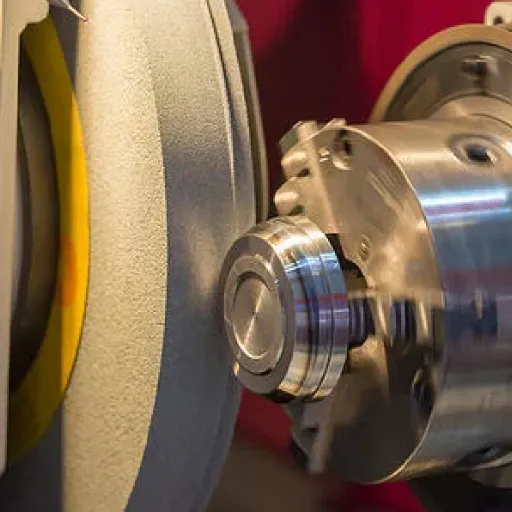
The conditioning of the grinding wheel is key in the Calibration Setup for precision machining or grinding operations. Over time, grinding wheels get worn, clogged, or lose their evenness on the surface and the performance goes below par; the results are thus compromised. Hence, there are truing and dressing. These very important maintenance processes restore the correct profile and sharpness to the grinding wheel and guarantee consistent performance and longer life of the tool. This article gives importance to truing and dressing, how they differ, and how they affect the grinding operations for best performance. In these finer details, whether you are in the trade for several years or just beginning, you will find lots of useful information to help upgrade your processes to achieve good finishes.
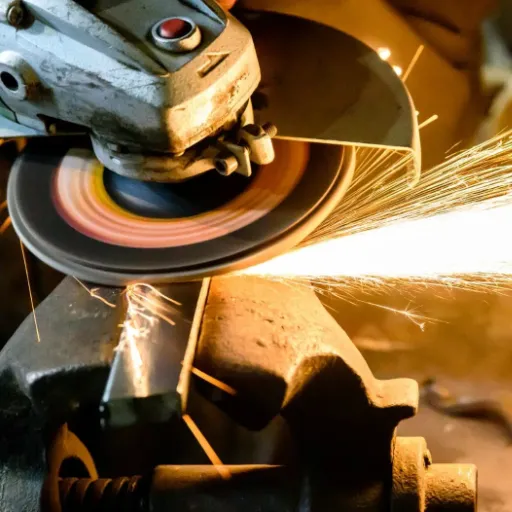
Generally, a grinding wheel is a circular tool in a grinding system to achieve cutting, shaping, or finishing surfaces on metals, ceramics, or composites. This wheel has abrasive grains held together by a bonding material, thus allowing fine precision and smooth finishing on workpieces. The respective abrasive grains perform a cutting action by removing very small amounts of material as the wheel rotates rapidly.
Wheels are made in different sizes, shapes, and specifications to meet the demands of different grinding operations. The nature of the abrasive, bonding material, and grit size determines the performance of the wheel and its suitability for a given job. For example, fine-grit wheels are generally used for finishing while coarse-grit wheels are used for heavy material removal. Some wheels are designed to work best with specific materials, so the selection process becomes vital for obtaining the best results.
Grinding wheels find application in metalworking, manufacturing, and construction trades as a means of finishing components with respect to size, surface texture, or even functionality. On account of the greater versatility mentioned, the grinders can have something like the sharpening of cutting tools for welds, or surface preparation for coatings or assemblies: they form grinding tools. Maintaining grinding wheels in trued and dressed conditions will assure operators of consistent performance, longer life, and super finishes for any particular grinding operation.
Key Point: CBN grinding wheels are ideal for hard ferrous materials, while diamond wheels excel at grinding hard non-ferrous materials.
Now, dressing and truing are the methods to rehabilitate grinding wheels that allow them to work efficiently and give accurate results. Both are essential steps to maintain the actual shape, surface, and function of a grinding wheel with extended use. Quite often, dressing and truing are used interchangeably, but the two processes are really different.
Into the turning of a grinding wheel, the original shape and concentricity are being restored. Grinding wheels, depending on the nature of the process, could very well be rendered unbalanced or develop minute surface profile irregularities through marring by abrasive action. By turning, the wheel is corrected by removing the top layer of its abrasive surface to realign it; hence, the wheel rotates evenly. Truing is most useful when a very high precision grinding operation is being undertaken, as it ensures uniform rates of material removal by the grinding wheel and prevents errors from creeping into the work during its operation.
The dressing process, in contrast, conditions the surface of the grinding wheel. Sitting for a time, the wheel would get loaded; glazing or clogging thereupon can dull the cutting action. Dressing removes this layer and exposes new sharp grains beneath the surface so that the wheel can cut or grind efficiently. Tools of dressing may be dressing sticks and diamond dressers to maintain a high level of performance. Regular dressing and truing are good for extending wheel life while ensuring good quality results for precision machining.
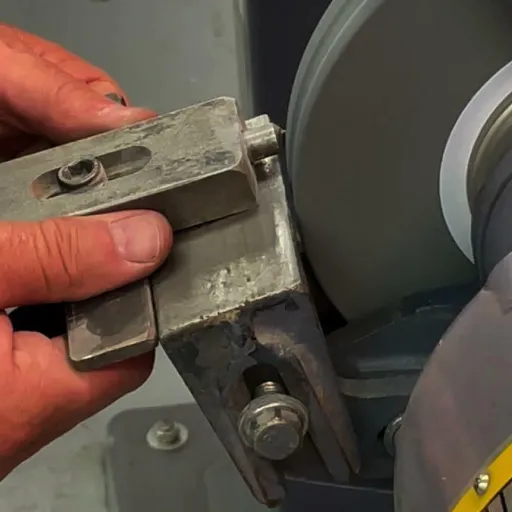
Grinding wheels, when glazed or loaded with materials, may lose their cutting efficiency with time. So, those abrasive grains must be sharpened through dressing so that the wheels can continue grinding efficiently. The industry says that dressed grinding wheels can increase material removal rates by 25%, which helps in making machining processes faster and cost-effective.
The dressing of the grinding wheel helps to maintain the wheel’s profile and consistency. Filing results in smooth and precise finishes on the workpiece. Studies show undressed wheels are often associated with defects such as burns or surface irregularities that may lead to poor product quality.
Due to the wearing down of the grinding wheel, the dressing should be done in proper maintenance to minimize the wear and tear on the grindstone and, hence, on the working life of the grinding wheel. Proper maintenance keeps the wheel in shape and maintains its abrasive properties. Manufacturers observe a reduction in wheel replacement costs by nearly 30% depending on the intensity of usage.
Through dressing, abrasive grains are freshly sharpened, and the grinding wheel has the best contact possible with the material, allowing it to be accurately ground to tight tolerances. This is very crucial in the aerospace, automotive, and medical device industries.
An undressed grinding wheel tends to be out of balance and thus vibrates loudly. The dressing of grinding wheels rectifies these problems, allowing the wheel to rotate smoothly; hence there is reduced noise in the working environment. Studies indicate that proper dressing helps in minimizing vibrations to acceptable levels in occupational safety standards.
Aged grinding wheels weaken with time and are subject to breaking under working conditions. Dressing at regular intervals takes care of wear patterns and prevents cracking or any other damage, thus maintaining a safe working atmosphere for machining.
If companies implement this dressing procedure in their maintenance in their plants, they can increase their productivity, reduce operational costs, maintain a safer workspace, and consistently provide quality results.
Grinding efficiency increases while surface finish improves with periodic dressing of the grinding wheel, as the wheel is always in its most optimum shape and performance. A clean grinding wheel causes almost very little friction and heat so that grinding is rapid and burning of surfaces, or damage thereto would be impossible in these conditions; hence the effectiveness. Energy advantage can also be realized for production processes optimized through its application.
The simultaneous dressing of wheels cleans by removing clogged materials and dulled abrasive grains, thus restoring wheel sharpness. That restoration is critical because all precision finish machining must achieve a precise and uniform surface finish on the workpiece. The sharp contact brought with dressing allows much finer finishes and dimensional repeatability to be reached, which are the chief requirements in precision machining operations.
Dressing also helps increase the lifespan of the grinding wheel by opposing any associated irregular wear pattern that may cause cracks. Hence, the less the downtime because of a wheel failure, the more safety is assured. A periodic dressing schedule will guarantee that the operation is performed according to quality standards with efficiency and cost-effectiveness in the long run.
The neglect of wheel dressing in precision machining operations can pose some serious repercussions, affecting both aspects of safety and productivity. One of the most immediate consequences is a grinding wheel’s performance decline, which should otherwise have its abrasive surface maintained by dressing. A wheel in poor condition not only produces subpar finishes leading to product quality loss but also and rework or waste of materials can become really costly.
The situation can easily get worse since another major impact is the grinding wheel and the machine together suffering increased wear and tear. Regular dressing is a way of keeping uneven surfaces or debris in check and preventing them from creating imbalances during operation. This can lead to unnecessary strain on the machine’s components, thereby causing premature failures or increased maintenance requirements. In addition, a wheel that is not properly maintained can create a lot of heat and friction which, in turn, may lead to the occurrence of safety hazards such as cracks or wheel breakage.
Lastly, neglecting wheel dressing led to a reduction in overall efficiency and cost-effectiveness. Non-uniform grinding patterns not only slow down the production but also increase the cycle times which, in turn, result in shortages and inefficiencies. Furthermore, operational costs may go up as frequent wheel replacements or repairs become necessary. The routinely done wheel dressing thus becomes an indispensable factor for the maintenance of quality, efficiency, and safety in machining processes.
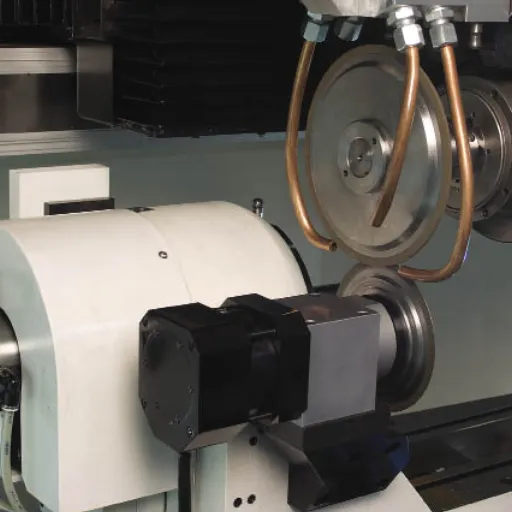
It is very important to select the right dressing tool as it directly affects the grinding result and also helps in prolonging the life of the grinding wheel. Various dressing tools have their own fields of application and they can be made from different materials. The following are the major categories of dressing tools along with their uses:
Single-point diamond dressers are the most prevalent tools that are used for dressing conventional grinding wheels. They are basically composed of a single diamond fixed at the tip and are good in precision applications. These affairs are mainly concerned with the sharp and accurate cutting edges. It has been found that these tools often last even up to 50% longer than expected when the right quality grinding wheels are being used along with dressing conditions that are uniform.
Multi-point diamond dressers are the ones that have many diamonds set into the tool face. They are not only more durable but also suitable for dressing larger grinding wheels or when the precision form shapes are not the main focus. Multi-point tools have been indicated to perform by 20-30% more dressing operations as compared to single-point; this can considerably minimize the downtime in the production lines.
Rotary dressers are made up of rotating diamond-coated wheels or discs. They are extremely efficient when it comes to grinding wheel shapes that are difficult to do or when high precision is required. Their automated and repeatable operation is suitable for applications that demand consistency in results such as the aerospace and automotive industries. Research shows that rotary dressers can cut the cycle time by as much as 40%, which will result in substantial cost savings.
These non-diamond tools are made of materials like aluminum oxide or silicon carbide. Stick dressers are a very economical option for carrying out basic dressing tasks, especially for small grinding wheels. The diamond-based tools are very accurate as compared to stick dressers, however, the latter offers a good alternative for less-critical applications or when the materials are soft for grinding wheels.
Formed dressers are made of special tools that are designed and built to custom specifications to shape grinding wheels with certain profiles. They have a higher initial cost but are indispensable for applications in which grinding wheels need to conform to complex or dicey geometries. Their presence is very much felt in the sectors of precision manufacturing, where the tolerance limits are extremely tight.
Choosing the right dressing tool means weighing up your production goals closely with the nature of your workpiece and the requirements of your grinding operation. The right dressing tool will not only give you better performance but also lower the costs and support the reduction of wear and tear on your grinding wheels.
Before starting the process, make sure that your grinding wheel and dressing tool are fixed steadily and aligned accurately. Clean the work area thoroughly, and wear the right personal protective equipment like goggles and gloves to secure yourself during the whole process.
Align the dressing tool with the grinding wheel at the right angle as required by your operation. Ensure that it is tightly held to prevent any movement; otherwise, the dressing may not be even and the wheel may get damaged.
Switch the grinder on and let it reach the speed that has been set for its normal operation. Do not go beyond this speed limit as it can ruin the wheel as well as the dressing tool.
Position the dressing tool on the spinning grinding wheel with the use of constant and very light pressure. Move the dressing tool across the surface of the wheel uniformly to remodel it, eliminate dirt, and revive its cutting surface.
Turn off the grinder after dressing is complete, and check the wheel for smoothness and lack of chips or other irregularities. If the desired condition is not achieved, repeat the whole process.
When the dressing of the wheel is done to your satisfaction, clean the area around the wheel to get rid of any debris or particles that might have been generated in the process. This not only helps in staying safe but also prevents contamination during the next operations.
If you follow these steps closely, you will be able to keep your grinding wheel efficient, precise, and durable. Proper dressing of the wheel is a necessary part of ensuring both the quality of your machining results and the lifetime of your tools.

Truing stands for the act of re-establishing of the proper shape and centricity of a grinding wheel which is the reason that it rotates uniformly and it is performing accurately. The grinding wheels have the tendency to lose their roundness or become uneven because of the wear and tear or improper use, and the truing process corrects these by taking off a certain amount of the material from the wheel, thus the wheel regains its form and balance.
This operation is crucial since an out-of-round or a bad grinding wheel means the work done by the machine will be anywhere from slightly to severely inaccurate and the outcome will be of low quality. Moreover, it may cause the machine to vibrate while operating and not only it affect the quality of the work but it also makes it a safety hazard and the machine’s grinding could even get damaged prematurely. Truing is the remedy for these situations as it gives the operation a smoother character just like it was the case with the always-trued wheels and hence, consistent performance.
Truing is done when required, acts as a maintenance to the grinding wheel that keeps it effective and prolongs the period of usage. Another significant advantage of regular truing is that problems that are capable of affecting the quality of machining are stayed away from while reductions in the time taken for wheel replacement or equipment breakdown associated with truing are also experienced. This, in turn, guarantees both quality in your work and the durability of your machines.
Truing and dressing are intertwined processes that maintain the essential functions of a grinding wheel, yet they are not the same. The objective of truing is to bring back the original shape and centricity of the grinding wheel. It is normal for grinding wheels to lose their shape or get misaligned due to continual use. Truing helps to profile the wheel the right way and keeps it spinning smoothly and uniformly while in use.
Dressing, in contrast, is aimed mainly at cleaning and conditioning the surface of the grinding wheel. It does the following: it removes accumulations of material or debris that might be clogging the wheel, and it roughens the surface to make the cutting grains of the wheel new and sharp. This process gives the wheel cutting efficiency and also prevents a problem known as glazing, which is where the grooves in the wheel surface become so smooth that they can no longer grind effectively.
The two processes serve different purposes but they work synergistically to keep the grinding wheel performing at its best. Usually, truing is followed by dressing since a properly shaped wheel surface is a must before the application of fresh abrasive grains. The processes not only guarantee precision and efficiency but also contribute to longer life spans in grinding operations making the use of the two processes a necessity for high-quality machining.
Proper truing of grinding wheels requires the highest quality truing devices or tools that match the specific wheel and machining needs. The most popular tools are diamond dressers and rotary truing systems because they offer precision and reliability. Precise positioning of the truing tool in relation to the grinding wheel is required to get the needed shape and to make sure that there is equal wear across the whole surface of the wheel.
It is necessary that the wheel be rotated at the right speed during the truing process. If the wheel is turned at the right speed, it will damage the surface a little and the alignment will also be accurate. Besides, the tool should be applied with the same light and constant pressure, as more force than necessary will cause the surface to be uneven or the wheel to be degraded.
Lastly, one should periodically check the grinding wheel and the truing tool for wear or damage. Good maintenance practices enable one to do replacements or adjustments in time, thus avoiding problems during machining. It is also very important that tools are properly cleaned after each use so that no residue is left that would interfere with subsequent truing operations. By adhering to these measures, grinding operations will be effective and generate excellent machining results.

Wheel dressing is a practice that, when done effectively, can make the machining process accurate and the life of the tool longer. One of the places that might serve as an example is the turbine blade manufacturing, which is done in the aerospace industry. Besides the fact that it is expensive to produce turbine blades even by the manufacturers, their maintenance would still be harder without a constant dressing process. The dressing prevents the cutting of the grinding wheels from becoming rough and dull which, in turn, allows the operator to produce the components with guaranteed tight tolerances. Effective dressing is really important here because if the wheels are not dressed, they become clogged with impurities and this leads to the production of very rough surfaces and cuts that are not precise at all.
One of the advantages that is offered by dressing the wheels constantly would be found in the manufacture of gearbox components. The glorious finish required in the auto parts industry can be obtained through the manufacturer’s use of regular wheel dressing which will help prevent the wheels from getting glazed and will also enable the maintenance of their cutting edges. This will ultimately allow the manufacturer to eliminate non-productive time and get the maximum possible throughput of parts that are both strong and of good quality with all the required industry standard compliance.
Another sector, which is very sensitive to wheel dressing that’s the one that the manufacturers of medical instruments such as surgical tools. Heaviness of microscopic accuracy characterizes this segment; and thus, dressed wheels deliver that needed accuracy, i.e., making smooth & fine/sharp parts. In return for their structured dressing, the manufacturers are capable of producing fewer defects, therefore, ensuring that the devices not only comply with regulatory standards but also work properly during crucial medical treatments.
The right way to maintain grinding wheels is very important to make sure that the grinding wheels will be most effective, last longer, and be safer. It should be a regular procedure to check the wheels to see if there are any cracks, the material is worn out, or the wheel is damaged in any other way. Before using the wheel, do a ring test: gently tap the wheel with a non-metallic object and listen to the sound; if it is a loud ringing sound, the wheel is good, but a dull sound may mean that there are cracks inside. Make it a point to ensure that the wheel is thoroughly cleaned and no dirt is on it because if there are any particles, the grinding wheel’s performance will not be even, and it can also get damaged over time.
The proper storage of grinding wheels is the most important factor in their maintenance. Wheels must be stored in a place that is cool and dry, and at the same time, they must be kept away from direct sunlight and moisture, which can otherwise lead to the deterioration of their structure. Place wheels on top of each other horizontally and put separators in between them to avoid cracks due to pressure. Also, do not subject the wheels to very high vibrations while they are in storage, as this can make the unions fragile and therefore lead to the premature failure of the wheel during its operation.
In the end, the right methods of usage are the factors that keep grinding wheels in good condition. Always the prescribed operating speed and the wheel should be firmly mounted before use. Use the proper dressing tools to keep the wheel’s shape and condition which helps to ensure accuracy and also, by this, wear and tear is reduced. Following these practices without fail will not only lead to an increase in the grinding wheel’s life but also its performance would be better as it will deliver precise and safe results in different applications.
One of the typical mistakes is using the wrong speed for the grinding wheel according to the equipment. Operating the wheel over its specified speed can lead to damage or even injuries. To prevent this, always check and follow the manufacturer’s recommended operating speed and make sure that the machine specification is in line with it. Regular inspections of the speed ratings are very important for safe operation.
Another misstep which is common is the improper dressing or maintenance of the grinding wheel. Gradually, wheels lose their shape or become filled with dirt, which can lead to a decrease in performance and precision. By utilizing the right dressing tools to constantly contour and clean the wheel, the users can keep the wheel’s effectiveness while reducing the wear and tear, thus prolonging its life.
In the end, the wrong fitting of the grinding wheel is a serious mistake that may affect both the safety and the performance negatively. Always check that the wheel is tightly and evenly mounted before starting the operation. Stick to the installation procedures, including locking the wheel with the correct force. This not only eliminates the risk of accidents but also guarantees that the wheel works seamlessly and produces precise results.
A: The significance of dressing a grinding wheel is that it can return the grinding surface of the wheel in the same condition, thus guaranteeing the same grinding performance all the time. Besides, the dressing process adds to the wheel fresh abrasive materials which increase the machine’s grinding efficiency and effectiveness.
A: Dressing a grinding wheel is mandatory for keeping its maximum performance. Through the removal of the more adhesive material and the even wear a grinding wheel will be restored to its sharp state and thus be enabled to perform the tasks accurately.
A: The various types of dressing techniques consist of radius dressing and straight dressing. Each technique is aimed at repairing the wheel’s shape and can be implemented with either powder aluminum oxide dressing sticks or diamond wheel dressers.
A: Regular maintenance is essential, and the interval of dressing your wheel is influenced by the type of material being ground and the desired cycle time. For the best of all times, it is recommended to dress your wheel whenever a drop in grinding efficiency becomes noticeable or after a pre-determined number of operations.
A: The most common tools for dressing grinding wheels are diamonds for dressers and dressing sticks made of aluminum oxide. These instruments will help to thoroughly eliminate the worn-out material and regain the sharpness of the wheel so that the grinding process is done with the required efficiency.
A: Indeed, dressing can bring the wheel back not only to the original sharpness but also to the original shape. By applying dressing to the surface of the wheel, one can rectify the changes that are taking place with time, for example, uneven wear, and radius loss, and thus provide consistent grinding results.
A: Failing to dress your grinding wheel will give rise to a decline in the performance of the grinding process and an unequal distribution of wear among the parts of the wheel plus, therefore, ultimately, the wheel will grow less effective. Consequently, this implies that cycle time will be longer and the quality of the end product will be lower which makes dressing a regular process in wheel maintenance.
A: Truing is executed to level the grinding wheel and bring back its form, whereas dressing is the method of disclosing new abrasive in the process. The two procedures are very important for the longevity of the grinding wheel but they deal at different fronts of the wheel maintenance.
A: The use of the right dressing tool is very important since it guarantees efficient grinding wheel maintenance without inflicting any damage. For example, the employment of a diamond tool on harder wheels or aluminum oxide sticks on softer wheels will assure the achievement of targeted results alongside the prolonged existence of the wheel.
A: Inconsistent grinding, getting more heat, and perhaps damaging the wheel and workpiece are some of the adverse effects caused by the use of a poorly dressed grinding wheel. Proper dressing has to be done on the wheel as it maintains its cutting ability and saves it from excessive wear and tear during the grinding process.
Okuma Blog
Title: What is Dressing and Why Does Your Grinding Wheel Need It
Summary: Explains the role of dressing in maintaining size and surface finish during the grinding process.
Indiana Precision Grinding
Title: The Importance of Dressing a Grinding Wheel
Summary: Discusses how dressing removes grains, clogs, and excess bonding material to restore the wheel’s original surface finish.
Norton Abrasives
Title: Optimize Grinding Processes with Proper Truing and Dressing Tools
Summary: Highlights how dressing restores the wheel’s ability to remove stock and achieve specific finishes.
Rush Machinery
Title: Importance of Truing & Dressing a CBN Wheel
Summary: Explains how dressing exposes fresh cutting crystals and optimizes grinding performance.