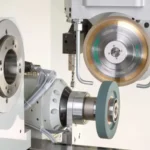
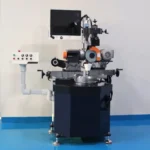
Revolutionary CNC Grinding Wheel Dresser
Transform your grinding operations with precision wheel dressing technology that delivers unmatched accuracy, reduces downtime, and maximizes productivity.


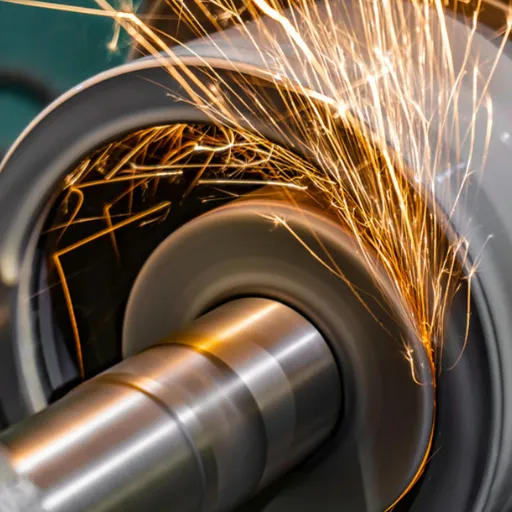
Efficiently and accurately sharpening tools can turn out to be a difficult task, mainly because of the fact that the quality of the results has a direct impact on the performance and the durability of the tools. The Conical Diamond Wheel Fine has become a significant tool for both professionals and hobbyists who insist on accuracy in sharpening. This review is a deep investigation of the innovative sharpening tool’s powers along with the examination of its unique design, essential features, and the advantages it provides for getting razor-sharp edges. It doesn’t matter whether you are a craftsman, a DIY enthusiast, or simply a person who is trying to increase the lifespan of his/her cutting tools, this in-depth guide will offer you the necessary insights to find out if the Conical Diamond Wheel Fine is a fitting addition to your toolbox or not.

What exactly is a Conical Diamond Wheel Fine is? A Conical Diamond Wheel Fine is a unique grinding tool specifically designed for low-angle sharpening and finishing. Its main purpose is to provide cutting tools and workpieces with the sharpest possible edge, almost like a razor. The grinding wheel is applied with wonderful diamond particles and which makes the tool able to last long and work efficiently not only on the hardest materials but also on carbide, ceramics, and hardened steel. The unique shape of the wheel allows the user to be very precise in sharpening and also gives the user a very broad application area for detailed work with delicate edges and corners.
The ability to keep providing the same cutting performance and quality through long periods of use is one of its hallmarks as a Conical Diamond Wheel Fine. The diamond particles which are applied in a very fine form guarantee a nice surface while keeping the removal of the material low thus allowing the original shape of the tool or workpiece. This means that it is the perfect candidate for those operations that require utmost precision and accuracy, like sharpening knives, drill bits, or tiny parts used in different industries.
The Conical Diamond Wheel Fine is not only for professionals, but also an amateur tool that can cover many different applications. Craftsmen and do-it-yourselfers enjoy its accurate and durable character while the machine parts and technology industries have already relied on it for their production and quality demands. This tool can be a bit of a headache, but if you take care of it and use it right, it will give you what you want every time, therefore making it an indispensable tool for workshops and toolboxes.
The main advantage of the conical design is that it can deliver precision and performance at the same time, which is the reason for the increase in performance. The taper shape is the best solution for different processes such as the smooth, gradual decreasing or expanding of the materials, the control of the process, the minimum of errors and the consistent results. The geometry of the conical design is especially powerful in the tasks that require high accuracy like drilling, cutting or shaping materials, which makes it a popular choice of different technical and industrial applications.
Another conical design advantage is the ability to provide uniform distribution of the force and consequently a reduction of the strain. The pressure is concentrated along the tapered surface which is one of the reasons it is so effective in preventing damage to the material and thus tool life is prolonged. The tool life is prolonged, the safety is increased for the operators and the interruption rate is reduced due to this efficiency giving a cycle of continuous operation. The design attracted stress like a magnet making it perfect for the high-demand environment where long-lasting durability is a must.
Finally, the conical shape opens up a whole range of options for the user. Its design is suitable for many applications and can easily handle the varying sizes and angles without having to change the tools frequently. This adaptability is another advantage that gives the user not only time savings but also effort savings, thus enhancing the overall workflow. The conical design is, thus, the core factor in achieving high-quality performance most efficiently and effectively whether it be in professional workshops or home DIY setups.
Precision grinding is an indispensable technique for accurate dimensioning and achieving high-quality surface finishes in multiple sectors. Its main use is in the manufacturing of components that need extremely close tolerances, for instance, gears, shafts, bearings, and parts of precision machines. The technology guarantees that the components not only pass but also surpass the demanding performance and longevity tests.
The other industry where precision grinding earns high recognition is the aerospace and automotive sectors, where the quality and precision of the turbine blades, engine parts, and transmission systems must be top-notch. The high accuracy in shaping and finishing materials like metals, ceramics, and composites makes grinding the process of choice in these sectors.
Moreover, the medical and scientific equipment manufacturing domain is also highly dependent on precision grinding. For instance, surgical instruments, implants, and optical lenses need to have perfect surfaces and exact sizes in order to work properly. The adaptability of precision grinding makes it easier for the manufacturers to accomplish these intricate specifications and do so with consistency and trustworthiness; thus, its importance in the accuracy-critical areas is further increased.

The diamond wheel fine is a product that has undergone intensive engineering to come up with a design that is very precise and thereby offering superior performance in applications where high accuracy and smooth finishes are needed. It comes in a variety of grit sizes so that different operational needs can be met, ranging from coarse grinding to ultra-fine polishing tasks. Grit size has a direct influence on the wheel’s effectiveness for certain applications, with smaller grit sizes giving a finer surface finish and larger ones allowing for faster removal of materials.
The diamond wheel fine is manufactured according to strict standards, thus providing optimal durability and uniform performance throughout its life. The way it is made, incorporating top-quality diamond abrasives, allows for quick material removal at the same time lowering the chance for wear, which translates into a longer lifespan. Such durability is a key factor in achieving a cost-effective high-production environment.
Besides, the selection of the grit size empowers users to customize the wheel for the intended application, e.g., achieving the required surface quality of complex parts or preventing variation across batch production. The adaptability of this tool increases its versatility and assures its reliability in the solution of a wide range of industries like aerospace, medical and electronics manufacturing.
The diamond wheel’s durability and longevity are primarily due to its strong construction and the natural hardness of diamonds, which are among the hardest materials available on Earth. Diamond wheels are developed so that they can take a lot of abrasion and are thus suitable for various processes like cutting, grinding, and shaping of different hard materials such as ceramics, glass, and metals. The long life of the diamond wheels not only guarantees consistent performance but also less frequent replacements thus resulting in cost savings over time.
Moreover, the lifespan of a diamond wheel is largely determined by how well it is used and maintained. Factors such as the speed of operation, the amount of pressure applied, and the cooling methods used play an important role in maintaining the integrity of the wheel. Overheating is prevented by proper cooling during use which otherwise will destroy the bonding material and shorten the tool’s life. The regular inspection and cleaning will also assist in maintaining the performance of the wheel and thus prolonging its lifespan.
Ultimately, the kind and quality of the bonding material used in the diamond wheel manufacturing process has a major say in the wheel’s durability. Resin bonds, metal bonds, and vitrified bonds each have their own advantages depending on the application. Choosing the proper bond type for the particular task guarantees that the wheel will withstand repeated use while still keeping its cutting accuracy. If correctly chosen and maintained a diamond wheel has the potential to be a reliable and durable solution even in the most demanding manufacturing environments.
Diamond grinding wheels and conventional grinding wheels are compared with different lines, such as the first one is the overlooking of material removal efficiency, durability and cost-effectiveness. Diamond grinding wheels which are made of industrial diamonds as the abrasive material, have been hard to beat in cutting the hardest materials like carbide, ceramics and superalloys with the best of luck. The leading of the switch in processing by contrasting these two with aluminum oxide or silicon carbide grinding wheels which may find it hard to grind hard materials or get worn out quickly.
The rate of removing the material with diamond grinding wheels is considerably higher than with traditional grinding wheels. This efficiency is the result of the fact that diamonds, being the hardest substance known, allow the cutting to be done quickly and smoothly. Recent reports from the industry confirm that when grinding with diamond wheels, the rate of removal of material is up to 2-3 times higher than with the traditional aluminum oxide wheels in the same application.
The durability of diamond grinding wheels is one of their main advantages. Researchers have found that the lifespan of diamond grinding wheels can be up to 50 times longer than other conventional wheels, depending on the material and application. Although diamond wheels are expensive, their durability saves the cost of frequent replacements over time, hence they are a cost-effective solution in high-volume manufacturing areas.
Diamonds’ high hardness is still the reason for customers getting better surface finish. Users frequently claim that diamond grinding wheels give them not only less tolerance but also a smoother surface than any other type. This level of precision is particularly important for the aerospace industry, medical equipment manufacturing, and electronics.
Diamond grinding wheels are not perfect for every material despite their superiority over traditional ones in many respects. Grinding of ferrous materials such as iron or steel will result in early wear of the diamond abrasive due to the chemical reaction between carbon and iron when they both reach high temperatures. For ferrous metals, CBN grinding wheels are a better option than diamond grinding wheels.
Despite the one hundred percent performance of diamond grinding wheels in all high-performance scenes, they have the downside of being conventional in less demanding and less costly tasks.

Choosing the perfect diamond grinding wheel for your grinder is mainly a matter of keeping in mind the critical and right factors that will guarantee the performance and cost-effectiveness to be at their best. The following are the most important factors to consider:
The material type that is being processed greatly affects the grinding wheel selection. For example, if the material is non-ferrous, such as ceramics, glass, composites, and carbide, then diamond grinding wheels with their hardness and wear resistance are the ones to go for. Conversely, CBN wheels are used mainly for ferrous metals to overcome the chemical reactions between the carbon in the diamond and the iron.
The bonding material plays a significant part in the wheel’s effectiveness in cutting, its life, and its heat resistance. Diamond grinding wheels are offered with resin, ceramic, and metal bonds. The resin-bonded wheels are most popular because of their good cutting speed and finish. Ceramic bonds endure high precision and high temperature, while metal bonds have applications that are demanding and that require very high wear resistance.
Grit size will affect surface finish and material removal rate. Finer grits, for instance 400 to 1200, produce very fine finishes and are used in delicate operations such as polishing, while coarser grits, for example, 60 to 120, are used for rough grinding and quick material removal. Also, diamond concentration matters, as the higher the concentration, the more wear resistance and vice versa for promoting high-speed grinding at lower costs.
The wheel must be compatible with grinder specifications like speed, diameter, and power. For example, most standard grinders require wheels with maximum rotational speeds that match or exceed the grinder’s capabilities. Incompatible wheels can, for instance, lead to overheating or other operational inefficiencies.
The performance of the diamond wheels for heavy-duty applications improves with added thickness of the diamond layer while offering wear that is easy to overcome and longevity.
It is a fact that diamond wheels offer the best performance; however, their prices are high. Therefore, it is very important to analyze the given application and make sure that you are not spending more than necessary on the selected wheel for the task. In fact, for less demanding applications, cheaper alternatives might be enough.
In a recent study, it was found that hybrid diamond wheels are capable of doing the job of both resin and metal bonds that facilitate superb grinding and simultaneously getting the wear resistance that is also improved. In addition, research has it that using the right diamond wheel along with advanced high-velocity grinding techniques can give a whopping 30% cut in time and costs and also a good increase in cutting efficiency.
Through these factors taken into consideration carefully, you can get a diamond grinding wheel that sure qualifies precise and durable application at the same time it is cost-effective.
The right diamond grinding wheel selection depending on the material, of course, will lead to the best results, which are precision, efficiency, and durability. If working with steel, for instance, a diamond wheel with a resin bond is the one most often selected as it gives the perfect combination of sharpness and lifespan. Resin-bonded wheels are very much facilitate the process of grinding hard metals; thus, they can produce the smoothest of finishes and at the same time prevent surface damage to a great extent.
In the case of materials other than steel, the type of wheel is chosen according to the material’s specific properties. When, for example, grinding ceramics or glass then a vitrified bond diamond wheel is the one that performs the best because of its structural rigidity and ability to handle more brittle materials. Likewise, concrete and stone types of materials need a diamond wheel that has a segmented or turbo rim design that can cut deeper and remove the debris more efficiently.
Matching the diamond wheel’s bond type, grit size, and design to the material’s characteristics is the ultimate key. Compatibility between the wheel and the material will not only enhance the overall performance but also prolong the wheel’s life, and this makes it a cost-effective solution in the long run. Always consider the specific features of the application and if you’re not sure about the best wheel for your needs, then consult reliable guides or experts.
The grit size of a diamond wheel is, of course, fundamental as it plays an essential role in determining the finish and precision of the material that is worked on. A 600 grit wheel is classified as a fine grit that makes it particularly applicable for uses where a smooth surface finish and detailed shaping are needed. This grit size excels in precision work, for instance, sharpening or polishing, where a high level of accuracy and refined results are paramount.
Using a 600-grit diamond wheel is always a good practice because it enables the user to remove only a minimal amount of the material, which is a perfect case for delicate tasks or fine edges. It provides the right balance between material removal and surface finish and is thus the versatile choice for a wide range of applications such as glasswork, ceramics, or tool sharpening. Moreover, a finer grit size like 600 lowers the risk of the formation of scratches or imperfections on the material, thus giving a more polished and aesthetically pleasing end result.
One must always consider the grit size that goes with the intended purpose. While the coarse grit is suitable for heavy-duty cutting or shaping, the fine 600 grit offers precision and quality where smoothness and fine details are required. By selecting the right grit size operators can quickly and easily maximize efficiency and attain the desired outcomes, thus improving both the performance and quality of the material.
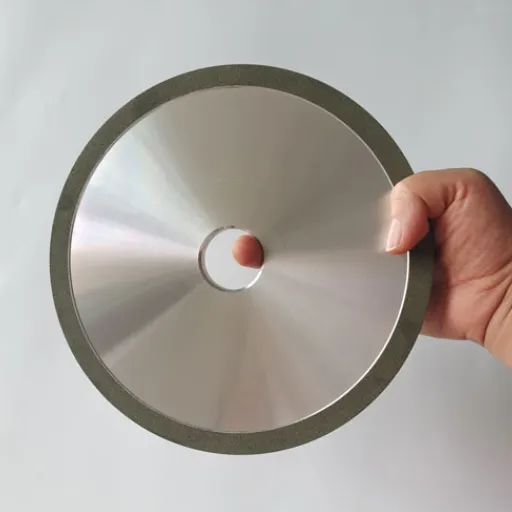
The grinding wheels’ proper maintenance is a must if their effectiveness, safety, and longevity are to be assured. Some of the main practices are listed below which one should religiously follow:
When these best practices are followed, the operators can not only enhance the efficiency and safety of the grinding wheels but also get the highest quality output during the operations. Always check the manufacturer’s guidelines for specific instructions that are most suitable for the tools being used.
Proper handling and storage are the most important factors in minimizing wear and extending the life of grinding wheels. Grinding wheels should always be stored in a clean, dry atmosphere so that no moisture can be absorbed and no damage will be caused to the structure. Do not stack wheels directly on top of each other, as this can cause warping or cracking of the wheels. Use the right tools for handling, and always make sure that grinding wheels are not dropped or subjected to sudden impacts that could damage them.
Routine inspections are a vital factor for the performance and durability of grinding wheels. Before every use, check the wheel for wear, cracks, or other damage. The wheels that are damaged can break into smaller pieces during their operation, which can cause severe injury to the operators. Besides, make sure that the wheel is mounted correctly and securely attached to the machine so that it does not wear irregularly and vibrate whenever used.
Lastly, operational guidelines adherence is a must for grinding wheels lifetime increase. Run the wheel at the manufacturer’s specified maximum speed and at a pressure that does not cause overheating and premature wear, which means that you will have to often dress the wheel to keep its shape and sharpness, allowing for a consistent performance throughout the wheel’s lifespan. The implementation of these practices will ensure the safety and efficiency of the equipment are maximized.
Maximizing grinding precision over time is accompanied by the necessity of proper maintenance of the grinding wheel. The most important wheel maintenance step is the regular dressing, which keeps the grinding wheel in its best state. Dressing is a process that removes all impurities and glazing that might form on the wheel’s surface, thereby making it less effective. In this regard, the wheel always gives the right cutting and, thus, improved surface finishing during operation.
Moreover, keeping an eye on the grinding process and changing parameters like speed, pressure, and the amount of coolant used are all part of the key to maximizing grinding precision. Maintaining the grinding wheel at the speed recommended by its manufacturer maximizes its life while also avoiding the build-up of heat in the area. Using the right liquid for cooling is very helpful in cutting down on the friction and heat damage, both of which are factors that will significantly affect the precision getting less and less over time. Monitoring these parameters continuously aids in the prevention of errors and the extension of the equipment’s life.
Additionally, regular equipment check-ups and the replacement of worn and tear of parts is a ways to keep precision and safety standards. The wheel having cracks, imbalance, or otherwise nearing the end-of-life can result in inaccuracies and jeopardize the safety of the operator. Adopting a schedule for conducting checks helps ensure the early warning of the situation and hence the problem is small. Gradually but consistently, these practices result in high grinding precision and at the same time with the reliability and durability of the equipment are assured over time.

The outstanding improvements in bonding materials have made the performance of the diamond grinding wheel and its versatility much better. The innovations are primarily concerned with the bonding strength enhancement while the precision grinding flexibility is kept. The hybrid bonding systems have made it possible for the users to effectively remove the material with high-speed disposal and they will not need to replace the tool for a long time even in pressurized conditions.
Moreover, another major development is the high-performance polymers and ceramic-based bonds, which would firstly, they wouldfirstly increase the thermal resistance and secondly reduce the wear. The durability of the diamond wheels is the same even at high temperatures which is the reason for the stable performance in hard applications. This development is extremely useful in the aerospace and medical manufacturing industries where precision and reliability are the top priorities.
Besides that, the advancements in nanotechnology have played a significant role in providing high-tech and consistent bond matrices. The process of manufacturing by taking in nanoparticles in the bonding materials allows the manufacturers to get better grain holding capabilities, increase the cutting performance, and also allow fewer chances of cracking or chipping during use. In conjunction, these breakthroughs make it possible for modern diamond wheels be up to the standards required by today’s industrial applications.
In recent years, precision engineering has made significant strides most of which are dictated by the demand for more accurate, more efficient, and cheaper to produce products. The major step forward in this field is the employment of computer numerical control (CNC) systems that permit very accurate and repeatable machining processes. The CNC technology allows precise manufacturing of components as required, thus lowering errors and hence reducing the amount of waste material produced. This technology is super important in such areas as space travel, car making, and medicine because even very small inaccuracies can cause bad performance or pose safety threats.
An additional area with major improvements is the specialized application of superior materials in the tools and parts of the machine. The use of carbon fiber composites and high-strength alloys has been very influential in the longevity and effectiveness of precision machines. Not only do these materials prolong the lifespan of the machines but they also prove to be of great help in fast production and quality output, thus, making the manufacturers able to comply with the strict deadlines and high production standards. Furthermore, the invention of additive manufacturing, also called 3D printing, has turned the prototype and complex parts making process upside down, and it has led to time be cut down by a large margin.
Lastly, the coexistence of automation and artificial intelligence (AI) with precision engineering is nothing short of revolutionizing the industry. Automation works by getting rid of human errors and also increasing production as the machines can keep on working with little to no supervision. Whereas the AI comes in the form of predictive maintenance, process optimization, and real-time monitoring. When combined, the two technologies result in the running of operations, better decision-making, and continuous production of the same quality. The benefits that come along with these changes are not only a solution to today’s problems in manufacturing but also a way to come up with even more radical in the future of precision engineering.
Sustainable practices in diamond wheel production emphasize the necessity of decreasing environmental impact without compromising on the quality and efficiency of the end product. A major strategy is the proper acquisition of raw materials. The diamond manufacturers by using certified and ethically sourced diamonds, not only contribute to the considerable reduction of the ecological footprint linked to the diamond mining process but also are more likely to follow the fair labor standards. Thus, the diamond wheel production practices can be called the supporting pillars of both environmental and social sustainability.
Another main point in this respect relates to the cutting of waste in production. The use of high-tech, particularly precision cutting and recycling of materials, greatly reduces the volume of the cut materials. The giant steps of the companies towards becoming waste-free have been the disposal of industrial waste through the rerouting of remnants and the recycling of old wheels. After all, these strategies have the potential of being financially beneficial as they can take off the cost of waste disposal from the company’s budget and, hence, coincide with the environmental targets set.
Environmental impact through energy efficiency is another significant point of focus. Switching to energy-saving machines and analyzing production procedures can lead to a remarkable reduction of the energy demand during the manufacturing stage. Besides, a few manufacturers are going the extra mile by converting the whole of their energy to renewable sources, predominantly wind or solar, for their production. Such a change not only wards off the emission of greenhouse gases but also symbolizes the fight against climate change. The combination of these practices is turning diamond wheel production into a more sustainable and ecologically responsible industry.
A: Cones, Diamond Wheels Fine are precision grinding tools suitable for sharpening all sorts of blades. They will make your blade very smooth, so that you’ll never get any extra fine finish. As the diamond is ideal, the conical wheel can be employed by Tormek sharpeners to increase the sharpening performance.
A: The Conical Diamond Wheel Fine is far more durable than other grindstones and adds extra sharpness. Such grinders are designed to sharpen the aggressiveness required for an extra-fine finish. Hence, they will be mostly suitable for damaged blades and related to some not new.
A: A Conical Diamond Wheel Fine will normally come with a 600-grit size, which is quite sufficient for concise grinding. It does an aggressive sharpening to be combined with fine finishing for greater efficiency, whether for repair or new blades, especially the kitchen ones.
A: The Conical Diamond Wheel Fine is designed to be fashioned for all-purpose use, such as kitchen knives for unsharpened and way past dullness. It sharpens high-carbon and stainless steel blades to their original soundness without any damage.
A: The PW-160 Conical Composite Honing Wheel is a feature that adds actual extra equipment to produce a polished edge (not the same as low finality) in kitchen knives. This sett-pad stones will sharpen the razor cutting edge as a fine last touch while comprising the Grinding Wide Diamond Wheel.
A: To maintain the good performance of your diamond wheel fine, from time to time, try to clean the wheel from any metal residue or dust right after use. Keeping it in a dry environment is also helpful for the optimum life of the tool. Buy a 600-grade grinding wheel if you believe that it is used up.
A: Yes, Conical Diamond Wheel Fine, as an instrument for the high-end machines, can cater to a mechanically aggressive kind of cutting. It is very sharp for the destroyed or flat blades. And even though on a less worn edge, it can use the finer end finish, making it a versatile sharpening tool.
Tormek – Conical Diamond Wheel Fine – Details about the DF-150 diamond wheel, its durability, and usage.
eBay – Brand New Grinding Wheel Conical Diamond – Listings for high-end conical diamond grinding wheels with user reviews.
Mister Worker – PFERD Tools Diamond Grinding Point Conical Pointed Fine – Electroplated diamond grinding points for wet and dry grinding, suitable for deburring and chamfering.